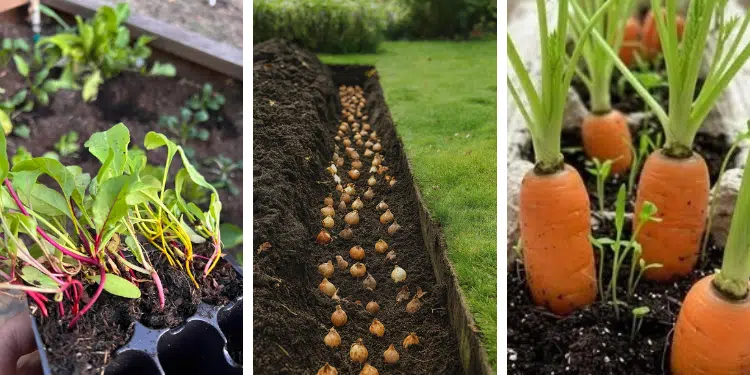
December may feel like the end of the gardening season, but for many growers across the United States, it’s actually the beginning of a new wave of planting.
While frost, snow, and short daylight hours might make winter gardening seem impossible, plenty of hardy vegetables thrive in cold soil – and some even taste sweeter after a frost.
With the right planning and zone-specific timing, December can be one of the most productive months for cool-season crops.
Why Planting in December Works
Winter vegetables grow differently than warm-season crops. They don’t rely heavily on long days or warm soil; instead, they tolerate (and often prefer) colder temperatures.
Many root crops, leafy greens, and hardy biennials germinate in cool soil and survive freezes with little to no protection.
Benefits of planting vegetables in December include:
- extending the growing season in mild climates
- harvesting fresh greens during winter
- overwintering crops for stronger spring growth
- allowing root crops to develop slowly and become sweeter
- reducing pest pressure
- maximizing unused winter garden space
The key is matching crops to your USDA Growing Zone, because winter conditions vary dramatically across the country.
Below are the seven vegetables you can plant in December – and which zones they thrive in.
1. Garlic
Best for Zones 3–10
Garlic is one of the most reliable crops to plant in December. In fact, many growers say the later you plant garlic – as long as the ground isn’t frozen – the better the bulbs form in spring.
In colder zones (3–6), garlic cloves can still be planted through early winter if the soil is workable. In warmer zones (7–10), December is one of the prime times for planting hardneck and softneck varieties.
Why Garlic Thrives in December
Garlic needs a period of cold stratification. When cloves experience winter chill, they divide and produce large, healthy bulbs by late spring or early summer.
The slow growth of winter also helps garlic develop deep roots and strong shoots.
How to Plant
- Separate cloves but keep their papery skins intact.
- Plant 2 inches deep in cold zones, 1 inch deep in warm zones.
- Cover mulches with straw or leaves for insulation.
- Water lightly – garlic hates sitting in soggy soil.
Garlic planted in December will sprout roots underground, sleep through winter, and burst into strong growth as soon as temperatures warm.
2. Spinach
Best for Zones 6–10
Spinach is one of the most cold-tolerant leafy greens in existence. It germinates in cool soil and can survive temperatures as low as 10°F with minimal protection.
In Zones 6–7, spinach can overwinter under row covers or frost cloth. In Zones 8–10, spinach grows actively through winter and can be harvested continuously.
Why Spinach Works in December
Short days trigger spinach to focus energy on root development. This creates stronger plants that explode with growth in early spring.
Winter-grown spinach also tastes sweeter because cold temperatures increase sugar concentration in the leaves.
How to Plant
- Sow seeds directly in garden soil.
- Space seeds 1 inch apart and thin to 4 inches.
- Use row covers for protection in colder zones.
Expect slow growth in December and January, followed by rapid leaf production in February and March.
3. Carrots
Best for Zones 7–10 (with protection in Zone 6)
Carrots can germinate in surprisingly cool soil and grow slowly during winter, developing a sweetness that warm-season carrots can’t match. Winter carrots are known for their intensely sweet, crisp flavor.
Why Carrots Can Be Planted in Winter
Carrots become sweeter as the temperature drops. When exposed to cold, they convert starches into sugars to protect themselves from freezing – which results in better flavor for the gardener.
How to Plant
- Sow seeds shallowly – just ¼ inch deep.
- Keep soil moist until germination.
- Protect with mulch or a low tunnel in Zones 6–7.
In Zones 8–10, carrots planted in December will be ready by early spring.
4. Kale
Best for Zones 5–10
Kale is nearly bulletproof in winter. Some varieties can survive temperatures below 0°F, making it an ideal December planting for most regions.
In Zones 5–7, kale may pause growth during the coldest weeks but will resume vigorously in early spring. In Zones 8–10, kale can be harvested continuously through winter.
Why Kale Thrives in Cold Weather
Frost improves kale’s flavor dramatically. Cold temperatures convert bitter compounds into sugars, giving winter kale a sweeter, mellow taste.
How to Plant
- Direct sow or transplant seedlings.
- Space plants 12–18 inches apart.
- Use light row cover for protection in harsh zones.
Kale planted in December will provide tender baby greens within weeks in mild climates and hearty leaves during early spring in cold climates.
5. Onions (Sets and Seeds)
Best for Zones 7–10 (short-day varieties)
December is a perfect time for planting onions in the southern half of the U.S. Short-day onions need increasing daylight to form bulbs, making winter sowing ideal for Zones 7–10.
In colder zones, onions should be planted in early fall or mid-spring, but winter planting works beautifully in milder climates.
Why Onions Grow Well Over Winter
Winter allows onions to develop strong root systems before bulb formation begins. By late winter, they start sending up shoots, and by spring the bulbs grow rapidly.
How to Plant
- Plant onion sets 1 inch deep.
- Sow seeds in well-drained soil under protection.
- Water sparingly – onions dislike sitting in wet conditions.
Expect harvests from late spring through early summer.
6. Radishes
Best for Zones 6–10
Radishes are one of the fastest vegetables to grow, and December is an excellent month for planting them in mild or moderate winter regions.
In Zone 6, you can grow radishes under a small cold frame or low tunnel.
Why Radishes Grow Well in December
Radishes germinate quickly in cool soil and grow best when temperatures stay between 35–60°F. Winter radishes develop strong flavor without becoming spicy or woody.
How to Plant
- Sow seeds ½ inch deep.
- Thin seedlings to 2 inches apart.
- Harvest in as little as 25–40 days.
Daikon and other winter radishes also grow beautifully when planted in December in Zones 7–10.
7. Peas (Snow Peas and Snap Peas)
Best for Zones 7–10
Peas are surprisingly cold-hardy and benefit from early planting. December soil in warm climates provides the perfect chill that peas need to germinate and establish strong vines.
Peas planted in December will climb rapidly as soon as longer daylight hours return in late winter.
Why Peas Love December Planting
Cool-season planting prevents peas from maturing during hot weather, which can make pods tough and bitter. By planting in December, you guarantee a sweet and abundant spring harvest.
How to Plant
- Direct sow seeds 1 inch deep.
- Support with a trellis or fence.
- Water lightly until sprouting.
In Zones 7–8, use straw mulch or row covers during extreme cold spells.
December Planting Guide by USDA Zone
Below is a quick zone-based summary of what you can plant:
Zones 3–5 (Cold Winter Regions)
Plant with heavy protection (cold frames, tunnels, mulch):
- Garlic
- Kale
- Spinach
These crops overwinter and explode with growth in early spring.
Zones 6–7 (Cool to Mild Winters)
Plant with light protection:
- Garlic
- Kale
- Spinach
- Radishes
- Carrots (with mulch)
Great region for overwintering greens and roots.
Zones 8–10 (Mild Winters / Southern U.S.)
Plant freely outdoors:
- Garlic
- Spinach
- Carrots
- Kale
- Radishes
- Onion sets or seeds
- Peas
December is an active planting month in warm zones, making winter gardens incredibly productive.
How to Protect December Crops from Cold
Even winter-hardy vegetables benefit from a little protection:
- Mulch with straw, leaves, or pine needles to insulate roots.
- Row covers increase temperature by 2–5°F and protect from frost.
- Cold frames or mini greenhouses help seeds germinate faster.
- Water before a freeze — hydrated soil stays warmer.
Winter gardening is easier than most people think, and with even minimal protection, December crops thrive.
Planting vegetables in December isn’t just possible – it’s one of the smartest ways to keep your garden productive year-round.