Orchids are famous for their elegance, but anyone who grows them knows their blooms don’t happen by accident.
If you want fuller, stronger, and earlier flowers in spring, what you do in November matters more than most gardeners realize.
While most plants sleep through the cold months, orchids are quietly preparing for next season’s bloom cycle.
This is the time when they form spikes, store nutrients, recover from summer stress, and respond to changes in temperature and light. If you ignore them now, they may not bloom at all – or bloom weakly and late.
But with the right steps, you can push them to develop strong buds and produce spectacular early spring flowers.
Whether you grow Phalaenopsis, Dendrobium, Cattleya, Oncidium, Cymbidium, or Miltoniopsis, the basic November strategies remain the same.
Here are the 7 most important things to do with your orchids this month to ensure they bloom earlier, longer, and healthier in spring.
1. Shift Their Light Exposure for Bloom Triggering
Orchids need light – but more importantly, they need the right kind of light at the right time. Many orchids form their spikes during late fall and early winter when the days are shorter.
If they receive too little light now, they will not produce spikes or will delay blooming by months.
What to Do:
- Move them to a slightly brighter location (indirect light only).
- South or east-facing windows are ideal in winter.
- If using grow lights, reduce the hours to mimic shorter days (10–12 hours is perfect).
- Avoid harsh, direct midday sunlight – winter sun is weak but still capable of burning leaves indoors.
Bright, indirect light in November encourages the plant to recognize the seasonal shift and initiate spike formation – a critical first step for spring flowers.
2. Create a Gentle Drop in Temperature at Night
Many orchids need cooler nighttime temperatures to trigger spikes. This is especially true for Phalaenopsis and Cymbidium.
In the wild, orchids experience a natural drop in temperature during fall – and this signals that it’s time to prepare for blooming.
What Works:
- Night temperature should be around 55–65°F (13–18°C).
- Day temperature can stay between 65–75°F (18–24°C).
- Avoid extreme cold, drafts, or temperatures below 10°C.
This difference between day and night temperatures is called thermal shock, and it encourages the orchid to form flower spikes earlier and more reliably. If your orchid never blooms, this is often the missing factor.
3. Adjust Watering for the Dormancy Phase
In November, orchids are transitioning out of their active growing period. Overwatering now can cause root rot, fungus, and delayed blooming. But letting them dry out completely for long periods can also stress the plant.
Best Practice:
- Water less frequently but consistently.
- Always allow the top layer of the medium to dry between waterings.
- Mist roots lightly but avoid constant wetness.
- Never leave the pot sitting in standing water.
Light watering supports spike development without encouraging wild leaf and root growth, which can delay blooming.
Keep in mind: Cool + wet = deadly for orchids in winter.
4. Feed Them Lightly with a Bloom Formula
Too many orchid owners stop fertilizing completely in winter, but orchids still require nutrients in November – just in smaller amounts and with the right formula.
This is the time to switch from nitrogen-heavy growth fertilizers to formulas that encourage spike and flower development.
Choose:
- A phosphorus and potassium-rich fertilizer (like 10-30-20) OR
- A balanced orchid feed diluted to ¼ strength
- Fertilize only once every 2–3 weeks
Phosphorus supports flower spike development while potassium strengthens the plant’s overall immune system, making it more resilient through winter.
A common mistake beginners make is feeding too much nitrogen, which results in lush leaves instead of blooms.
5. Keep Humidity Stable – Even in Heated Homes
Indoor heating systems dry out the air dramatically in November and December. Orchids are tropical plants, and dry air leads to bud blast, wrinkled pseudobulbs, and slow flowering.
Healthy orchids need 40–60% humidity. Anything lower, and they struggle.
Quick Fixes:
- Use a humidity tray with pebbles and water.
- Place orchids together to create a microclimate.
- Use a small humidifier if your home is very dry.
- Avoid misting late in the day (risk of fungus).
Maintaining humidity ensures the plant can form buds properly and prevents delicate new spikes from drying out and aborting.
6. Inspect and Refresh the Potting Medium – But Don’t Repot Yet
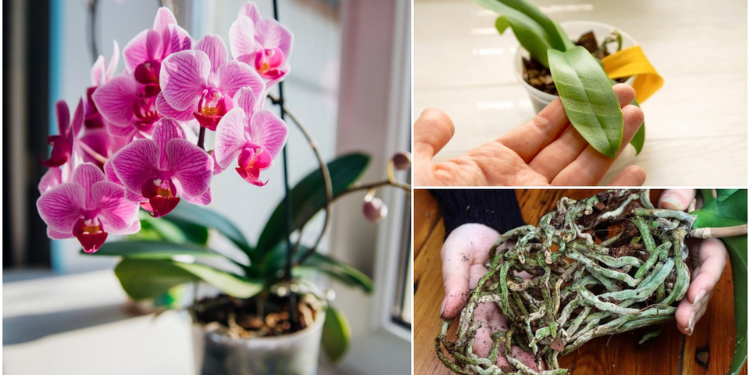
November is not the best time to repot orchids unless the medium is rotting or the plant is in crisis. Repotting too close to blooming season may delay flowers, but this is the perfect window to check:
- Whether the medium is breaking down
- If roots are healthy and green
- If pests or mold are present
- Whether the plant is still stable in its pot
If the medium is decomposing badly, you may need to do a gentle emergency repot. Otherwise, wait until after flowering (typically spring or early summer) for major root work.
What you can safely do now:
- Remove dead roots sticking out of the top
- Clean up dead sheaths or yellow leaves
- Trim dry spikes (if no signs of regrowth)
- Add a thin layer of fresh bark or moss on top if the old mix is sinking
Healthy roots in November = healthy blooms in spring.
7. Monitor Spike Development Like a Hawk
The most exciting part of November orchid care is waiting for the first sign of a spike. These can look like tiny horns, green nubs, or pointed tips emerging from between leaves.
Once spikes appear, your care routine becomes even more important.
Important things to do:
- Do not rotate the plant once the spike appears (it will twist toward the light)
- Support spikes with a stake once they reach 3–4 inches
- Do not cut the spike unless it’s fully dead
- Avoid sudden temperature or light changes while the spike grows
Spikes grow slowly in winter – sometimes only a few millimeters per week – but they are the heart of the future blooms. Patience now means a better reward later.
Orchid Types and November Care Differences
Phalaenopsis
- Cooler nights needed to trigger spikes
- Often blooms late winter to early spring
- Most common type for home growers
Cymbidium
- Requires pronounced temperature drop
- Blooms in early spring normally
- Demands very bright light in winter
Dendrobium
- Some types need a dry rest in winter
- Do not fertilize heavily until new shoots appear
Cattleya
- Likes extra light in winter
- May produce sheaths before bloomed buds
Oncidium
- Needs humidity and airflow
- Requires regular watering even in winter
While each orchid is different, the November focus remains the same: light, temperature, reduced water, proper feeding, and observation.
Mistakes That Prevent Early Spring Blooms
- Keeping orchids in constantly warm rooms with no nighttime temperature drop
- Overwatering during the cool months
- Heavy feeding with nitrogen-rich fertilizer
- Low light conditions and dark corners
- Extremely dry winter air
- Moving or rotating plants after spikes begin to develop
- Repotting during spike formation
- Cutting spikes prematurely
- Not recognizing the dormancy needs of certain species
Orchids bloom when they receive the signal that winter is ending. If you do not properly simulate the seasonal cues, blooms may not develop at all.
Signs Your Orchid Is Preparing to Bloom
- Tiny horn-like spike emerging from crown or cane
- Root tips turn green and start growing
- Leaves become firmer instead of floppy
- New sheaths form at the top of pseudobulbs
- Light silvery lines or swelling at spike nodes
If you see these signs in November or December, you are on the right track – keep your conditions steady and avoid making big changes.
The Reward: A Flower Show in Spring
When orchids receive the right November care, they often bloom earlier than expected – sometimes as early as late January or February.
Instead of waiting until late spring or summer for flowers, you can enjoy elegant fragrant blooms while winter is still outside your window.
Early blooms also last longer because cold air naturally slows aging and flower drop.
The sooner they spike, the sooner you get blooms – and the longer they will stay in bloom.
Orchids are slow growers, but they are predictable – if you give them the cues they need. November is the month where the real work happens behind the scenes.