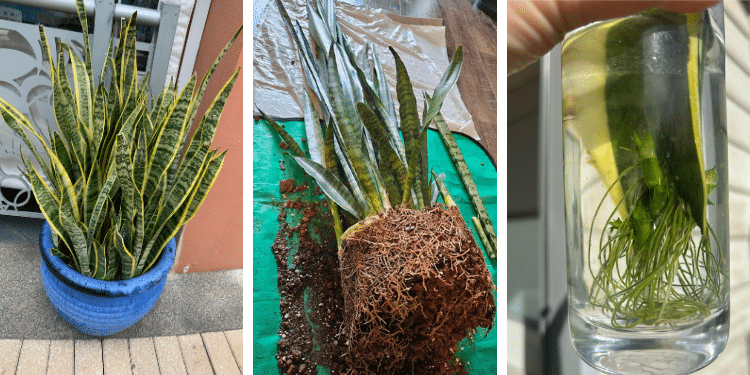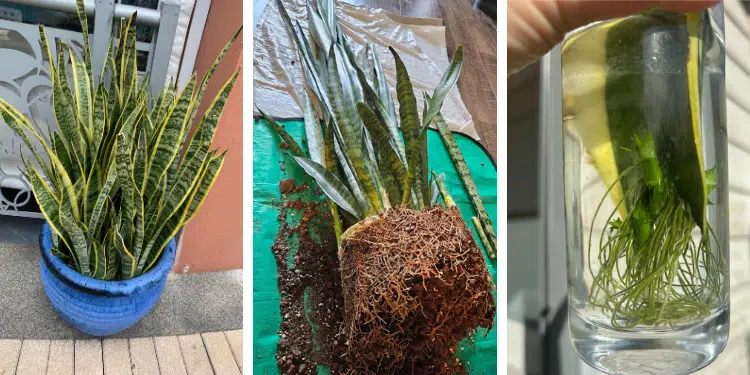
March is a turning point for houseplants. After months of slower winter growth, increasing daylight signals plants to wake up. Even tough, low-maintenance species like the snake plant respond to seasonal change.
If you want fuller growth, upright leaves, and a healthier root system this year, March is the month to reset your care routine.
Commonly known as snake plant and botanically classified as Dracaena trifasciata (formerly Sansevieria trifasciata), this plant is famous for tolerating neglect.
But “tolerant” doesn’t mean it can’t benefit from strategic seasonal care.
1. Evaluate the Root System and Pot Size
Snake plants grow from thick, horizontal rhizomes beneath the soil. These rhizomes slowly expand outward and produce new shoots (often called pups).
Over winter, growth slows dramatically. By March, roots begin preparing for active expansion again. This makes it the ideal time to check whether your plant has outgrown its container.
Carefully remove the plant from its pot and examine:
- Are rhizomes pressing tightly against the container walls?
- Is soil compacted and no longer draining quickly?
- Are roots healthy (firm and pale) or soft and dark (rot)?
Snake plants prefer slightly snug pots. However, if roots are severely compressed or pushing upward, repotting into a container 2–4 cm (1 inch) wider is beneficial.
Avoid oversized pots. Excess soil holds excess moisture – and root rot is the primary cause of snake plant failure.
2. Replace or Improve the Soil Mix
March is ideal for soil improvement because roots are about to become active.
Snake plants require:
- Excellent drainage
- Moderate aeration
- Low water retention
Standard potting soil often retains too much moisture. For best results, use a mix that contains:
- Cactus or succulent base
- Perlite or pumice
- Coarse sand
A gritty, fast-draining mix mimics the plant’s native environment in West Africa, where soil drains quickly after rainfall.
If you’re not repotting, remove the top 2–3 cm (1 inch) of old soil and replace with fresh mix. This refreshes nutrients and improves surface aeration.
3. Reset Your Watering Strategy
Winter watering habits should not automatically carry into spring.
As light increases in March, photosynthesis accelerates. The plant uses slightly more water — but overwatering remains dangerous.
Before watering:
- Insert your finger several centimeters into the soil.
- If the soil is still damp, wait.
When watering, saturate thoroughly and allow all excess to drain out.
Never let the plant sit in a saucer of water. Snake plant roots suffocate in stagnant moisture.
In most indoor environments, watering every 2–3 weeks in March is sufficient. Adjust based on temperature and light.
4. Increase Light Gradually
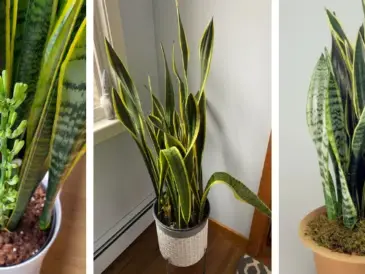
Snake plants tolerate low light, but they thrive in bright, indirect light.
March sunlight becomes stronger and longer in duration. This is your opportunity to gradually reposition your plant.
If it has been in a dim corner all winter, move it closer to:
- An east-facing window
- A bright north-facing window
- Filtered south-facing light
Avoid sudden exposure to harsh midday sun, especially if the plant has adapted to low light.
Brighter light encourages:
- Firmer leaf structure
- Faster new growth
- Richer variegation in striped varieties
If leaves appear thin or floppy, insufficient light is often the cause.
5. Clean Leaves and Inspect for Winter Stress
Over winter, dust accumulates on leaves, reducing photosynthetic efficiency.
Use a soft, damp cloth to wipe both sides of each leaf. This simple step improves light absorption and helps you identify problems early.
While cleaning, check for:
- Soft or mushy spots (overwatering damage)
- Brown tips (inconsistent watering or mineral buildup)
- Wrinkling (underwatering)
- Tiny webbing (possible spider mites)
Although snake plants resist pests well, indoor conditions can occasionally attract mealybugs or mites.
Address issues early before active spring growth accelerates them.
6. Divide and Propagate If Overcrowded
March is the safest time to divide a crowded snake plant.
When rhizomes produce multiple clusters, you can separate them.
Gently remove the plant and identify natural division points. Use a clean, sharp knife to separate sections, ensuring each piece has roots and at least one healthy leaf cluster.
After repotting divisions:
- Wait 3–5 days before watering heavily
- Keep in bright, indirect light
- Avoid fertilizer for several weeks
Dividing rejuvenates older plants and prevents overcrowding, which can restrict root airflow.
7. Begin Light Fertilization – Carefully
Snake plants are not heavy feeders. Overfertilizing can cause salt buildup and leaf damage.
In March, once you see signs of new growth, you may apply:
- A diluted balanced liquid fertilizer (half strength)
- Once in early spring
Avoid high-nitrogen formulas. Excess nitrogen encourages weak, floppy leaves.
Feeding once in March and once again in late spring is usually sufficient.
Understanding Seasonal Growth Patterns
Snake plants are slow growers. Most noticeable growth occurs during warmer months with longer daylight.
In March, you may begin to see:
- Small new leaves emerging from the soil
- Slight increase in leaf firmness
- Subtle brightening of color
Growth will accelerate gradually through April and May.
Temperature and Environment in Early Spring
Snake plants prefer temperatures between 18–29°C (65–85°F).
In March:
- Avoid cold drafts from open windows
- Keep away from heating vents
- Maintain moderate airflow
They tolerate average indoor humidity and do not require misting.
Why March Is a Critical Reset Month
Spring care sets the tone for the entire year.
If you:
- Improve drainage
- Correct light exposure
- Adjust watering
- Divide overcrowded plants
- Feed lightly
You reduce the risk of summer stress and root rot.
Small adjustments in March prevent larger problems later.
Common Mistakes to Avoid in Early Spring
One of the biggest errors is assuming growth has already resumed fully and increasing water too aggressively.
Another mistake is repotting into oversized containers “to give room to grow.” Snake plants prefer controlled root environments.
Also avoid heavy compost or moisture-retaining amendments.
The most common cause of snake plant decline remains excess moisture.
Encouraging Upright, Compact Leaves
If leaves lean or stretch:
- Increase brightness
- Rotate the pot weekly
- Ensure soil drains properly
Light directly influences leaf structure.
Snake plants are resilient, but seasonal awareness improves performance dramatically. March is the month to inspect, refresh, correct, and prepare for growth.