The spider plant is one of the most beloved houseplants in the world. Known for its graceful arching leaves and its ability to produce dozens of baby plants, it’s often considered one of the easiest indoor plants to grow.
This popular houseplant belongs to the species Chlorophytum comosum, a resilient perennial native to southern Africa.
Its tolerance for a wide range of indoor conditions makes it ideal for beginners, but even hardy plants benefit from seasonal care.
March marks the transition from winter dormancy to active growth for most houseplants. Longer daylight hours, warmer temperatures, and increased plant metabolism mean that spider plants begin producing new leaves and baby plantlets again.
However, many plant owners forget to adjust their care routine during this important time.
If a spider plant receives the right attention in March, it often rewards you with faster growth, healthier leaves, and more baby plants throughout spring and summer.
Below are seven important things most people forget to do for their spider plant in March.
1. Refresh the Soil Before the Growing Season
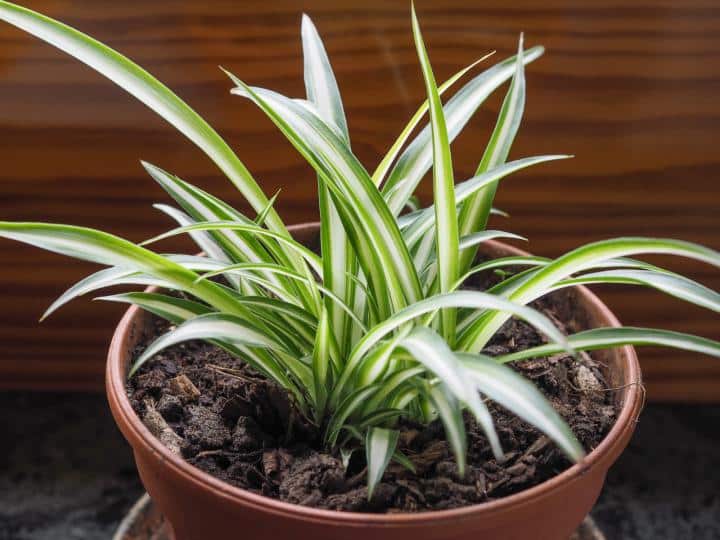
One of the most overlooked spring tasks for spider plants is refreshing their soil.
Over time, potting soil becomes compacted and depleted of nutrients. Minerals from tap water and fertilizer can also build up in the soil, creating a salty environment that spider plants dislike.
March is the ideal time to refresh the soil because the plant is about to enter its most active growth phase.
Even if the plant does not need a full repot, gently removing the top inch of soil and replacing it with fresh potting mix can make a big difference.
Spider plants prefer a light, well-draining soil mix that allows oxygen to reach the roots. A mix designed for houseplants works well, especially if it contains perlite or coconut coir.
Refreshing the soil improves root health and gives the plant access to fresh nutrients just when it needs them most.
2. Check for Root Crowding
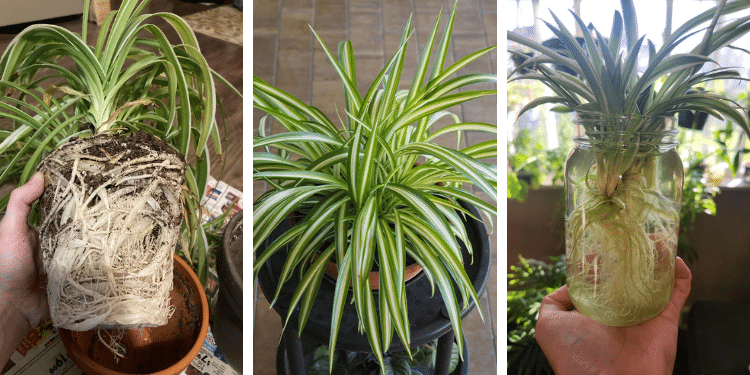
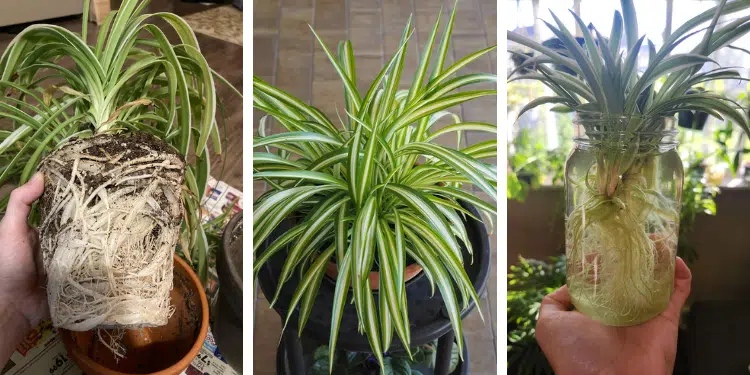
Spider plants grow surprisingly fast, and their roots can quickly fill a container.
Many people do not realize that spider plants actually prefer being slightly root-bound, but there is a limit. When roots begin circling tightly around the inside of the pot, the plant may struggle to absorb water and nutrients efficiently.
March is the perfect time to check the root system.
Gently slide the plant out of its pot and examine the roots. If the roots form a dense mass or emerge from drainage holes, it may be time to move the plant into a slightly larger container.
Choose a pot only 2–3 centimeters wider than the current one. Oversized pots can lead to excess moisture retention, which may cause root rot.
Repotting early in the growing season allows the plant to recover quickly and establish new roots.
3. Increase Light Exposure
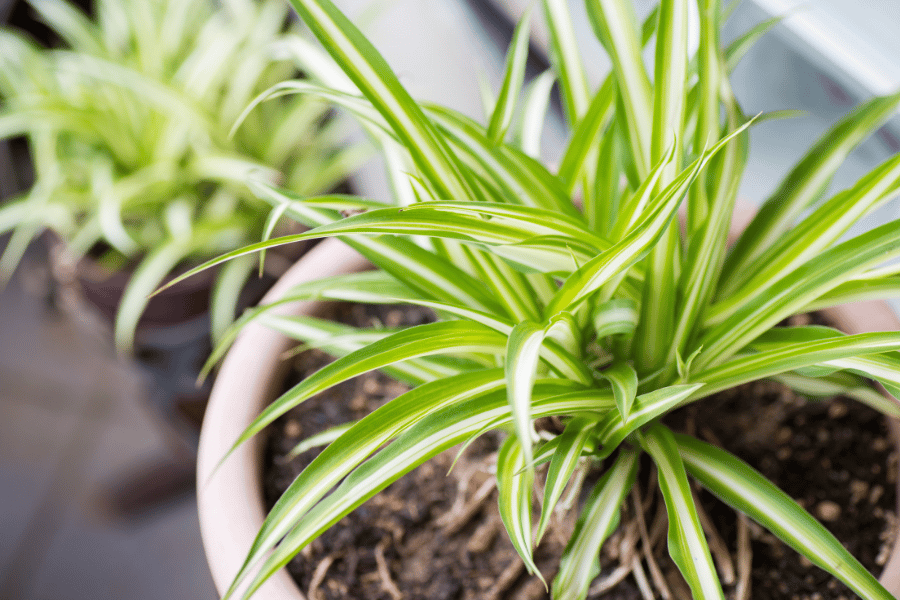
During winter, spider plants often receive less light due to shorter days and weaker sunlight.
By March, daylight hours begin increasing significantly. However, many plant owners forget to adjust their plant’s placement.
Spider plants grow best in bright, indirect light. This level of lighting encourages fuller foliage and stronger growth.
If a spider plant has been sitting far from a window during winter, moving it closer to a bright window in March can stimulate new leaf production.
Avoid placing the plant in harsh direct sunlight, especially through south-facing windows, as this can scorch the leaves.
Instead, aim for bright filtered light or morning sunlight.
4. Resume Regular Fertilizing
Another common mistake is forgetting to restart fertilization in early spring.
During winter, most houseplants grow slowly and require little to no fertilizer. But as temperatures rise and daylight increases, spider plants begin using more nutrients.
March is the ideal time to resume feeding.
A balanced liquid houseplant fertilizer diluted to half strength works well. Feeding the plant every 3–4 weeks during spring and summer supports healthy growth.
Spider plants are not heavy feeders, so over-fertilizing should be avoided. Too much fertilizer can cause brown leaf tips and salt buildup in the soil.
A light feeding schedule is usually enough to keep the plant thriving.
5. Flush the Soil to Remove Mineral Buildup
Spider plants are sensitive to mineral buildup from tap water.
Over the winter months, salts from fertilizer and minerals in water can accumulate in the soil. This often leads to the brown leaf tips that spider plants are famous for.
Flushing the soil in March helps reset the growing environment.
To do this, water the plant thoroughly until water flows freely through the drainage holes. Continue watering for a few minutes to wash away accumulated salts.
This simple step helps prevent leaf tip burn and improves nutrient uptake.
Using filtered or rainwater afterward can further reduce mineral buildup.
6. Prune Damaged Leaves and Old Runners
After winter, spider plants often have a few damaged or dry leaves.
March is a good time to prune away these leaves so the plant can focus its energy on new growth.
Use clean scissors or pruning shears to remove brown or yellow leaves at the base.
If your plant produced long runners with baby spider plants (also called plantlets) during the previous year, you may also choose to trim or propagate them.
Removing older runners can redirect energy toward producing fresh foliage.
Pruning also improves airflow around the plant, reducing the risk of pests and fungal problems.
7. Start Propagating the Baby Plants
Spider plants are famous for producing baby plants that hang from long stems.
These plantlets can be easily propagated, making spider plants one of the easiest houseplants to multiply.
March is an excellent time to start propagation because warmer temperatures encourage faster root development.
There are two simple ways to propagate spider plant babies.
One method is placing the baby plant directly into a small pot of soil while it is still attached to the mother plant.
Another method involves cutting the baby plant and placing it in water until roots develop.
Within a few weeks, the baby plant typically produces new roots and can be grown as an independent plant.
Propagation allows you to expand your indoor garden or share plants with friends.
Why March Is So Important for Spider Plant Care
March represents the turning point between winter dormancy and spring growth.
As daylight increases and temperatures rise, houseplants begin to wake up from their slow winter phase.
Spider plants respond quickly to these environmental changes. With proper care, they can begin producing new leaves and runners within a few weeks.
Performing maintenance tasks in March ensures the plant has everything it needs to thrive during the coming growing season.
Ideal Growing Conditions for Spider Plants
Understanding the natural preferences of spider plants helps explain why these spring tasks matter.
Spider plants prefer temperatures between 18–24°C (65–75°F). They tolerate cooler conditions but grow best in moderate warmth.
Humidity levels in most homes are sufficient, although the plant appreciates slightly higher humidity.
They prefer evenly moist soil but dislike waterlogged conditions.
Allow the top layer of soil to dry slightly between waterings to prevent root rot.
Common Spider Plant Problems to Watch for in Spring
Early spring is also a good time to check your plant for potential issues.
Brown leaf tips are one of the most common problems. These are usually caused by mineral buildup, fluoride in tap water, or inconsistent watering.
Another issue to watch for is pests such as spider mites or aphids. These pests sometimes appear when indoor heating creates dry air during winter.
Inspect the underside of leaves and gently wipe them with a damp cloth if needed.
Catching problems early prevents them from spreading.
Encouraging Spider Plants to Produce More Babies
Many plant lovers enjoy spider plants specifically because of their baby plants.
If you want your spider plant to produce more runners, several conditions help encourage this.
Bright indirect light is one of the most important factors.
Slightly root-bound plants also tend to produce more plantlets.
Regular feeding during spring and summer supports strong growth and flower development, which leads to baby plants.
With proper care, mature spider plants can produce dozens of plantlets each year.
Spider plants are known for being easy to grow, but giving them a little extra attention in March can dramatically improve their health and appearance.
Refreshing the soil, checking the roots, increasing light exposure, restarting fertilizer, flushing mineral buildup, pruning old leaves, and propagating baby plants are simple tasks that prepare the plant for a strong growing season.