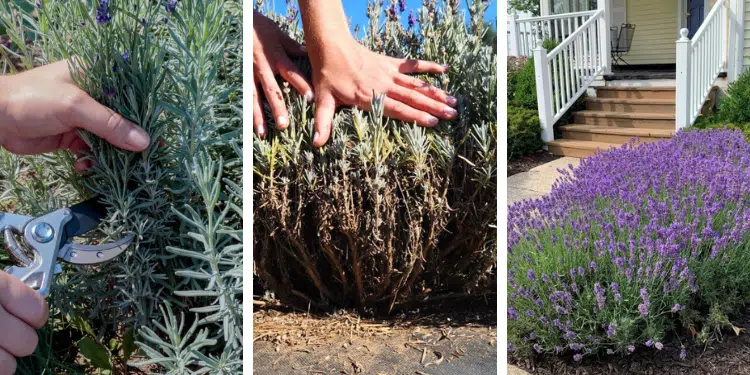
Lavender is one of the most rewarding plants you can grow – fragrant, drought-tolerant, pollinator-friendly, and beautifully structured.
But while it looks tough and carefree in summer, lavender requires smart preparation in late winter to perform its best.
If you want fuller plants, stronger stems, and more blooms this year, there are seven important lavender care jobs you should finish before March.
Completing these tasks in late winter or very early spring sets the foundation for dense growth and long flowering cycles.
Why Late Winter Lavender Care Matters
Most lavender varieties begin waking up as soil temperatures rise in early spring. Once new growth appears, heavy pruning and structural corrections become risky.
By finishing essential maintenance before March, you:
- Encourage compact, bushy growth
- Prevent woody, leggy plants
- Reduce fungal disease risk
- Improve drainage before spring rains
- Increase flower production
Now let’s go through each essential task.
1. Prune Lightly (But Correctly)
Lavender responds extremely well to pruning – but timing and technique are critical.
Why Prune Before March?
Late winter pruning allows you to shape the plant before strong new growth begins.
How to Do It Properly
- Use sharp, clean pruning shears.
- Remove dead or frost-damaged tips.
- Cut back about 1/3 of the soft green growth.
- Never cut into old woody stems that have no green growth.
Lavender does not regenerate well from bare wood. Always leave some green growth above the woody base.
What This Accomplishes
- Encourages branching
- Creates a compact dome shape
- Prevents splitting in heavy bloom season
If your lavender is very young (first-year plant), prune lightly only.
2. Remove Winter Damage and Debris
After winter, lavender often collects fallen leaves and debris around its base.
Why This Is Important
Lavender hates moisture buildup. Debris traps humidity, increasing the risk of fungal rot.
What to Do
- Clear all leaves from around the base.
- Remove any blackened or mushy stems.
- Check for crown rot at soil level.
Good airflow is one of the most important factors for lavender health.
3. Improve Drainage Before Spring Rains
Lavender thrives in dry, well-draining soil. Poor drainage is the #1 reason lavender dies.
Check Your Soil
If soil feels compacted or heavy, improve it now.
How to Improve Drainage
- Mix coarse sand or grit into the top 2–3 inches of soil.
- Raise soil slightly around the crown to prevent water pooling.
- In containers, ensure drainage holes are not blocked.
If you grow lavender in pots, repot with a sandy mix if the soil is dense.
Lavender roots prefer oxygen-rich soil – soggy roots lead to decline quickly.
4. Refresh Mulch (But Use the Right Type)
Unlike many plants, lavender does not like organic mulch piled against its base.
Avoid:
- Thick compost layers
- Wood chips touching the crown
- Moist leaf mulch
Instead Use:
- Gravel
- Small stones
- Grit
A thin gravel layer improves drainage and reflects heat back to the plant, which lavender loves.
Finish this job before spring rains increase humidity.
5. Check for Pests & Early Disease Signs
Although lavender is generally pest-resistant, winter stress can weaken plants.
Inspect:
- Undersides of stems
- Base of plant
- Any yellowing sections
Look for:
- Aphids
- Spittlebugs
- Soft rot areas
Remove affected parts immediately and increase airflow around plants.
Catching issues early prevents spring spread.
6. Feed Lightly (If Needed)
Lavender does not require heavy feeding.
In fact, too much fertilizer produces excessive foliage and fewer flowers.
Should You Fertilize?
Only if:
- Soil is very poor
- Plant showed weak growth last year
How to Feed Properly
- Use a very light application of balanced organic fertilizer.
- Avoid high-nitrogen products.
- Apply around soil – not directly against stem.
In many cases, lavender performs best in lean soil.
7. Shape and Space for Airflow
Before March is the perfect time to correct overcrowding.
If Plants Are Too Close:
- Thin surrounding vegetation.
- Trim neighboring plants that block airflow.
- Ensure at least 12–18 inches between plants (depending on variety).
Good airflow reduces:
- Powdery mildew
- Root rot
- Humidity stress
Lavender loves sun and moving air.
Container Lavender Care Before March
If you grow lavender in pots:
- Check root binding.
- Refresh top 2 inches of soil.
- Ensure drainage holes are clear.
- Avoid overwatering during late winter.
Containers dry differently than garden beds – adjust watering accordingly.
Common Mistakes to Avoid
- Cutting into bare woody stems.
- Leaving wet mulch against crown.
- Over-fertilizing.
- Ignoring drainage issues.
- Waiting until mid-spring to prune.
Late winter is your window to reset and strengthen the plant before growth surges.
What Happens If You Skip These Jobs?
If lavender is not pruned and cleaned before March:
- Plants become leggy.
- Centers open up and split.
- Flowering reduces.
- Woody sections expand.
- Risk of fungal disease increases.
Preventive care is much easier than corrective care.
What to Expect After Finishing These Tasks
Once temperatures rise:
- New green shoots will emerge from pruned stems.
- Plants will grow fuller and rounder.
- Flower spikes will be more numerous.
- Structure will remain compact.
Lavender that is shaped properly in late winter produces stronger, more symmetrical blooms in summer.
Lavender may look low-maintenance, but finishing these seven important care jobs before March makes the difference between a struggling plant and a thriving, fragrant showpiece.