As winter fades and daylight increases, your aloe vera plant begins shifting out of its slower dormancy phase.
March is a crucial transition month. What you do now determines how well your aloe performs through spring and summer.
Whether you grow aloe indoors on a sunny windowsill or outdoors in a warm climate, early spring maintenance helps prevent root rot, encourages new growth, and keeps leaves firm and vibrant.
The plant most people grow as aloe vera is botanically classified as Aloe vera, a hardy succulent adapted to dry, arid conditions.
Because it stores water in thick leaves, it requires a different care approach than typical houseplants.
1. Inspect and Refresh the Soil Before Active Growth Begins
Aloe vera thrives in fast-draining soil. During winter, soil often becomes compacted and moisture-retentive — especially if watering wasn’t carefully controlled.
Before April, check:
- Does water sit on the surface when you pour it?
- Is the soil dense and heavy?
- Does it smell slightly sour?
Compacted soil reduces oxygen around the roots. Aloe roots require airflow. Poor aeration can lead to root rot once temperatures rise.
If the plant has been in the same soil for over a year, early spring is the ideal time to refresh it.
Use a cactus or succulent mix, or create your own blend:
- 50% standard potting soil
- 25% perlite or pumice
- 25% coarse sand
The goal is drainage. Aloe roots prefer drying out between watering cycles.
If you don’t want to fully repot, remove the top 2–3 cm (1 inch) of old soil and replace it with fresh mix to improve surface aeration.
2. Examine the Roots and Repot If Necessary
March is the safest time to repot aloe because growth is about to resume.
Carefully remove the plant from its pot and inspect:
Healthy roots should be:
- Firm
- Light-colored
- Odorless
Signs of trouble:
- Black or mushy roots
- Sour smell
- Waterlogged soil
If root rot is present, trim damaged roots with sterilized scissors and allow the plant to dry for 24 hours before repotting in fresh, dry soil.
Choose a pot only slightly larger than the current one. Aloe prefers being somewhat root-bound. Oversized pots retain too much moisture.
Ensure drainage holes are present – this is non-negotiable.
3. Remove Dead or Damaged Leaves
Winter stress may cause some lower leaves to:
- Yellow
- Shrivel
- Turn soft
These leaves drain energy and can harbor fungal spores.
Use clean pruning shears and cut damaged leaves at the base.
This improves airflow and redirects energy to new growth.
If leaves appear thin and wrinkled, the plant may have been underwatered. If leaves are soft and translucent, overwatering may be the cause.
Correct watering patterns before active growth accelerates.
4. Gradually Increase Light Exposure
Aloe vera needs bright light – ideally 6–8 hours of indirect sunlight daily.
In winter, many plants sit in lower light conditions. As spring sunlight intensifies, sudden direct exposure can scorch leaves.
Before April:
- Move the plant closer to a bright window gradually
- Rotate the pot weekly to prevent leaning
- Avoid sudden midday sun exposure
If leaves develop brown patches after moving to brighter light, that indicates sunburn. Adjust positioning accordingly.
Brighter light encourages:
- Thicker leaves
- Compact growth
- Stronger color
Insufficient light causes stretching and floppy growth.
5. Adjust Your Watering Schedule for Spring
During winter, aloe may only need watering once every 3–4 weeks.
As daylight increases, the plant uses more water – but the biggest mistake is overcompensating.
Before April:
- Allow soil to dry completely between waterings
- Water deeply but infrequently
- Always empty drainage trays
Aloe prefers a “soak and dry” cycle.
Stick your finger 5–7 cm into the soil before watering. If moisture remains, wait.
Root rot remains the primary cause of aloe failure – especially in early spring when enthusiasm leads to excessive watering.
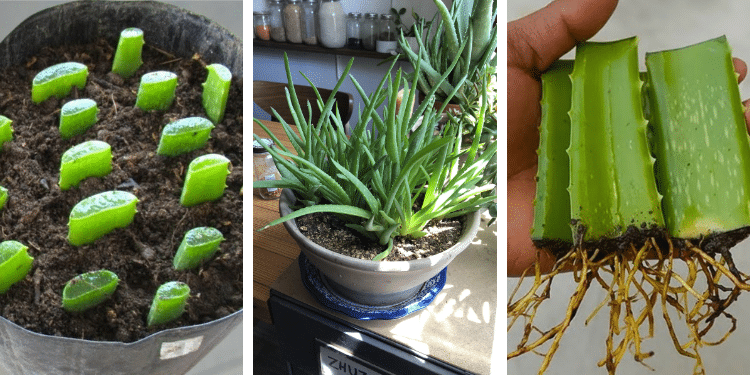
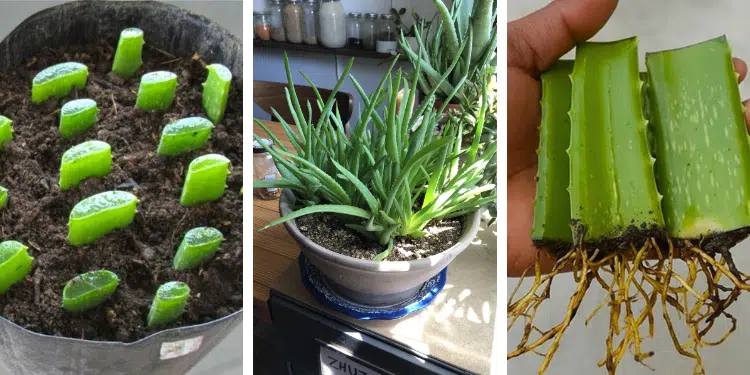
6. Divide and Propagate Offsets (Pups)
Healthy aloe plants produce small offshoots, often called pups, at the base.
March is the ideal time to separate them.
To divide:
- Remove the parent plant gently.
- Locate pups with their own roots.
- Separate carefully by hand or with a clean knife.
- Let separated pups dry for 24–48 hours before planting.
Allowing the cut area to callous reduces infection risk.
Repot pups in small containers with well-draining soil. Water lightly after one week.
Dividing aloe prevents overcrowding and stimulates healthier parent growth.
7. Begin Light Feeding – Carefully
Aloe does not require heavy fertilization.
Before April, once you see visible signs of growth, you may apply:
- A diluted succulent fertilizer (half strength)
- Once in early spring
Avoid high-nitrogen fertilizers. Too much nitrogen leads to weak, overly soft leaves.
Feeding lightly supports:
- Root expansion
- Leaf thickening
- Overall vigor
Do not fertilize if the plant is stressed or recovering from root issues.
Bonus Task: Check for Pests Early
Though resilient, aloe can occasionally attract:
- Mealybugs
- Scale
- Fungus gnats (if soil stays wet)
Inspect leaf joints and soil surface.
Treat early with insecticidal soap or neem oil if necessary.
Early detection prevents rapid infestations once temperatures rise.
Understanding Aloe’s Seasonal Growth Cycle
Aloe vera enters a slow phase during colder months. In early spring, growth resumes gradually.
You may notice:
- New leaves emerging from the center
- Slight thickening of existing leaves
- Increased water use
Supporting this transition ensures strong summer growth.
Indoor vs Outdoor Aloe Care Before April
Indoor plants require careful light adjustments and drainage management.
Outdoor plants (in warm climates) should be protected from late frosts before full sun exposure.
If moving indoor aloe outdoors:
- Acclimate gradually over 1–2 weeks
- Increase sun exposure slowly
Sudden transitions can shock the plant.
Common Mistakes to Avoid in Early Spring
- Repotting into oversized containers
- Watering too frequently
- Using heavy potting soil
- Exposing to sudden direct sun
- Fertilizing stressed plants
Aloe thrives on restraint and good drainage.
Why March Care Matters So Much
Spring preparation determines:
- Root health
- Leaf thickness
- Resistance to rot
- Overall plant structure
Small corrections now prevent major issues in summer.
Healthy roots = healthy leaves.
Aloe vera may be low-maintenance, but strategic early-spring care dramatically improves performance.