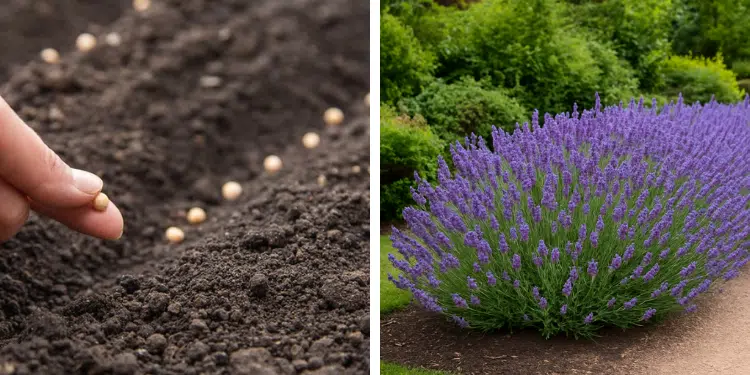
When autumn arrives and temperatures cool, many gardeners think it’s time to pack away their tools until spring.
But fall is actually the perfect season to sow seeds that will reward you with beautiful blooms the following year.
By planting in fall, you’re mimicking nature’s own cycle – where seeds drop to the ground in late summer or autumn, lie dormant over winter, and burst to life in spring.
Why Plant Seeds in Fall?
Planting in fall has several advantages:
Mimics Nature’s Rhythm – Many wildflowers and perennials naturally scatter their seeds in late summer or fall.
These seeds go through a cold, dormant period (called cold stratification) before sprouting in spring. By sowing in fall, you allow nature to do this work for you.
Better Germination Rates – The freeze-thaw cycles of winter crack seed coats, improve germination, and create strong seedlings. Some seeds, like poppies and larkspur, require cold weather to sprout.
Moisture Advantage – Fall often brings more consistent rainfall, reducing the need for frequent watering. The cooler air also slows evaporation.
Earlier Blooms – Seeds sown in fall establish faster in spring, leading to earlier and often more prolific blooms than spring-planted counterparts.
Less Work in Spring – Spring is one of the busiest times for gardeners. By planting in fall, you spread out your workload and get a head start.
Best Practices for Planting Seeds in Fall
Before we dive into specific flowers, here are the general steps for successful fall seeding:
1. Choose the Right Seeds
Not all seeds are suitable for fall planting. Focus on:
- Hardy annuals that self-seed naturally.
- Perennials that need cold stratification.
- Bulbous plants from seed (if you’re patient).
2. Timing Is Key
- Aim for 4–6 weeks before the ground freezes.
- Seeds need time to settle but not enough time to sprout before winter.
- In zones with mild winters, you can sow later; in colder zones, sow earlier.
3. Prepare the Soil
- Clear away weeds and debris.
- Loosen soil with a rake or fork.
- Amend with compost for added nutrients.
- Aim for a fine seedbed – firm but crumbly.
4. Sow Correctly
- Follow packet depth guidelines.
- Scatter small seeds (like poppies) on the surface and press lightly.
- For larger seeds, cover with soil 2–3 times the seed’s diameter.
5. Mulch or Not?
- A thin mulch (straw, pine needles) protects seeds from washout.
- Avoid heavy mulch that prevents light from reaching surface-sown seeds.
6. Watering
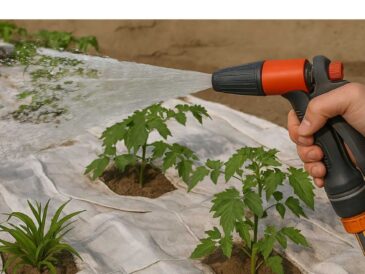
- Water lightly after sowing.
- Let autumn rains maintain moisture afterward.
25+ Seeds to Plant in Fall for Next Year’s Blooms
Here’s a breakdown of some of the best seeds to plant in fall, grouped into categories.
Hardy Annual Flowers
1. Poppies (Papaver spp.)
- Appearance: Silky, tissue-paper blooms in shades of red, pink, white, or orange.
- Soil Needs: Light, sandy, well-draining soil. Poor soils often yield more flowers.
- Bloom Time: Late spring to early summer.
- Special Tip: Scatter seeds directly where you want them – poppies hate transplanting.
- Companion Plants: Pair with cornflowers or nigella for a naturalized meadow look.
2. Larkspur (Consolida ajacis)
- Appearance: Tall spires of blue, purple, or pink flowers.
- Soil Needs: Loose, well-drained soil. Prefers slightly alkaline.
- Bloom Time: Late spring to early summer.
- Special Tip: Needs cold to germinate; fall sowing is ideal.
- Companion Plants: Roses or peonies – larkspur provides vertical contrast.
3. Nigella (Love-in-a-Mist)
- Appearance: Soft, feathery foliage with starry blue, white, or pink flowers.
- Soil Needs: Well-drained, loamy soil. Doesn’t like heavy clay.
- Bloom Time: Spring into early summer.
- Special Tip: The seed pods are decorative and can be dried.
- Companion Plants: Great among herbs or in cottage garden beds.
4. Bachelor’s Buttons (Centaurea cyanus)
- Appearance: Classic vivid-blue flowers; some pink and purple varieties exist.
- Soil Needs: Prefers poor to average soil, well-drained.
- Bloom Time: Early to mid-summer.
- Special Tip: Deadhead to extend flowering.
- Companion Plants: Plant with poppies for a patriotic red, white, and blue display.
Perennials from Seed
5. Echinacea (Coneflower)
- Appearance: Daisy-like blooms with a spiky central cone in purple, white, or yellow.
- Soil Needs: Adaptable but thrives in well-draining, sandy soil.
- Bloom Time: Mid to late summer.
- Special Tip: Excellent for pollinators and as a medicinal herb.
- Companion Plants: Black-eyed Susans and ornamental grasses.
6. Black-Eyed Susan (Rudbeckia hirta)
- Appearance: Bright yellow petals with dark brown centers.
- Soil Needs: Tolerates a range but prefers fertile, well-drained soil.
- Bloom Time: Midsummer into fall.
- Special Tip: Self-seeds heavily; great for naturalized borders.
- Companion Plants: Coneflowers, asters, and goldenrod.
7. Columbine (Aquilegia)
- Appearance: Unique, nodding flowers with long spurs in many colors.
- Soil Needs: Moist, well-drained soil enriched with compost.
- Bloom Time: Spring into early summer.
- Special Tip: Favors dappled shade and naturalizes well in woodland gardens.
- Companion Plants: Hostas, ferns, and bleeding hearts.
8. Shasta Daisy (Leucanthemum × superbum)
- Appearance: Classic white petals with golden-yellow centers.
- Soil Needs: Fertile, moist, well-drained soil.
- Bloom Time: Early summer through early fall.
- Special Tip: Deadhead spent blooms to prolong flowering.
- Companion Plants: Purple coneflowers, lavender, and yarrow.
9. Gaillardia (Blanket Flower)
- Appearance: Bright red-and-yellow “blanket” patterned petals.
- Soil Needs: Dry, sandy, or rocky soil. Drought-tolerant.
- Bloom Time: Summer to early fall.
- Special Tip: Doesn’t need fertilizer; thrives in lean soil.
- Companion Plants: Ornamental grasses and salvias.
Biennials
10. Foxglove (Digitalis)
- Appearance: Tall spikes of tubular blooms in pink, purple, white, or yellow.
- Soil Needs: Rich, moist, slightly acidic soil.
- Bloom Time: Early to midsummer (in the second year).
- Special Tip: Poisonous – avoid planting where pets or children play.
- Companion Plants: Hostas and ferns for shade gardens.
11. Hollyhocks (Alcea rosea)
- Appearance: Towering spires with single or double blooms in many colors.
- Soil Needs: Fertile, well-drained soil.
- Bloom Time: Mid to late summer.
- Special Tip: Biennial; fall sowing ensures blooms in year two.
- Companion Plants: Cottage garden staples like roses and delphiniums.
12. Sweet William (Dianthus barbatus)
- Appearance: Clustered flowers in red, pink, or white with a spicy scent.
- Soil Needs: Rich, well-drained soil.
- Bloom Time: Late spring to early summer (second year).
- Special Tip: Attracts butterflies and bees.
- Companion Plants: Poppies and pansies.
Bulbous Plants from Seed
13. Allium
- Appearance: Spherical, globe-shaped flower heads in purple, pink, or white.
- Soil Needs: Well-drained sandy soil.
- Bloom Time: Late spring to early summer.
- Special Tip: Seeds take several years to mature to bloom.
- Companion Plants: Roses, hostas, and ornamental grasses.
14. Lilies (various species)
- Appearance: Showy trumpet or star-shaped blooms in many colors.
- Soil Needs: Fertile, slightly acidic, well-drained soil.
- Bloom Time: Summer.
- Special Tip: Growing lilies from seed is slow – 3–4 years to flowers.
- Companion Plants: Astilbe, delphinium, or hosta.
Wildflowers & Meadow Mixes
15. Coreopsis
- Appearance: Daisy-like yellow or bicolor blooms.
- Soil Needs: Poor to average, well-drained soil.
- Bloom Time: Summer into early fall.
- Special Tip: Attracts pollinators and self-seeds generously.
- Companion Plants: Black-eyed Susans and purple coneflowers.
16. Lupines
- Appearance: Tall spires of pea-like flowers in blue, pink, purple, or white.
- Soil Needs: Sandy, well-drained, slightly acidic soil.
- Bloom Time: Late spring to early summer.
- Special Tip: Needs scarification (nicking seed coat) before planting.
- Companion Plants: Columbines and foxgloves.
17. Milkweed (Asclepias)
- Appearance: Clusters of pink, orange, or white flowers.
- Soil Needs: Moist but well-drained soil.
- Bloom Time: Summer.
- Special Tip: Essential host plant for monarch butterflies.
- Companion Plants: Coneflowers and black-eyed Susans.
18. Penstemon
- Appearance: Tubular flowers in shades of pink, red, purple, and blue.
- Soil Needs: Well-drained, sandy soil.
- Bloom Time: Late spring into summer.
- Special Tip: Needs good drainage; dislikes heavy clay.
- Companion Plants: Agastache and salvias.
Cottage Garden Favorites
19. Delphiniums
- Appearance: Dramatic spires of blue, purple, pink, or white flowers.
- Soil Needs: Fertile, moist, well-drained soil.
- Bloom Time: Early to midsummer.
- Special Tip: Needs staking; protect from strong winds.
- Companion Plants: Roses, peonies, or phlox.
20. Pinks (Dianthus)
- Appearance: Frilly flowers in pink, red, or white with spicy fragrance.
- Soil Needs: Alkaline, well-drained soil.
- Bloom Time: Late spring to early summer.
- Special Tip: Trim after flowering to encourage reblooming.
- Companion Plants: Lavender, yarrow, and roses.
21. Primroses
- Appearance: Rosettes of leaves with bright, cheerful flowers in spring.
- Soil Needs: Moist, humus-rich, well-drained soil.
- Bloom Time: Early spring.
- Special Tip: Thrive in partial shade.
- Companion Plants: Ferns and hostas in shaded beds.
Herbs with Ornamental Flowers
22. Lavender
- Appearance: Fragrant purple spikes and silvery-green foliage.
- Soil Needs: Sandy, alkaline, well-drained soil.
- Bloom Time: Summer.
- Special Tip: Needs full sun and low humidity.
- Companion Plants: Roses, rosemary, and catmint.
23. Chamomile
- Appearance: Daisy-like blooms with yellow centers and white petals.
- Soil Needs: Light, sandy soil.
- Bloom Time: Summer.
- Special Tip: Self-seeds readily and is great for teas.
- Companion Plants: Mint and lavender.
24. Chives
- Appearance: Purple globe flowers atop slender green stems.
- Soil Needs: Moist, fertile, well-drained soil.
- Bloom Time: Late spring to early summer.
- Special Tip: Cut back flowers to prevent self-seeding.
- Companion Plants: Tomatoes, carrots, and roses (repels pests).
25. Anise Hyssop (Agastache)
- Appearance: Spikes of purple flowers with a licorice scent.
- Soil Needs: Sandy, well-drained soil.
- Bloom Time: Summer into fall.
- Special Tip: Attracts bees, butterflies, and hummingbirds.
- Companion Plants: Coneflowers, bee balm, and ornamental grasses.
Regional Considerations
- USDA Zones 3–5 (Cold Winters): Sow seeds earlier in fall, by late September. Mulch lightly.
- Zones 6–7 (Moderate Winters): October sowing is ideal.
- Zones 8–10 (Mild Winters): Sow in late fall or even early winter. Some seeds may germinate right away but will slow growth until spring.
Common Mistakes to Avoid
- Sowing too early – Seeds may sprout before frost, only to be killed.
- Using heavy mulch – Smothers tiny seeds.
- Poor soil prep – Weeds and compacted soil reduce germination.
- Overwatering – Leads to rot in cool soil.
- Forgetting labels – Mark seed areas clearly for spring.
Planting seeds in fall isn’t just about saving time – it’s about harnessing nature’s rhythm.
By choosing the right seeds, preparing your soil, and timing your planting well, you’ll set yourself up for explosive color and earlier blooms next spring and summer.
From delicate poppies and columbines to stately foxgloves and fragrant lavender, the choices are endless. And the best part? Many of these plants will return year after year, giving you a low-maintenance, high-reward garden.