Nasturtiums are far more than just pretty flowers. These vibrant, easy-to-grow annuals are powerful allies for any gardener – attracting pollinators, repelling pests, improving soil health, and even offering edible leaves, flowers, and seeds packed with flavor and nutrients.
Whether you’re growing a vegetable garden, container display, or ornamental border, nasturtiums (botanical name: Tropaeolum majus) bring beauty and function together in one hardy, low-maintenance plant.
1. Natural Pest Repellent
Nasturtiums are famous for their ability to repel common garden pests like aphids, squash bugs, whiteflies, and cabbage loopers.
Their peppery scent acts as a deterrent, keeping unwanted insects away from nearby crops.
Best use: Plant nasturtiums around tomatoes, cucumbers, beans, or brassicas (like cabbage and kale) to protect them naturally.
2. Trap Crop for Aphids
While nasturtiums repel some pests, they also attract aphids – keeping them away from your valuable vegetables. This makes them an excellent “sacrificial” or trap crop.
Aphids prefer nasturtium leaves, leaving your lettuce, peppers, and roses untouched. Once the leaves are infested, simply trim and dispose of them.
3. Pollinator Magnet
Nasturtiums produce nectar-rich blooms that attract bees, butterflies, and hummingbirds. Their long spurred flowers provide food for pollinators when many other plants are fading, helping boost pollination across your entire garden.
4. Attracts Beneficial Insects
Beyond pollinators, nasturtiums also attract predatory insects that help control pest populations naturally.
Ladybugs, lacewings, and hoverflies love nasturtiums – and they feed on aphids, thrips, and whiteflies that threaten your garden.
5. Edible Flowers and Leaves
Every part of the nasturtium plant is edible and packed with nutrition. The leaves and flowers have a peppery, slightly spicy flavor, similar to watercress.
Use them in:
- Fresh garden salads
- Sandwiches or wraps
- Garnishes for soups and pasta
Health bonus: Nasturtiums are rich in vitamin C and natural antibiotic compounds.
6. Nasturtium Seeds as Capers
When nasturtiums finish blooming, they produce green seed pods that taste like mild capers. You can pickle them in vinegar and salt for a tangy condiment – often called “poor man’s capers.”
These homemade pickled nasturtium seeds are delicious in pasta, salads, and antipasto platters.
7. Improves Soil Health
Nasturtiums act as natural soil improvers. Their deep roots pull nutrients like phosphorus and potassium up from the subsoil, making them available to shallow-rooted plants.
After the growing season, chop and compost the plants – they enrich the soil with organic matter and trace minerals.
8. Great Ground Cover
Low-growing nasturtium varieties spread quickly and cover bare soil, preventing erosion and suppressing weeds.
This living mulch keeps soil cool and moist, reducing evaporation during hot summer months.
9. Perfect Companion Plant
Nasturtiums are among the best companion plants in the garden. Their pest-repelling and pollinator-attracting qualities make them ideal partners for many vegetables and flowers.
Best companions:
- Tomatoes
- Cucumbers
- Beans
- Zucchini
- Cabbage and kale
- Strawberries
Avoid planting too close to potatoes – nasturtiums can attract certain potato beetles.
10. Container and Hanging Basket Beauty
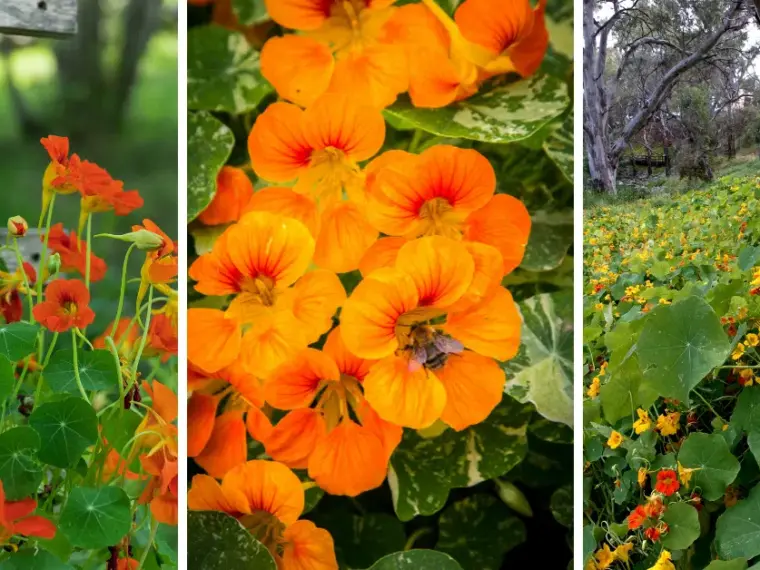
Trailing nasturtium varieties are perfect for containers, window boxes, and hanging baskets. Their cascading vines and bright orange, yellow, and red blooms add instant color and charm.
They thrive even in poor soil – in fact, too much fertility can reduce flowering.
11. Natural Weed Suppressant
Because nasturtiums spread quickly, they create a dense canopy that shades out weeds. This reduces competition for nutrients and water around nearby crops.
They make an excellent living mulch between rows of vegetables or under fruit trees.
12. Easy to Grow and Maintain
Even for beginners, nasturtiums are among the simplest flowers to grow. They tolerate poor soil, minimal watering, and partial shade.
Just scatter seeds directly into the garden in spring or early summer, water lightly, and enjoy fast, lush growth.
13. Cold-Tolerant Varieties for Extended Season
Some nasturtium varieties, such as Tropaeolum minus, are surprisingly hardy. In mild climates, they can continue blooming through fall – and even into early winter.
Planting them in November in containers keeps patios and balconies colorful long after other plants fade.
14. Medicinal Benefits
Traditionally, nasturtiums have been used in herbal medicine for their antimicrobial and immune-boosting properties.
They contain compounds that help fight bacterial and fungal infections, making them a natural remedy for respiratory and skin conditions.
A tea made from nasturtium leaves is believed to help soothe coughs, colds, and bronchitis.
15. Adds Color to Vegetable Gardens
Vegetable beds don’t have to be plain green. Nasturtiums add vibrant splashes of orange, red, and yellow, creating a cheerful, pollinator-friendly display that also boosts your harvest.
Their bold blooms attract beneficial insects while making your garden more inviting and biodiverse.
16. Boosts Garden Biodiversity
By attracting pollinators and predatory insects, nasturtiums enhance overall biodiversity in your garden. This balance keeps pest populations in check and promotes a healthier ecosystem.
17. Excellent for Children’s Gardens
Nasturtiums are perfect for kids to grow – their large seeds are easy to handle, they germinate quickly, and the bright flowers are fun to pick and eat.
They’re also non-toxic and safe for pets, making them a worry-free choice for family gardens.
18. Visually Enhances Fences and Trellises
Climbing nasturtium varieties can be trained up trellises, fences, or arbors for an instant burst of color. They fill vertical spaces beautifully while hiding unsightly structures.
A single packet of seeds can transform a dull wall into a living, flowering tapestry.
19. Supports Pollinator-Friendly Gardening
If you’re building a pollinator or wildlife garden, nasturtiums are a must. They bloom continuously through the warm months, providing nectar when other flowers are scarce.
They’re also a crucial food source for caterpillars of certain butterfly species, such as the cabbage white.
20. Perfect for Companion Flower Bouquets
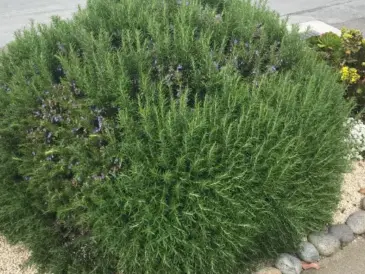
Nasturtium flowers last well in vases and bring a rustic, cheerful touch to cut arrangements. Combine them with herbs like rosemary or mint for fragrant, natural bouquets straight from the garden.
Tips for Growing Healthy Nasturtiums
- Sow directly outdoors: Nasturtiums dislike transplanting, so plant seeds where you want them to grow.
- Sunlight: Prefer full sun but tolerate partial shade.
- Soil: Thrive in poor, well-draining soil; avoid over-fertilizing.
- Watering: Water moderately; overwatering reduces flower production.
- Deadheading: Remove spent blooms to encourage continuous flowering.
Nasturtiums are one of the most versatile and beneficial plants you can add to your garden.
From pest control and pollinator support to soil enrichment and edible beauty, they work hard while looking gorgeous.