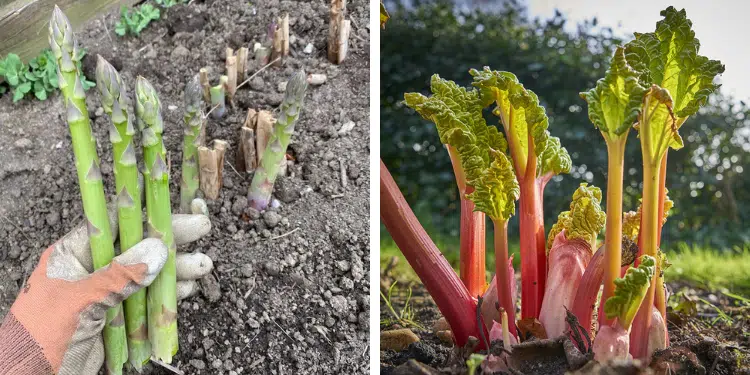
Growing vegetables is rewarding, but replanting them every year can be time-consuming. That’s where perennial vegetables come in.
Unlike annuals that need sowing each season, perennials return year after year, often becoming more productive with time.
By adding perennials to your garden, you save effort, reduce soil disturbance, and ensure a steady supply of fresh produce with minimal maintenance.
Some can even thrive for decades, making them a smart investment for self-sufficiency.
Here are 18 perennial vegetables you can plant once and enjoy for years – along with tips to keep them healthy and productive.
1. Asparagus (Asparagus officinalis)
Lifespan: 20–30 years
Asparagus is one of the most popular perennial vegetables, known for its tender, spear-like shoots in spring.
Growing Tips:
- Sunlight: Full sun
- Soil: Loose, well-drained, rich in organic matter
- Planting: Start from crowns in early spring
- Harvest: Wait until the third year to harvest for best plant longevity
Maintenance: Mulch yearly, weed carefully to avoid damaging shallow roots, and let spears grow into ferns after harvest to store energy.
2. Rhubarb (Rheum rhabarbarum)
Lifespan: 8–10 years
Rhubarb is grown for its tart stalks, perfect for pies, jams, and sauces.
Growing Tips:
- Sunlight: Full sun to partial shade
- Soil: Fertile, well-drained, slightly acidic
- Planting: Plant crowns in spring or autumn
- Harvest: Avoid harvesting in the first year; take only a third of stalks in year two
Maintenance: Remove flower stalks to encourage leaf stalk production, and feed with compost in spring.
3. Globe Artichoke (Cynara scolymus)
Lifespan: 4–7 years
Artichokes produce large edible flower buds with a delicate, nutty flavor.
Growing Tips:
- Sunlight: Full sun
- Soil: Rich, well-drained
- Planting: Start from crowns or transplants in spring
- Harvest: Pick buds when tight and firm
Maintenance: Mulch heavily in colder climates or lift and store crowns over winter.
4. Jerusalem Artichoke (Helianthus tuberosus)
Lifespan: Indefinite if tubers are left in the ground
Also known as sunchokes, these produce nutty, crisp tubers beneath sunflower-like plants.
Growing Tips:
- Sunlight: Full sun
- Soil: Loose, sandy
- Planting: Plant tubers in spring
- Harvest: Dig after frost for sweeter flavor
Maintenance: Contain growth in dedicated beds as they can spread aggressively.
5. Sorrel (Rumex acetosa)
Lifespan: 4–6 years
Sorrel is a leafy green with a tangy, lemony flavor, great in soups and salads.
Growing Tips:
- Sunlight: Full sun to partial shade
- Soil: Moist, fertile
- Planting: Sow seeds in spring or start from divisions
- Harvest: Cut leaves regularly to encourage regrowth
Maintenance: Divide plants every few years to maintain vigor.
6. Egyptian Walking Onions (Allium × proliferum)
Lifespan: Indefinite
These onions produce clusters of small bulbs at the top of their stalks, which bend down and “walk” across the garden.
Growing Tips:
- Sunlight: Full sun
- Soil: Loose, well-drained
- Planting: Plant bulbs in fall or spring
- Harvest: Pull green shoots anytime or dig bulbs in summer
Maintenance: Allow some top bulbs to replant themselves for continuous growth.
7. Sea Kale (Crambe maritima)
Lifespan: 10+ years
Sea kale produces edible shoots, leaves, and flowers, with a flavor similar to mild cabbage.
Growing Tips:
- Sunlight: Full sun
- Soil: Sandy, well-drained
- Planting: Start from root cuttings or seeds
- Harvest: Cut shoots in spring before they flower
Maintenance: Mulch heavily to protect roots in cold winters.
8. Good King Henry (Blitum bonus-henricus)
Lifespan: 8–10 years
An old-fashioned perennial spinach alternative.
Growing Tips:
- Sunlight: Full sun to light shade
- Soil: Fertile, well-drained
- Planting: Sow in spring; slow to establish but long-lived
- Harvest: Pick young leaves for salads or cook older ones like spinach
Maintenance: Keep soil moist during dry spells for tender leaves.
9. Lovage (Levisticum officinale)
Lifespan: 10+ years
A tall herb with celery-like flavor, used in soups and stews.
Growing Tips:
- Sunlight: Full sun to partial shade
- Soil: Rich, well-drained
- Planting: Sow seeds in spring
- Harvest: Cut stems and leaves as needed
Maintenance: Mulch and divide every few years.
10. Perennial Kale
Lifespan: 5–7 years
Unlike annual kale, perennial varieties keep producing leaves year-round.
Growing Tips:
- Sunlight: Full sun
- Soil: Rich, well-drained
- Planting: Start from cuttings or transplants
- Harvest: Pick outer leaves regularly
Maintenance: Prune to encourage new shoots and prevent legginess.
11. Chayote (Sechium edule)
Lifespan: 3–7 years in warm climates
A vigorous vine producing pear-shaped fruits.
Growing Tips:
- Sunlight: Full sun
- Soil: Rich, well-drained
- Planting: Plant whole fruit sprouting in spring
- Harvest: Pick young fruits before skin hardens
Maintenance: Provide strong trellis support.
12. Horseradish (Armoracia rusticana)
Lifespan: Indefinite if roots are left in soil
Grown for its pungent roots, horseradish is a hardy perennial.
Growing Tips:
- Sunlight: Full sun to partial shade
- Soil: Loose, rich
- Planting: Plant root cuttings in spring or fall
- Harvest: Dig roots in late fall after frost
Maintenance: Contain in a bed or pot to prevent spreading.
13. Watercress (Nasturtium officinale)
Lifespan: Indefinite in the right conditions
A peppery aquatic green, rich in vitamins.
Growing Tips:
- Sunlight: Full sun to partial shade
- Soil: Constantly wet or shallow running water
- Planting: Sow seeds in spring
- Harvest: Cut stems above waterline
Maintenance: Trim regularly to prevent flowering and bitterness.
14. Chinese Artichoke (Stachys affinis)
Lifespan: Many years if tubers are replanted
Produces small, nutty-flavored tubers.
Growing Tips:
- Sunlight: Full sun
- Soil: Loose, well-drained
- Planting: Plant tubers in spring
- Harvest: Dig after frost for best flavor
Maintenance: Keep soil loose for easy harvesting.
15. Oca (Oxalis tuberosa)
Lifespan: Perennial in frost-free areas, grown as annual elsewhere
A South American tuber with a tangy flavor.
Growing Tips:
- Sunlight: Full sun
- Soil: Loose, fertile
- Planting: Plant tubers after frost
- Harvest: Dig when foliage dies back
Maintenance: Protect from frost until ready to harvest.
16. Skirret (Sium sisarum)
Lifespan: Many years
Produces clusters of sweet, carrot-like roots.
Growing Tips:
- Sunlight: Full sun
- Soil: Moist, rich
- Planting: Sow seeds in spring or plant root divisions
- Harvest: Dig in autumn or winter
Maintenance: Keep soil moist for tender roots.
17. Perennial Leek
Lifespan: Indefinite with replanting of offsets
Looks like regular leeks but regrows from offsets yearly.
Growing Tips:
- Sunlight: Full sun
- Soil: Rich, well-drained
- Planting: Plant offsets in spring or fall
- Harvest: Pull mature stalks and replant young shoots
Maintenance: Mulch to conserve moisture.
18. Tree Collards
Lifespan: 8–10 years
Tall-growing greens producing leaves year-round in mild climates.
Growing Tips:
- Sunlight: Full sun to partial shade
- Soil: Rich, well-drained
- Planting: Start from cuttings
- Harvest: Pick leaves regularly
Maintenance: Stake to support tall stems and prune for shape.
Why Perennial Vegetables Are a Smart Choice
- Less Work: No yearly sowing
- Soil Health: Reduced disturbance supports beneficial microbes
- Cost-Effective: One-time planting for years of harvest
- Extended Harvest Seasons: Some perennials produce outside normal annual cycles
Care Tips for Long-Lived Perennial Veggies
- Mulch annually to protect roots and suppress weeds.
- Feed regularly with compost or slow-release fertilizer.
- Divide or thin clumps every few years to prevent overcrowding.
- Watch for pests early to prevent long-term infestations.
Adding perennial vegetables to your garden is a smart and sustainable way to grow your own food. With options ranging from leafy greens to root crops, there’s something for every gardener and climate.
By planting these 18 perennial vegetables, you can enjoy fresh, homegrown produce year after year with minimal effort.
Start planting today and transform your garden into a perennial paradise that keeps on giving