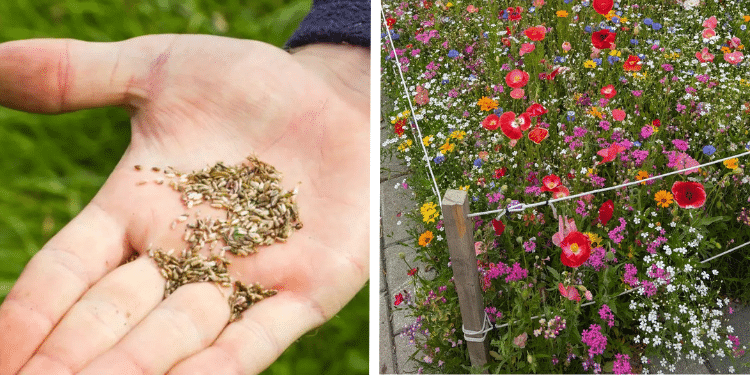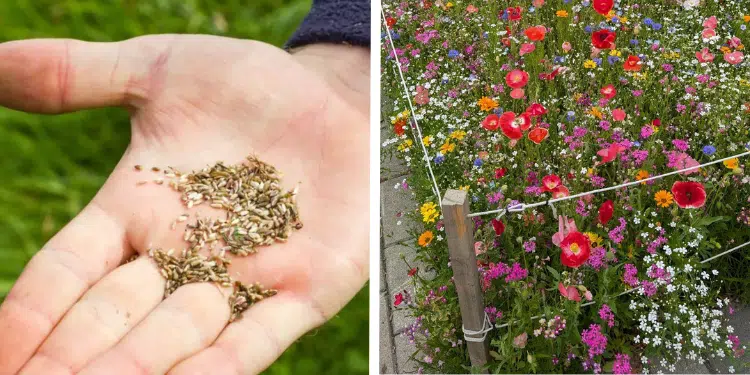
Creating a pollinator-friendly garden is one of the best ways to support local ecosystems while adding beauty and color to your outdoor space.
Pollinators such as bees, butterflies, and hoverflies play a crucial role in the reproduction of many plants, including vegetables and fruits.
One of the easiest ways to attract these helpful insects is by planting wildflowers. Many wildflower species produce nectar-rich blooms that provide food sources throughout the growing season.
March is an ideal time to start many wildflowers because soil temperatures begin to warm, daylight increases, and seedlings have time to establish before summer arrives.
Why Pollinator Gardens Are Important
Pollinators are responsible for fertilizing many crops and flowering plants. Bees alone pollinate a large percentage of fruits, vegetables, and nuts grown worldwide.
However, pollinator populations have declined in many areas due to habitat loss, pesticide use, and climate change.
Planting wildflowers helps provide the nectar and pollen pollinators need to survive.
Wildflower gardens also support biodiversity by creating habitats for beneficial insects.
Even small gardens or containers filled with wildflowers can make a difference.
Why March Is the Perfect Time to Start Wildflowers
Early spring offers excellent conditions for starting many wildflowers.
Cool temperatures encourage strong root growth before the heat of summer arrives.
Longer daylight hours stimulate germination and seedling development.
Starting wildflowers in March also ensures plants are well established by the time pollinators become active in late spring.
Early planting often results in earlier blooming and longer flowering periods.
1. Cornflower
Cornflowers are among the easiest wildflowers to grow. Their bright blue blooms are extremely attractive to bees and butterflies.
How to plant
Cornflower seeds can be sown directly in the garden once the soil becomes workable. Scatter the seeds lightly over the soil surface and cover them with a very thin layer of soil.
Growing conditions
These flowers prefer full sun and well-drained soil. They tolerate poor soil surprisingly well, which makes them perfect for natural meadow-style gardens.
Care tips
Water lightly during early growth, but once established, cornflowers are fairly drought tolerant. Deadheading spent blooms can encourage more flowers throughout the season.
2. Poppies
Poppies are known for their delicate, paper-like petals and vibrant colors. They create dramatic displays in spring and early summer.
How to plant
Poppy seeds are extremely small. Sprinkle them directly on the soil surface and press them gently into the ground without covering them deeply.
Growing conditions
Poppies thrive in full sun and loose soil. They dislike being transplanted, so direct sowing is usually best.
Care tips
Keep the soil slightly moist during germination. Once established, poppies require little maintenance and often reseed themselves naturally.
3. Black-Eyed Susan
Black-eyed Susans produce cheerful yellow flowers with dark centers that bloom throughout summer.
How to plant
Seeds can be started indoors in March or sown directly outdoors once the soil warms slightly.
Growing conditions
These plants grow best in full sun but can tolerate partial shade. They adapt to many soil types and are very resilient.
Care tips
Water regularly during early growth. Once established, they tolerate drought well. Leaving some flowers to produce seeds can attract birds later in the season.
4. California Poppy
California poppies are known for their bright orange flowers that open in sunlight and close at night.
How to plant
Scatter seeds directly on the soil surface and lightly press them in. These plants do not transplant well.
Growing conditions
They prefer sandy or well-drained soil and thrive in full sun.
Care tips
California poppies require very little watering once established. Allowing them to reseed naturally helps maintain a self-sustaining wildflower patch.
5. Cosmos
Cosmos plants grow tall and produce delicate pink, white, or purple flowers.
How to plant
Seeds can be sown directly in the garden in early spring or started indoors in March.
Growing conditions
Cosmos prefer sunny locations and moderate soil fertility.
Care tips
Avoid over-fertilizing, as rich soil encourages leafy growth rather than flowers. Deadheading promotes continuous blooming.
6. Lupine
Lupines produce tall flower spikes that add height and structure to gardens.
How to plant
Seeds should be soaked overnight before planting to improve germination. Plant them about half an inch deep in well-drained soil.
Growing conditions
Lupines prefer cooler temperatures and slightly acidic soil.
Care tips
These plants do not like being transplanted once established. Plant them where they can grow permanently.
7. Yarrow
Yarrow is a hardy perennial with clusters of tiny flowers that pollinators love.
How to plant
Seeds can be started indoors or sown directly outdoors. Lightly press them into the soil surface.
Growing conditions
Yarrow thrives in full sun and dry soil.
Care tips
Avoid overwatering. Cutting back spent blooms encourages a second round of flowering later in the season.
8. Blanket Flower
Blanket flowers produce striking red and yellow blooms that resemble miniature sunsets.
How to plant
Seeds can be started indoors or planted directly outside in early spring.
Growing conditions
These plants prefer full sunlight and sandy soil.
Care tips
Blanket flowers are drought tolerant and require minimal care. Removing faded flowers encourages more blooms.
9. Bee Balm
Bee balm produces vibrant flowers that attract bees, butterflies, and hummingbirds.
How to plant
Seeds can be started indoors in March and transplanted outdoors later.
Growing conditions
Bee balm grows best in full sun but can tolerate partial shade.
Care tips
Provide good air circulation to prevent mildew. Dividing plants every few years helps maintain healthy growth.
10. Coreopsis
Coreopsis produces bright yellow flowers that bloom continuously through summer.
How to plant
Seeds can be scattered directly in the garden in early spring.
Growing conditions
These flowers thrive in full sun and well-drained soil.
Care tips
Coreopsis benefits from occasional trimming to maintain bushy growth and prolong flowering.
11. Purple Coneflower
Purple coneflowers are beloved for their daisy-like blooms and resilience.
How to plant
Seeds can be started indoors or sown directly outside in early spring.
Growing conditions
They prefer full sun and moderately fertile soil.
Care tips
Allowing some flowers to go to seed provides food for birds and encourages natural reseeding.
12. Sweet Alyssum
Sweet alyssum forms low-growing clusters of tiny, fragrant flowers.
How to plant
Seeds should be scattered lightly on the soil surface because they need light to germinate.
Growing conditions
These flowers grow well in full sun or partial shade.
Care tips
Regular watering during dry periods helps maintain continuous blooms.
13. Sunflowers
Sunflowers add height and dramatic color to pollinator gardens.
How to plant
Plant seeds about one inch deep directly in the soil or start them indoors in March.
Growing conditions
Sunflowers require full sun and nutrient-rich soil.
Care tips
Tall varieties may need support stakes to prevent wind damage.
14. Bachelor’s Buttons
Bachelor’s buttons resemble cornflowers and produce vibrant blue flowers.
How to plant
Seeds can be scattered directly into the garden soil in early spring.
Growing conditions
They thrive in sunny areas and tolerate poor soil.
Care tips
Regular trimming encourages bushier plants and longer blooming periods.
15. Phacelia
Phacelia is one of the most valuable plants for supporting pollinators.
How to plant
Seeds should be lightly covered with soil and kept moist during germination.
Growing conditions
Phacelia grows best in full sun and well-drained soil.
Care tips
This plant grows quickly and can also improve soil health when used as a cover crop.
General Tips for Growing Wildflowers
Wildflowers are known for being low-maintenance, but a few simple practices can help them thrive.
Prepare the soil by loosening it slightly and removing large weeds before planting. Most wildflowers do not require rich soil, so heavy fertilization is unnecessary.
Water seeds gently during germination to keep the soil moist but not waterlogged.
Planting flowers in clusters rather than single scattered plants helps pollinators locate them more easily.
Allowing flowers to go to seed at the end of the season helps maintain the garden naturally.
Creating a Thriving Pollinator Garden
A successful pollinator garden includes a mix of flowers that bloom at different times.
Early bloomers provide nectar when insects first emerge. Mid-season flowers support peak pollinator activity, while late bloomers help insects prepare for winter.
Adding a small water source and avoiding pesticides also improves habitat quality for pollinators.
With thoughtful planting and simple care, even a small wildflower garden can become a vibrant sanctuary for bees, butterflies, and other beneficial insects.
Starting wildflowers in March gives them the time they need to develop strong roots and produce abundant blooms throughout the growing season.