February may still feel like winter, but for gardeners who understand plant cycles, it’s one of the most powerful months to sow wildflowers.
Many wildflower species actually prefer being planted before spring fully arrives. Cold soil, fluctuating temperatures, and late frosts help trigger natural germination processes that these plants evolved with over thousands of years.
This is known as cold stratification, and February offers it naturally – without refrigerators, special treatments, or extra work.
By planting wildflower seeds now, you give them time to settle into the soil, break dormancy at the right moment, and emerge strong as soon as conditions are right.
The result is earlier blooms, stronger root systems, better drought tolerance, and flowers that look more natural and resilient.
Below are 15 wildflower seeds you can plant in February, along with why early sowing works so well for each one.
Why February Is Ideal for Wildflower Seeds
Many native and hardy wildflowers need a period of cold and moisture to germinate properly. February provides:
- Natural cold stratification
- Less weed competition
- Moist soil from winter precipitation
- Strong root development before heat
- Earlier and longer blooming periods
Sowing now also mimics how wildflowers spread in nature – falling to the ground, resting through winter, and emerging in early spring.
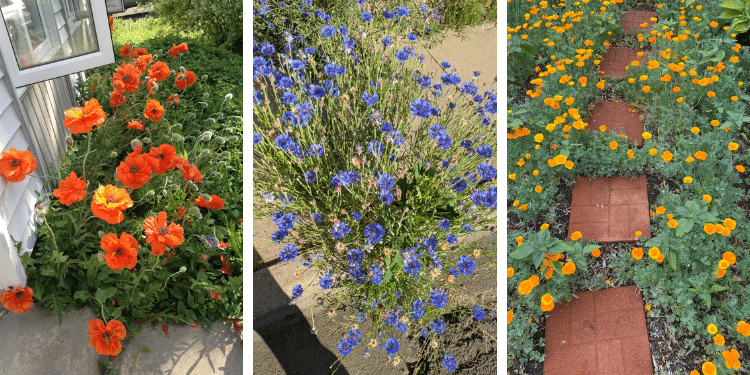
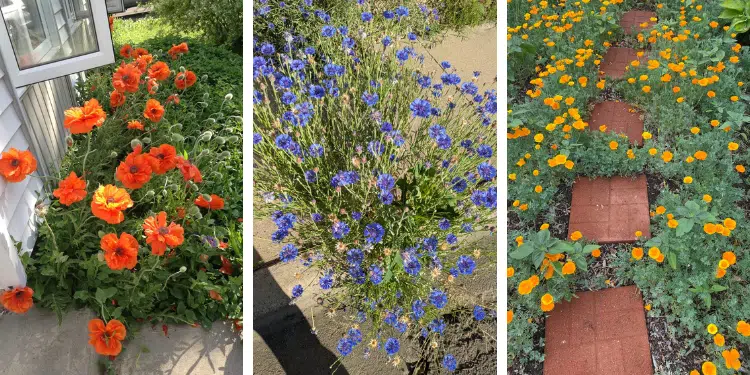
1. California Poppy
California poppies thrive when planted early. They prefer cool soil to establish roots before warm weather arrives.
February planting allows poppies to develop deep taproots, making them more drought-tolerant and longer blooming. Late planting often results in weak plants that fade quickly.
2. Cornflower (Bachelor’s Button)
Cornflowers are cold-hardy and germinate best in cool conditions. Sowing in February produces compact plants with strong stems.
Early planting leads to earlier blooms and a longer flowering season, especially in mild to moderate climates.
3. Larkspur
Larkspur seeds require cold exposure to germinate properly. February is one of the best months to sow them directly outdoors.
These tall, elegant wildflowers develop stronger stems and more flowers when exposed to winter conditions early on.
4. Poppies (Shirley and Iceland Types)
Most poppies dislike transplanting and should be direct-sown. February allows seeds to experience freeze–thaw cycles that improve germination.
Early-sown poppies bloom earlier, last longer, and handle spring temperature swings far better than late plantings.
5. Lupine
Lupine benefits greatly from early sowing. Cold soil helps soften seed coats naturally and improves germination rates.
Planting in February allows lupine to establish deep roots before warm weather, resulting in taller plants and heavier flower spikes.
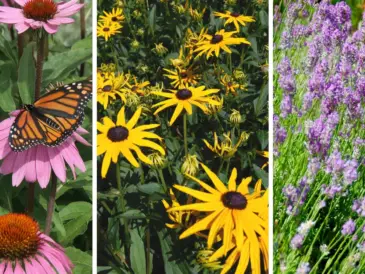
6. Black-Eyed Susan (Rudbeckia)
Black-eyed Susan seeds tolerate cold and benefit from early planting. February sowing helps them establish before summer heat.
These hardy wildflowers bloom more reliably and resist drought better when started early.
7. Blanket Flower (Gaillardia)
Blanket flower thrives when seeds are exposed to cool temperatures early. February planting leads to stronger plants with more intense color.
Early-established plants bloom longer and handle poor soils better.
8. Coreopsis
Coreopsis is a tough, adaptable wildflower that germinates well in cool soil. February sowing encourages compact growth and earlier flowering.
Early plants also attract pollinators sooner in the season, supporting bees and butterflies when food sources are limited.
9. Sweet Alyssum
Sweet alyssum germinates quickly even in cool conditions. February planting allows it to bloom very early in spring.
This makes it an excellent choice for early pollinator support and ground cover before other plants fill in.
10. Yarrow
Yarrow seeds benefit from cold stratification. February sowing improves germination and produces sturdier plants.
Early yarrow develops strong roots, blooms earlier, and spreads more evenly without becoming invasive too quickly.
11. Blue Flax
Blue flax prefers cool weather for establishment. February planting allows seedlings to emerge early and bloom before intense summer heat.
This results in longer-lasting flowers and healthier plants.
12. Verbena (Annual and Hardy Types)
Many verbena varieties benefit from early exposure to cool soil. February sowing improves germination and early growth.
Early-planted verbena blooms sooner and attracts pollinators throughout the season.
13. Clarkia
Clarkia is a spring-blooming wildflower that thrives when planted early. February sowing allows it to follow its natural growth cycle.
Late planting often shortens its bloom period significantly.
14. Phacelia (Lacy Phacelia)
Phacelia is a fast-growing wildflower known for attracting bees. February planting allows early establishment and earlier blooms.
This makes it one of the best wildflowers for early-season pollinator support.
15. Cosmos (In Mild Climates)
In regions with mild winters, cosmos can be planted in February. Early sowing results in sturdier plants and earlier blooms.
In colder climates, cosmos seeds may need protection, but they still benefit from early planting under cover.
How to Plant Wildflower Seeds in February
Wildflowers don’t need rich soil or complicated preparation. In fact, too much fertility often reduces flowering.
For best results:
- Clear existing weeds or debris
- Lightly rake the soil surface
- Scatter seeds evenly
- Press seeds into the soil (do not bury deeply)
- Water gently if soil is dry
Nature will handle the rest.
Should You Water Wildflower Seeds in February?
Usually, no.
Winter and early spring moisture is often sufficient. Overwatering can cause seeds to rot. Only water if conditions are unusually dry.
What to Expect After February Planting
Some seeds may germinate quickly, while others will wait until soil temperatures rise. This staggered emergence is normal and beneficial.
You may not see growth immediately – but below ground, roots are forming.
Common Mistakes to Avoid
- Burying seeds too deeply
- Adding fertilizer
- Using weed fabric underneath
- Overwatering
- Expecting instant results
Wildflowers reward patience.
Why February-Planted Wildflowers Perform Better
Wildflowers planted in February:
- Develop deeper roots
- Bloom earlier and longer
- Handle drought better
- Look more natural
- Require less maintenance
They follow nature’s timing, not an artificial schedule.
February is not too early – it’s exactly right for many wildflower seeds.
By planting now, you allow seeds to experience the conditions they evolved for, resulting in stronger, healthier, more resilient plants.