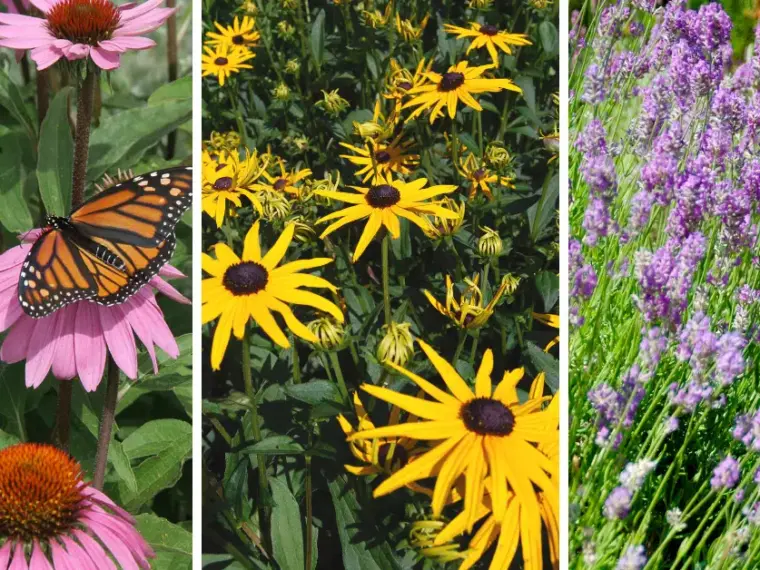
If your garden constantly struggles with wilting plants despite your best efforts, the issue might be low-quality soil.
While we all strive for rich, fertile ground, sometimes no amount of care or money seems to improve the situation.
Fortunately, there are plants that not only survive but flourish in poor soil conditions.
They add beauty and variety to your garden while requiring minimal maintenance – making them the perfect worry-free solution!
But First, What is Low-Quality Soil?
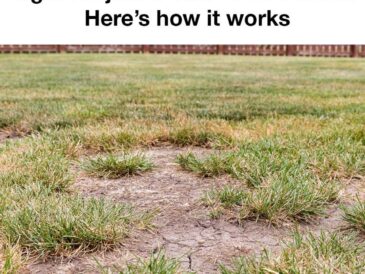
Soil type significantly impacts plant health and nutrient availability.
Here’s a quick breakdown:
- Sandy Soil drains water too quickly, making it difficult for plants to absorb necessary moisture and nutrients.
- Clay Soil retains too much water, leading to persistent puddles and poor drainage, which can suffocate plant roots.
- Loam Soil is the ideal balance – crumbly yet sticky when wet, holding moisture well while draining excess water efficiently.
If your garden has stubborn areas with poor soil, don’t worry! Below are 15 resilient plants that will thrive, even in challenging conditions.
1. Lavender
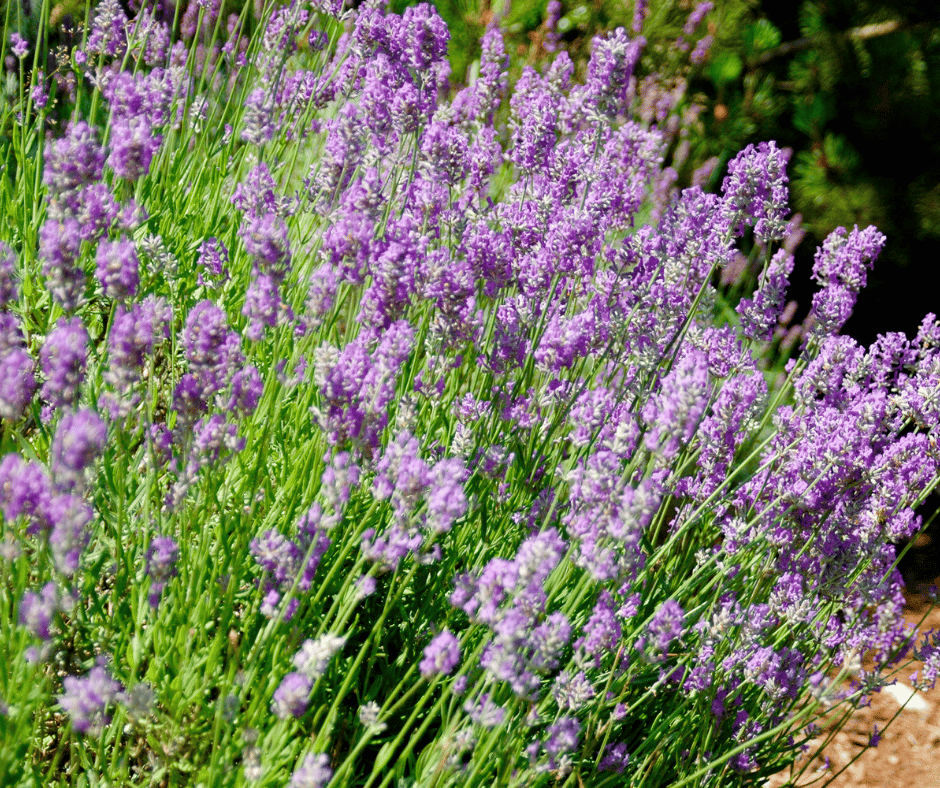
Best for: Dry, sandy, or rocky soil
Lavender is a hardy Mediterranean herb that thrives in dry, nutrient-poor soil. It prefers full sun and excellent drainage, making it perfect for sandy or rocky gardens.
Besides its beautiful purple blooms, lavender offers a soothing fragrance and can be used in teas, essential oils, and home remedies.
Care Tip: Avoid overwatering—lavender prefers to be a little neglected!
2. Foxtail Lilies (Eremurus)
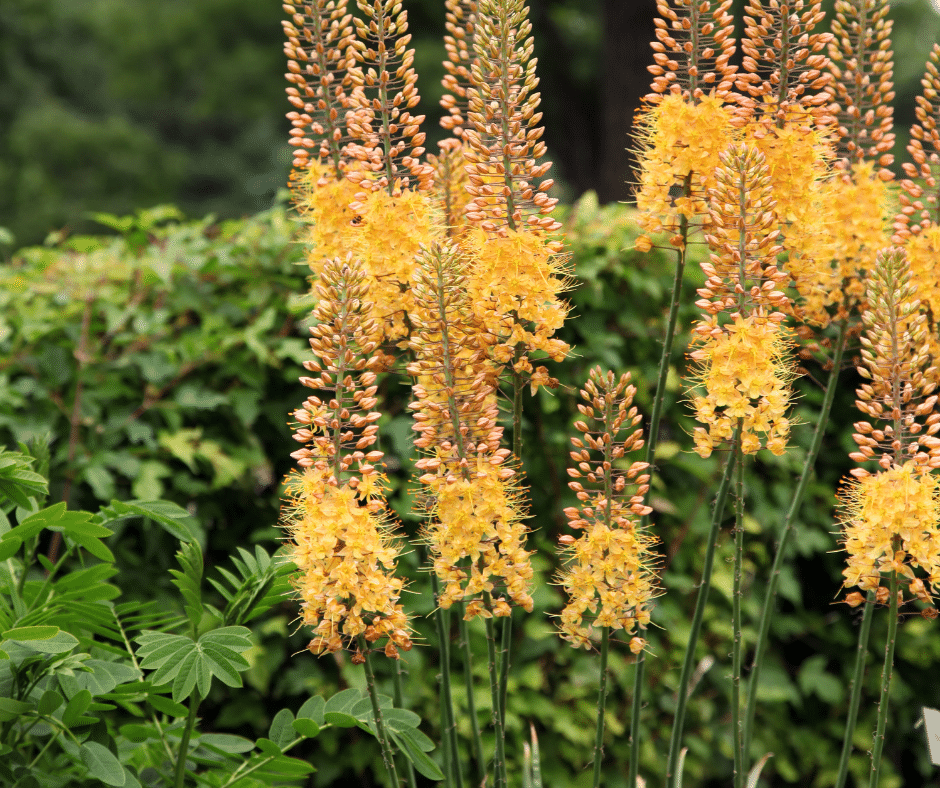
Best for: Well-draining, sandy, or loamy soil
Foxtail lilies are tall, elegant flowers that can grow up to 6 feet high, adding vertical interest to any garden.
Their deep roots help them withstand dry, poor soil, and once established, they require very little water.
Care Tip: Plant them in full sun and well-drained soil to prevent root rot.
3. Lettuce
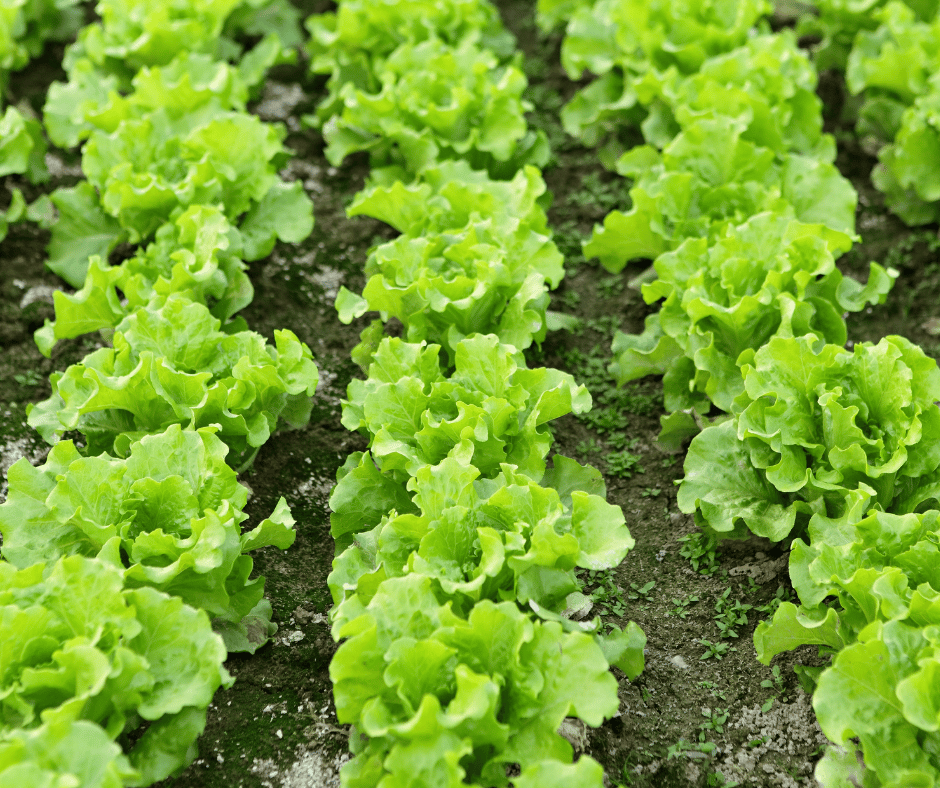
Best for: Clay soil with regular moisture
Lettuce grows surprisingly well in clay soil, which retains enough moisture to keep it hydrated. It’s a fast-growing crop that provides fresh, crisp leaves for salads in as little as 30 days.
Care Tip: Water regularly, especially in hot weather, to prevent bitterness.
4. Yarrow (Achillea)
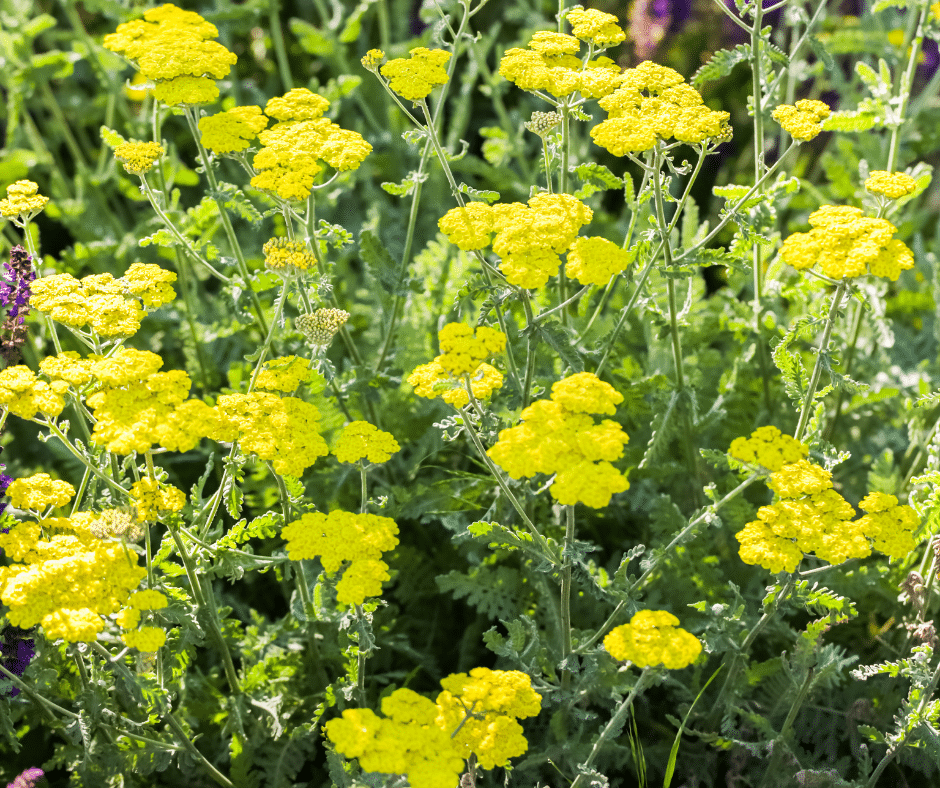
Best for: Sandy or dry soil
Yarrow is a hardy perennial known for its feathery leaves and clusters of colorful flowers.
It thrives in poor soil conditions and is incredibly drought-tolerant, making it a favorite for xeriscaping. It also attracts pollinators like bees and butterflies.
Care Tip: Deadhead spent blooms to encourage continuous flowering.
5. Perennial Sunflower (Helianthus)
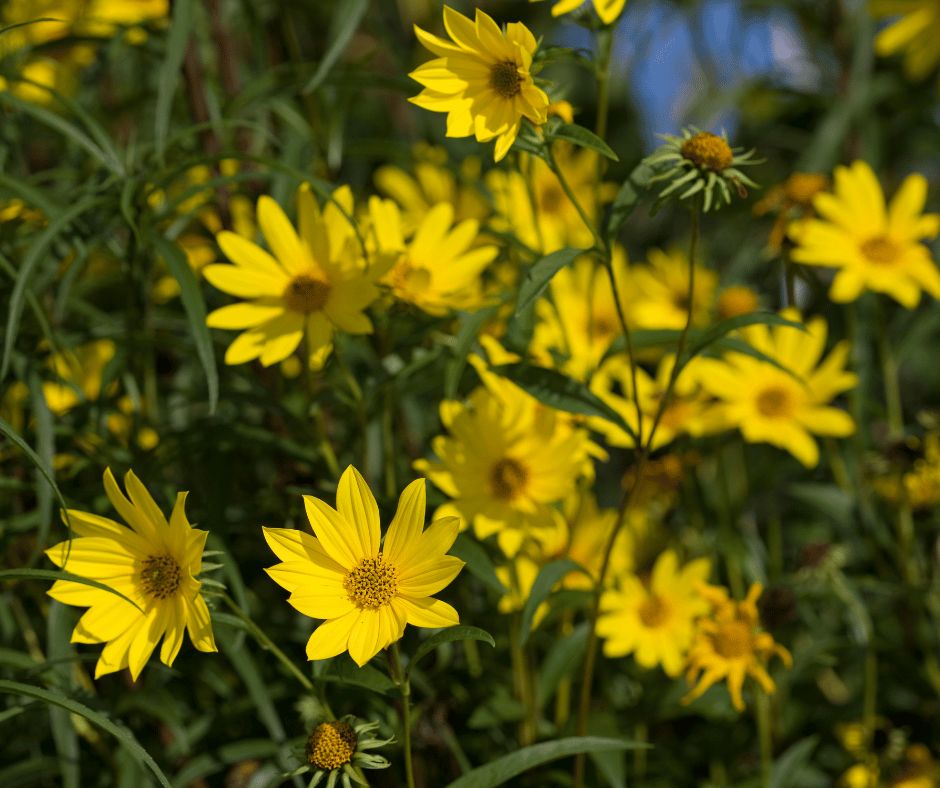
Best for: Heavy clay soil
Unlike annual sunflowers, perennial varieties like swamp sunflower (Helianthus angustifolius) thrive in nutrient-poor, compacted soil.
They grow tall, bright yellow blooms that attract birds and pollinators while requiring minimal care.
Care Tip: Provide plenty of sunlight for the best blooms.
6. Wild Bee Balm (Monarda fistulosa)
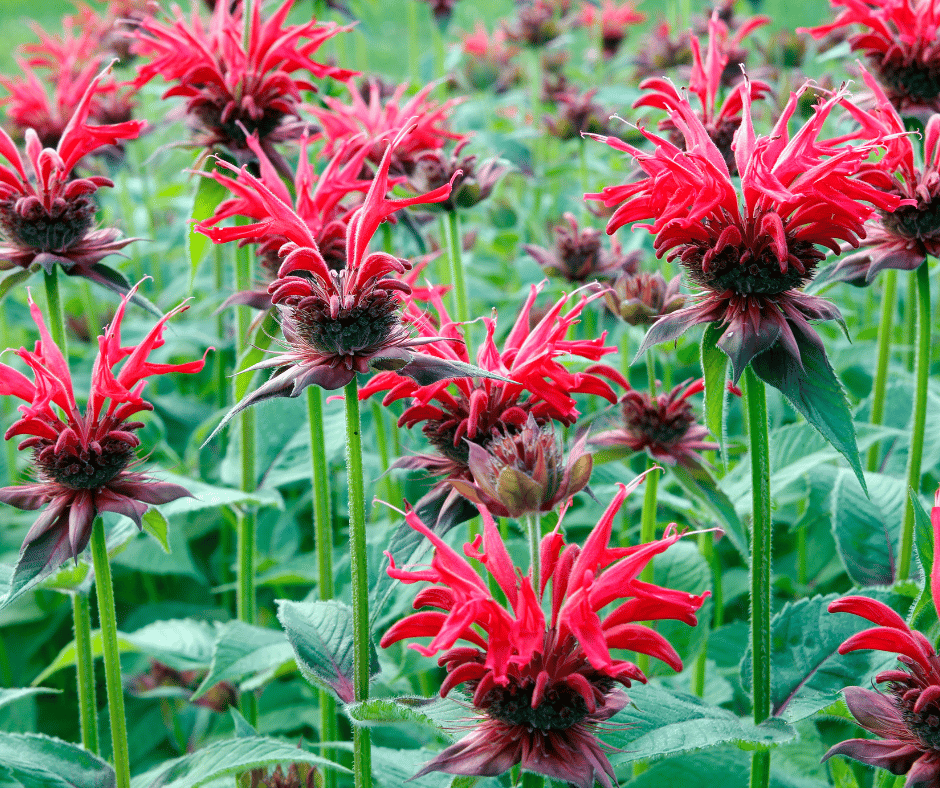
Best for: Dry, sandy, or loamy soil
Wild bee balm, also known as bergamot, is a member of the mint family with aromatic leaves and vibrant pink-purple flowers.
It’s drought-resistant and thrives in poor soil, making it an excellent choice for pollinator gardens.
Care Tip: Plant in full sun for the best fragrance and flower production.
7. Rose of Sharon (Hibiscus syriacus)
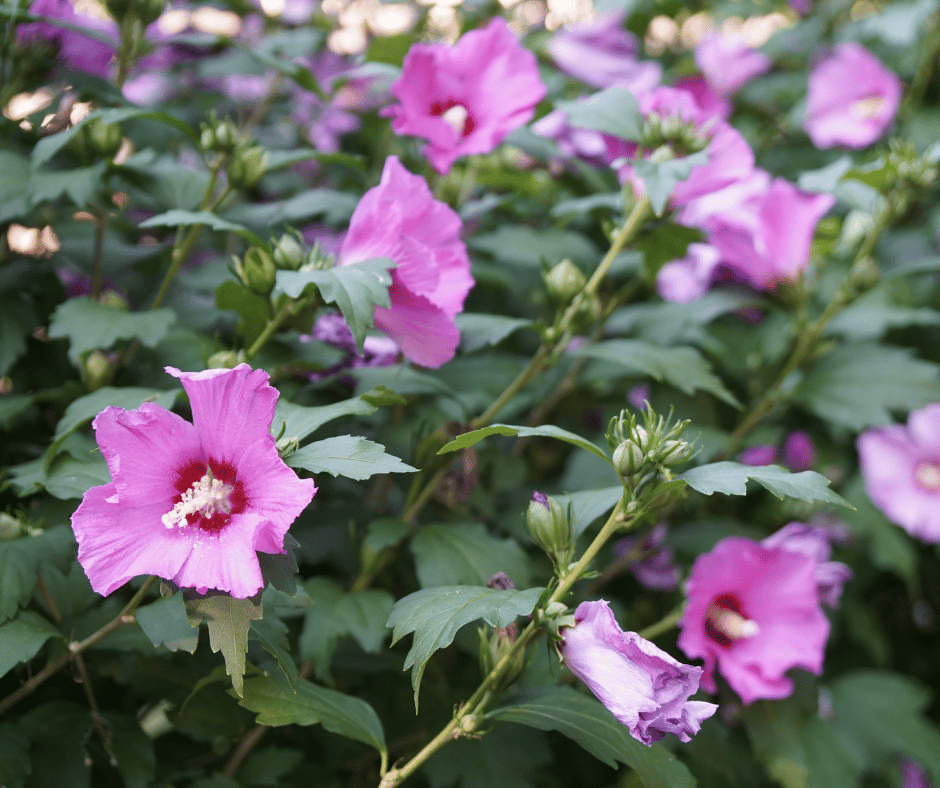
Best for: Sandy or well-drained soil
A hardy shrub with large, tropical-looking flowers, Rose of Sharon blooms in late summer and thrives in hot, dry conditions.
It’s resistant to most pests and diseases, making it a low-maintenance choice for poor soil areas.
Care Tip: Prune in early spring to maintain a tidy shape.
8. Bigleaf Periwinkle
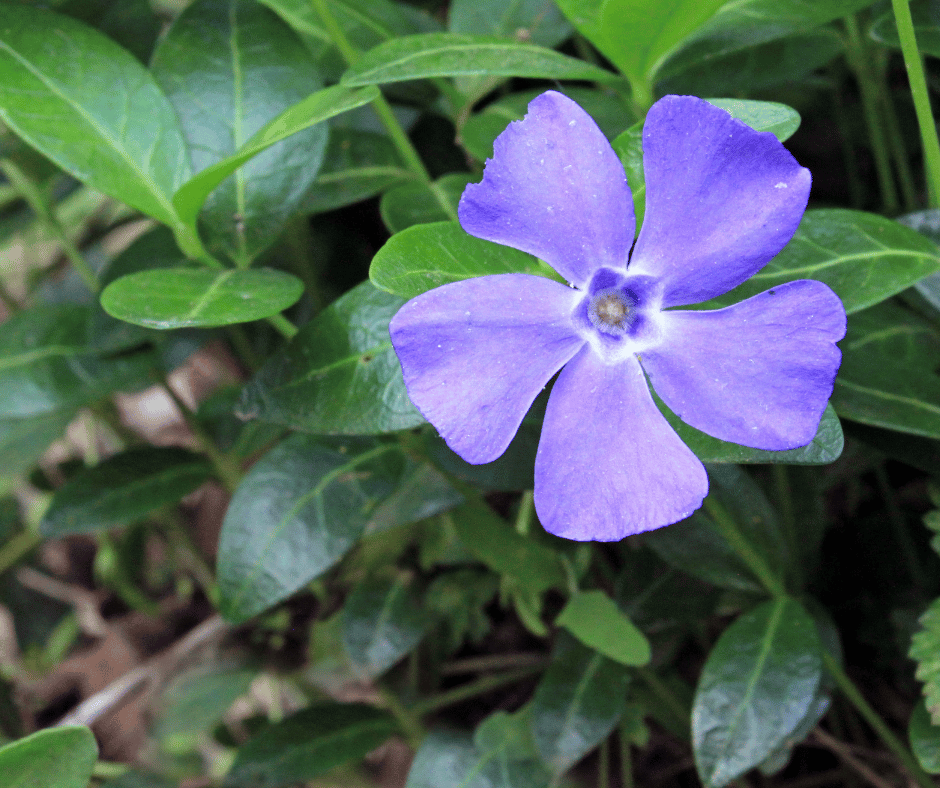
Best for: Heavy clay or compacted soil
This low-growing plant is a great ground cover for difficult areas. It spreads quickly and produces blue-violet flowers that add color to shady spaces.
Care Tip: Periwinkle can be invasive – plant it in controlled areas to prevent overgrowth.
9. Black-Eyed Susan (Rudbeckia Hirta)
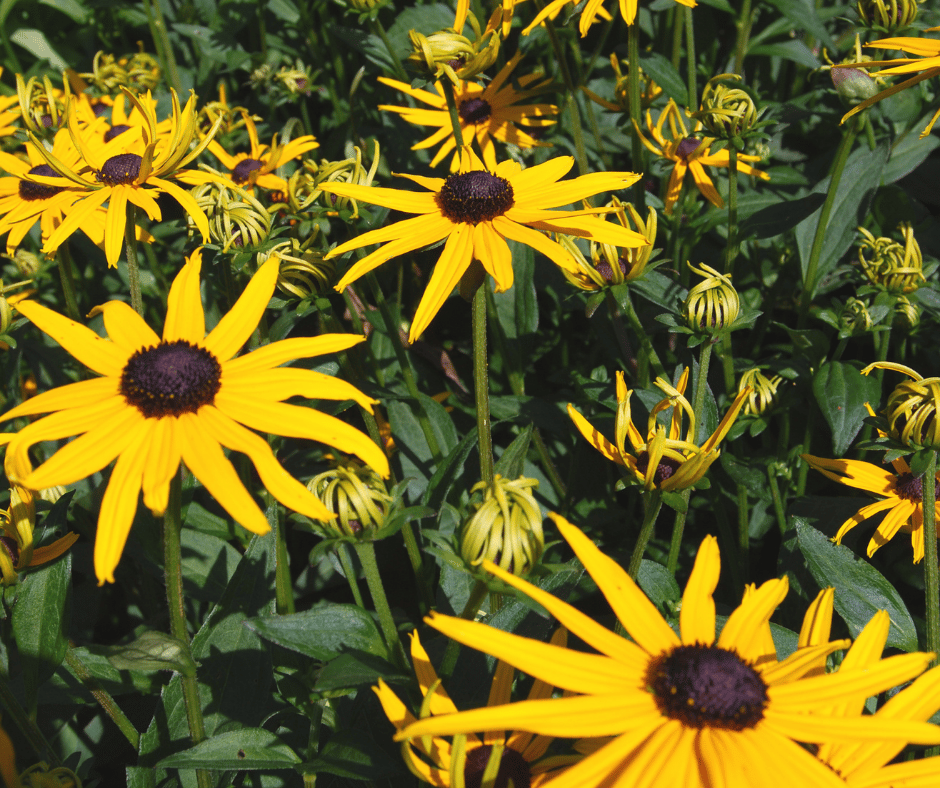
Best for: Poor, dry soil or clay
A favorite among wildflowers, Black-Eyed Susans thrive in almost any soil type, including heavy clay. They are drought-resistant and attract pollinators, making them great for low-maintenance gardens.
Care Tip: Remove spent flowers to extend the blooming season.
10. Butterfly Weed (Asclepias tuberosa)
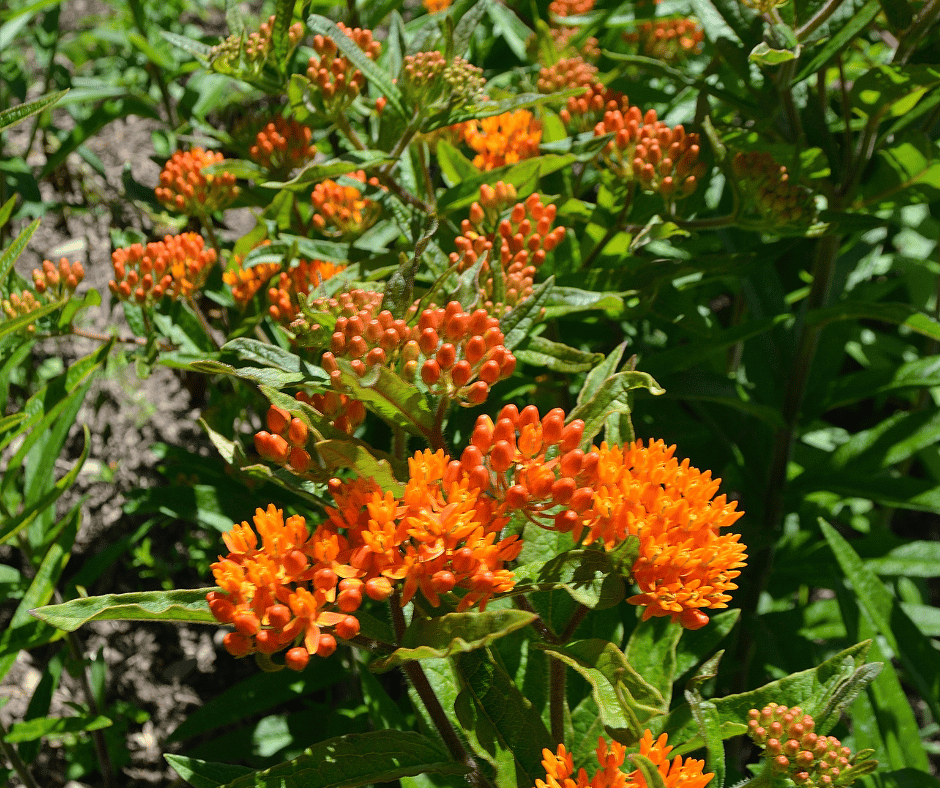
Best for: Dry, sandy soil
This bright orange flower is a must-have for attracting monarch butterflies! As a native milkweed species, it thrives in poor soil with minimal watering.
Care Tip: Avoid fertilizers—too much richness in the soil can reduce flower production.
11. Cup Plant
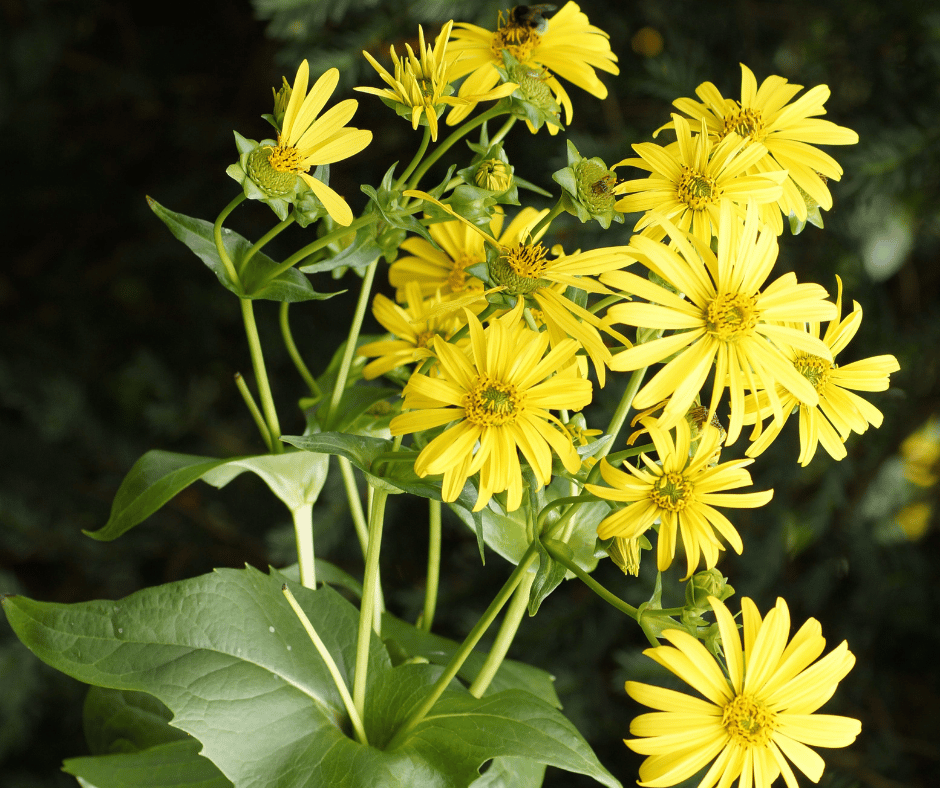
Best for: Moist clay soil
With tall stems and yellow daisy-like flowers, cup plants attract bees and birds. They grow well in rich, wet clay soils and provide food and shelter for wildlife.
Care Tip: These plants can grow over 8 feet tall—plant them in a spacious area!
12. New York Ironweed (Vernonia noveboracensis)
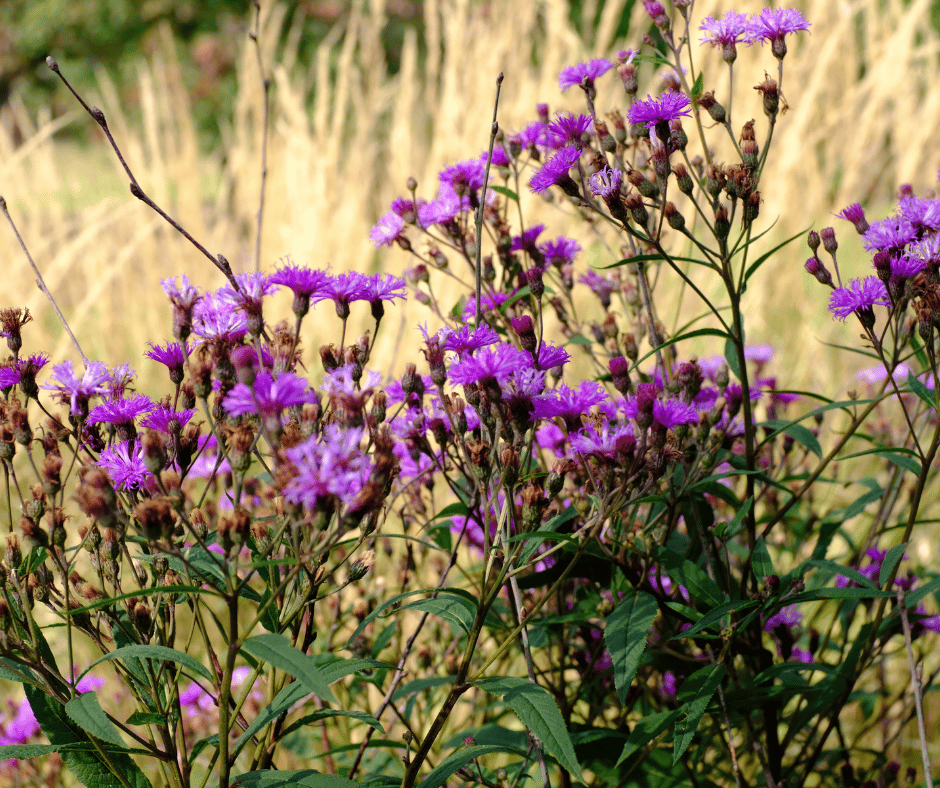
Best for: Wet, clay-heavy soil
New York Ironweed produces clusters of vibrant purple flowers and is highly tolerant of wet, compacted conditions. It’s an excellent choice for rain gardens and pollinator-friendly landscapes.
Care Tip: Give it full sun for the best blooms.
13. Autumn Joy Sedum
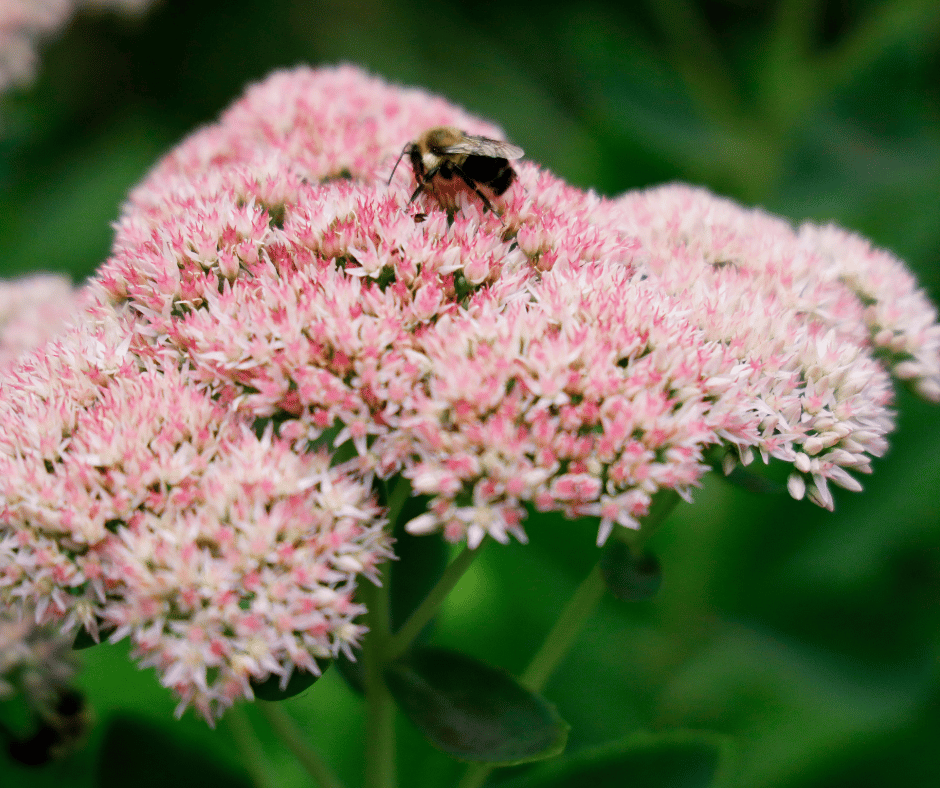
Best for: Dry, rocky, or sandy soil
This hardy succulent thrives in dry, nutrient-poor soil and requires almost no maintenance. Its pink flowers turn to deep red in the fall, adding year-round beauty to your garden.
Care Tip: Overwatering can cause root rot—water sparingly.
14. Tickseed (Coreopsis)
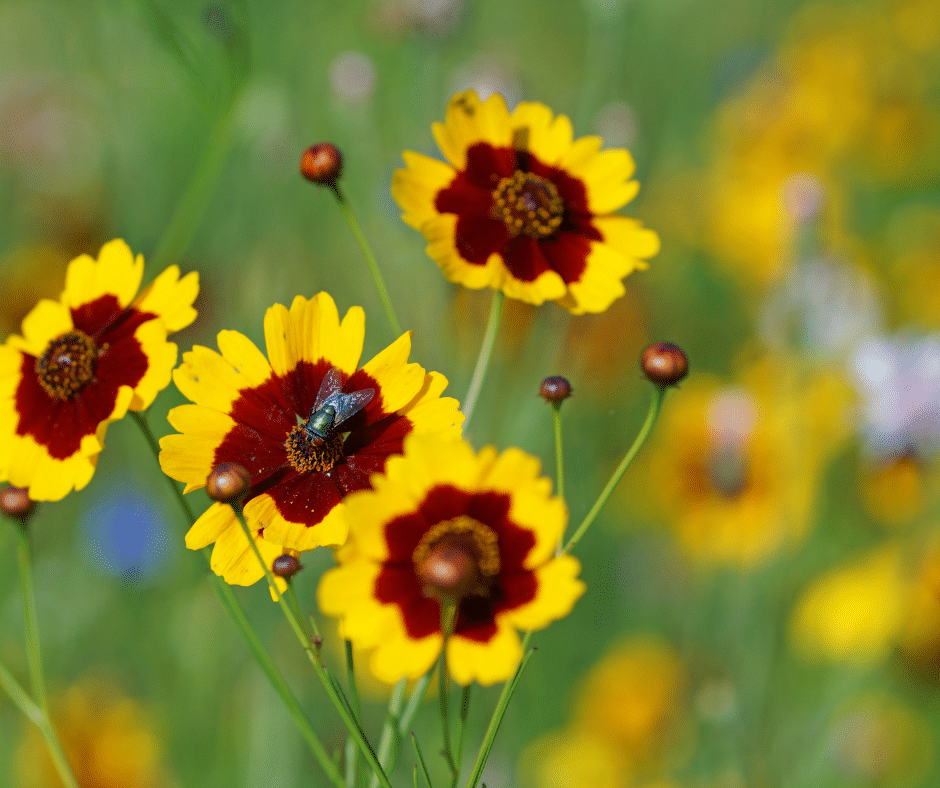
Best for: Sandy or well-drained soil
With long-lasting yellow flowers, tickseed is a drought-resistant plant that flourishes in low-quality soil. It attracts butterflies and requires little maintenance.
Care Tip: Full sun is key for the best flowering results.
15. Purple Coneflower (Echinacea purpurea)
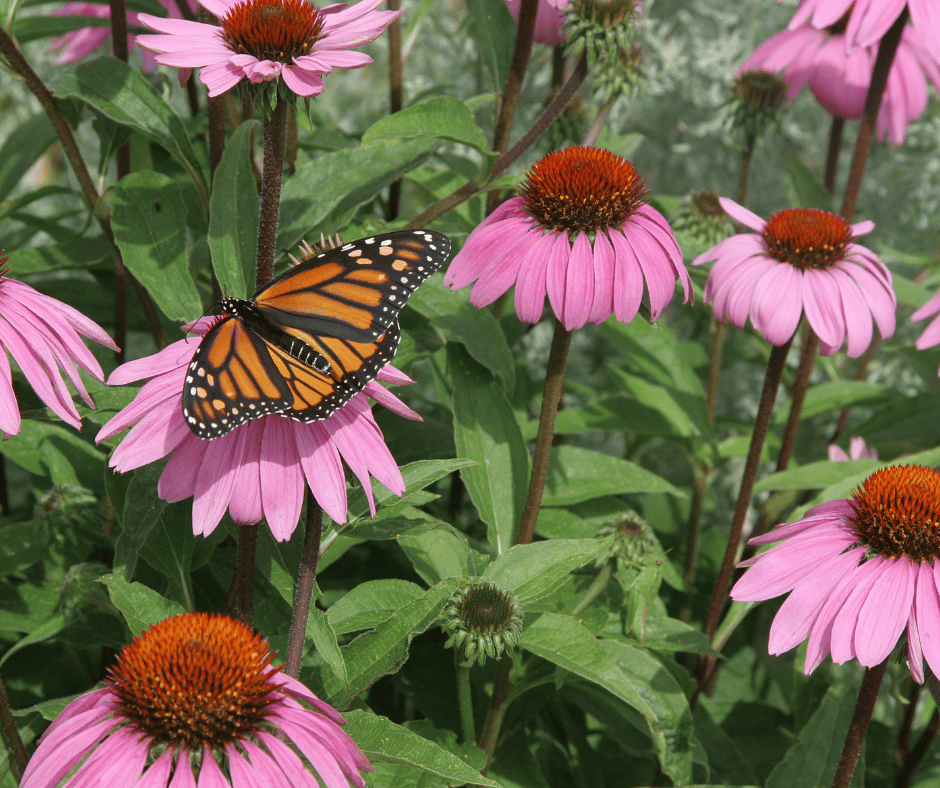
Best for: Dry, sandy soil
Purple coneflowers are a garden favorite, known for their resilience and medicinal properties. They thrive in poor soil and bloom from summer to fall, attracting bees and butterflies.
Care Tip: Once established, they require little watering and can tolerate drought well.
A struggling garden doesn’t mean you have to give up on growing beautiful plants! By choosing resilient species that naturally adapt to poor soil, you can create a vibrant, thriving landscape with minimal effort