As the cooler months approach, many gardeners begin tidying up their gardens, trimming back perennials and preparing for winter.
However, some perennials benefit from being left alone during the fall. Cutting them back too early can harm the plants, reduce their ability to thrive in the next growing season, and even prevent them from blooming altogether.
In this article, we’ll discuss 15 perennials you should leave standing over winter and the reasons why these plants are better left untouched until spring.
1. Coneflower (Echinacea)
Coneflowers are a favorite among gardeners for their vibrant, daisy-like flowers and ability to attract pollinators. Leaving them standing in the fall provides a food source for birds, as the seed heads offer a natural snack during the winter months.
- Why Not to Cut Back: The seed heads feed birds, and the dried stems add winter interest to your garden.
- When to Cut Back: Cut back in early spring when new growth begins to emerge.
2. Black-Eyed Susan (Rudbeckia)
Similar to coneflowers, black-eyed Susans have attractive seed heads that provide food for birds and add structure to your winter garden. The foliage also offers a habitat for beneficial insects.
- Why Not to Cut Back: Seed heads are a vital food source for birds, and the stems offer winter protection for insects.
- When to Cut Back: Trim back in early spring before new shoots appear.
3. Coral Bells (Heuchera)
Coral bells have evergreen or semi-evergreen foliage, depending on the climate. Their colorful leaves provide winter interest and protect the plant’s crown from freezing temperatures.
- Why Not to Cut Back: Cutting back coral bells in the fall can expose the crown to cold damage and reduce winter protection.
- When to Cut Back: Remove old or damaged leaves in early spring as new growth starts.
4. Russian Sage (Perovskia atriplicifolia)
Russian sage’s silvery stems and feathery foliage add a beautiful texture to your winter garden. Leaving the plant standing helps protect the crown and prevents moisture from seeping in, which can cause root rot.
- Why Not to Cut Back: Leaving the stems intact over winter prevents root rot and provides insulation.
- When to Cut Back: Prune in early spring when new growth appears.
5. Bee Balm (Monarda)
Bee balm is prone to mildew, so it’s best to avoid cutting it back in the fall when damp weather can encourage fungal growth. Its seed heads also attract birds and add winter interest.
- Why Not to Cut Back: Cutting back too early can expose the plant to mildew and reduce winter habitat for insects and birds.
- When to Cut Back: Trim back in early spring after frost danger has passed.
6. Garden Phlox (Phlox paniculata)
Garden phlox can be prone to disease, but leaving it standing through the winter helps provide structure and habitat for beneficial insects. Cutting it back in the fall can expose it to harsh winter conditions.
- Why Not to Cut Back: Leaving stems intact offers winter protection and reduces the risk of disease.
- When to Cut Back: Cut back in early spring, removing old stems and cleaning up the area around the plant.
7. Bleeding Heart (Dicentra spectabilis)
Bleeding hearts go dormant in late summer or fall, and their foliage naturally dies back. Leaving it in place helps protect the crown from frost and snow, ensuring it remains healthy for the next growing season.
- Why Not to Cut Back: Allowing the foliage to decompose naturally provides insulation for the roots.
- When to Cut Back: Remove dead foliage in early spring before new growth emerges.
8. Stonecrop (Sedum spp.)
Sedums, like Autumn Joy, have thick, fleshy stems that hold up well throughout winter. Their dried flower heads provide structure and visual interest to your garden during the colder months.
- Why Not to Cut Back: Sedums add winter interest and can tolerate cold weather without protection.
- When to Cut Back: Cut back in spring before new growth begins.
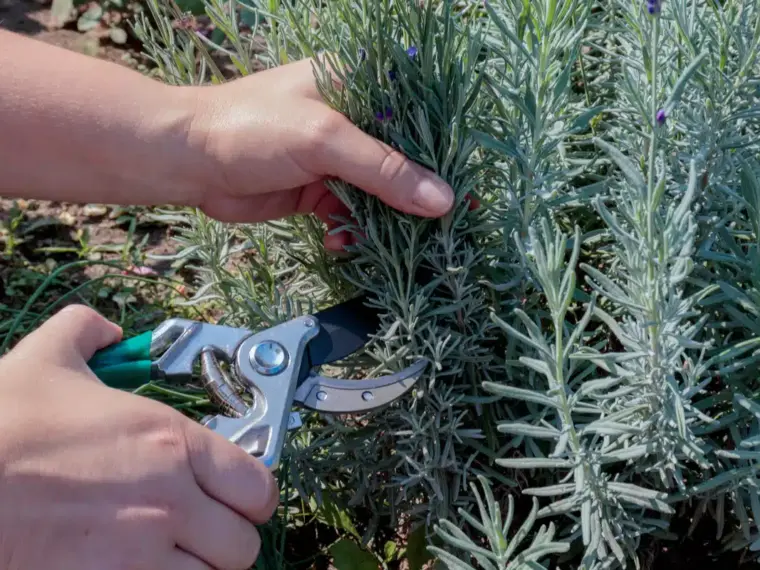
9. Lavender (Lavandula)
Lavender doesn’t respond well to heavy pruning, especially in fall. Cutting it back can leave it vulnerable to winter dieback, particularly in colder climates.
- Why Not to Cut Back: Pruning in fall can damage the plant and reduce its cold tolerance.
- When to Cut Back: Trim back lightly in early spring after new growth appears.
10. Japanese Anemone (Anemone hupehensis)
Japanese anemones have delicate, fibrous roots that can suffer from frost heaving if cut back too soon. Leaving them intact helps protect the roots and crown over winter.
- Why Not to Cut Back: Cutting back can increase the risk of root damage from frost heaving.
- When to Cut Back: Prune back in early spring when new growth is visible.
11. Hellebore (Helleborus)
Hellebores bloom in late winter or early spring, and their evergreen foliage protects the buds from cold temperatures. Cutting them back in the fall can damage the developing blooms.
- Why Not to Cut Back: Protects new flower buds and provides winter foliage.
- When to Cut Back: Prune in early spring, removing any damaged or diseased leaves.
12. Cardinal Flower (Lobelia cardinalis)
Cardinal flowers are sensitive to winter conditions and benefit from the protection their foliage provides. Cutting back the plant can expose it to frost damage and reduce its chances of returning in spring.
- Why Not to Cut Back: Helps insulate the crown and protect roots from freezing temperatures.
- When to Cut Back: Trim back in early spring when the ground starts to thaw.
13. Hardy Geranium (Geranium spp.)
Hardy geraniums have delicate root systems that benefit from the insulation of dead foliage over winter. Cutting back the plant too soon can expose the roots to cold damage.
- Why Not to Cut Back: Leaving foliage intact provides root protection and prevents frost heaving.
- When to Cut Back: Prune in early spring to make way for new growth.
14. Brunnera (Brunnera macrophylla)
Brunnera, also known as Siberian bugloss, has large, heart-shaped leaves that add texture to your garden. Leaving the foliage in place helps protect the plant’s crown over winter.
- Why Not to Cut Back: The foliage provides winter protection for the plant’s crown and roots.
- When to Cut Back: Trim back dead leaves in early spring as new growth begins.
15. Astilbe (Astilbe spp.)
Astilbe’s airy flower plumes provide texture and interest to the winter garden. Cutting back the plant in the fall can expose the roots and crown to frost damage.
- Why Not to Cut Back: The foliage offers insulation and protects the roots from winter damage.
- When to Cut Back: Remove dead foliage in early spring before new growth emerges.
While it’s tempting to cut back all your perennials in the fall to create a tidy garden, it’s important to leave certain plants standing to protect them from harsh winter conditions and to provide habitat for birds and beneficial insects.