March is one of the most powerful months in the gardening calendar. While many gardeners wait for warmer temperatures, early spring is actually one of the best times to plant hardy native species.
Cool soil, consistent rainfall, and mild temperatures create ideal conditions for root establishment.
Planting native plants in March gives them a head start before summer heat arrives – and more importantly, it strengthens your local ecosystem.
Native plants evolved alongside local insects, birds, and soil microbes. They provide food, shelter, nectar, pollen, and nesting sites that non-native ornamentals often fail to offer.
Why March Is the Ideal Time to Plant Native Species
Early spring planting offers several advantages:
- Cool soil encourages strong root growth
- Natural rainfall reduces irrigation needs
- Reduced transplant stress
- Earlier establishment before summer drought
- Immediate habitat for emerging pollinators
Native plants planted in March often outperform those planted in late spring or summer because they focus on root development first.
1. Eastern redbud
Eastern redbud is a small understory tree known for its vivid pink blossoms that appear before the leaves emerge. Because it blooms so early, it provides one of the first nectar sources for emerging native bees.
Why March planting works: Redbuds leaf out early, so planting before full foliage develops minimizes transplant shock. Cool soil supports strong root expansion before top growth accelerates.
Growing tips: Plant in well-drained soil. Redbud tolerates partial shade but blooms best in full sun. Avoid waterlogged areas. Mulch lightly to conserve moisture but keep mulch away from the trunk.
Wildlife impact: Supports specialist native bees and offers seed pods that provide minor bird value.
2. Serviceberry
Serviceberry is a multi-season native tree with spring flowers, edible summer berries, and brilliant fall foliage.
Why March planting works: Planting while dormant allows roots to establish before flowering intensifies. Early planting ensures stronger berry production in future seasons.
Growing tips: Prefers full sun for best fruiting but tolerates light shade. Moderate moisture is ideal. Prune lightly after flowering to maintain structure.
Wildlife impact: Berries are highly valued by birds such as robins and cedar waxwings. Flowers support early pollinators.
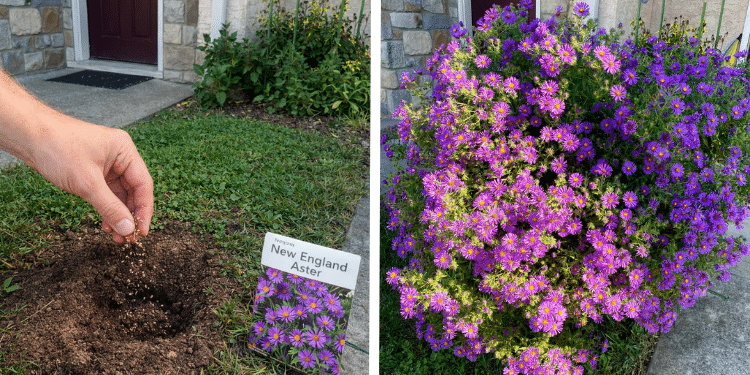
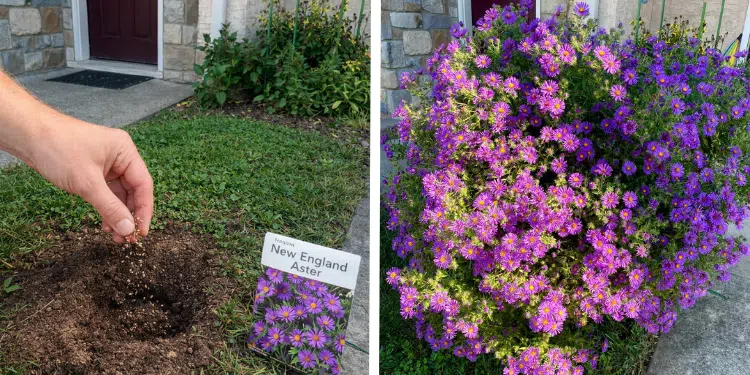
3. New England aster
This late-blooming perennial is critical for pollinators preparing for migration or winter dormancy.
Why March planting works: Asters benefit from early root establishment before producing tall summer stems.
Growing tips: Full sun produces the strongest blooms. Pinch back in early summer to prevent legginess. Divide every few years to maintain vigor.
Wildlife impact: Provides late-season nectar for monarch butterflies and native bees.
4. Blazing star
Blazing star grows from corms and produces vertical purple flower spikes.
Why March planting works: Corms prefer cool soil during initial establishment. Early planting improves summer bloom strength.
Growing tips: Requires full sun and well-drained soil. Avoid overwatering. Does well in prairie-style plantings.
Wildlife impact: Attracts butterflies and is especially loved by monarchs.
5. Coneflower
Coneflowers are drought-resistant and long-lived once established.
Why March planting works: Their deep taproot begins developing immediately in cool soil, preparing them for summer drought.
Growing tips: Avoid rich soil; too much fertility reduces bloom quality. Deadhead for extended flowering or leave seed heads for birds.
Wildlife impact: Feeds goldfinches and supports a wide range of pollinators.
6. Milkweed
Milkweed is essential for monarch butterfly reproduction.
Why March planting works: Milkweed establishes best before butterfly season begins.
Growing tips: Choose species native to your region. Full sun is required. Avoid disturbing roots once established.
Wildlife impact: Host plant for monarch caterpillars. Flowers attract bees and butterflies.
7. Wild columbine
Wild columbine thrives in partial shade and cooler conditions.
Why March planting works: Prefers cool temperatures during establishment.
Growing tips: Plant in well-drained soil. Allow some self-seeding for naturalized areas.
Wildlife impact: Early nectar source for hummingbirds.
8. Goldenrod
Goldenrod is often misunderstood but is a powerhouse pollinator plant.
Why March planting works: Early root growth ensures strong fall blooms.
Growing tips: Full sun preferred. Some varieties spread aggressively, so choose clumping types for smaller gardens.
Wildlife impact: Supports dozens of native bee species and provides fall nectar.
9. Red chokeberry
A hardy shrub with multi-season value.
Why March planting works: Cool planting reduces stress and supports early root development.
Growing tips: Tolerates wet soils better than many shrubs. Prune after flowering if needed.
Wildlife impact: Persistent berries provide winter food for birds.
10. Ninebark
Ninebark is adaptable and resilient.
Why March planting works: Early planting allows root systems to settle before leaf expansion.
Growing tips: Thrives in full sun to partial shade. Minimal fertilizer needed.
Wildlife impact: Flowers attract pollinators; dense branching offers bird shelter.
11. Coral honeysuckle
A non-invasive vine that attracts hummingbirds.
Why March planting works: Early root development supports rapid climbing growth in summer.
Growing tips: Provide sturdy support. Prune lightly after bloom.
Wildlife impact: Nectar-rich flowers feed hummingbirds and bees.
12. Phlox
Native phlox varieties provide spring color.
Why March planting works: Cool soil reduces transplant shock.
Growing tips: Ensure good air circulation to prevent mildew. Prefers consistent moisture.
Wildlife impact: Attracts butterflies and beneficial insects.
13. Switchgrass
Switchgrass is a deep-rooted native grass.
Why March planting works: Roots begin penetrating deeply before summer.
Growing tips: Full sun required. Cut back in late winter before new growth emerges.
Wildlife impact: Provides nesting cover and winter habitat.
14. Wild bergamot
Wild bergamot produces aromatic foliage and lavender blooms.
Why March planting works: Establishes rhizomes before peak bloom season.
Growing tips: Good air circulation reduces powdery mildew risk.
Wildlife impact: Highly attractive to bees and butterflies.
15. Black-eyed Susan
A hardy, adaptable perennial.
Why March planting works: Cool weather promotes root growth before summer flowering.
Growing tips: Thrives in full sun. Deadhead to extend blooms or leave seeds for birds.
Wildlife impact: Provides nectar for pollinators and seeds for birds.
Why Early Root Establishment Matters
When planted in March, native plants prioritize root growth over top growth. This creates:
• Greater drought tolerance
• Improved nutrient uptake
• Reduced transplant stress
• Longer lifespan
• Stronger flowering cycles
Native plants planted early are better equipped to handle summer extremes.
Putting native plants in the ground this March is an investment in long-term ecological health. Each tree, shrub, perennial, and grass strengthens the local food web.
With proper placement, good drainage, and early planting, these native species will not only thrive – they will actively support birds, pollinators, and beneficial insects for years to come.