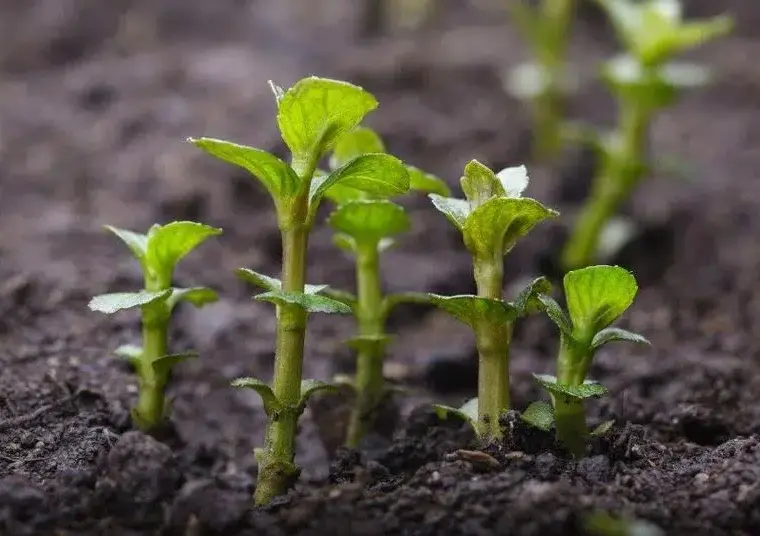
If you’ve ever gazed at a shady corner of your yard and thought, “Nothing edible will ever grow there,” think again! Shade doesn’t have to mean a lifeless garden. In fact, there’s a diverse array of herbs that thrive in partial to full shade.
These herbs not only tolerate low-light conditions but often prefer it, especially in regions with scorching summers where full sun can be too intense.
Why Grow Herbs in the Shade?
Shade gardens come with a host of benefits:
- Cooler temperatures protect delicate herbs from burning in the summer heat.
- Many shade herbs stay lush and green longer, resisting bolting.
- Shady spots help retain moisture, reducing watering needs.
- Shaded herbs add life and fragrance to otherwise overlooked parts of your garden.
Plus, many of these herbs are perfect for containers, making them ideal for balconies, shaded patios, or north-facing windowsills.
Let’s dig into your best options!
1. Mint (Mentha spp.)
Light Needs: Partial shade to full shade
Soil: Moist, fertile, well-drained
Few herbs are as shade-tolerant – or as vigorous – as mint. It actually prefers some protection from the intense midday sun, especially in hotter climates.
Why Grow It:
- Delicious in teas, cocktails, desserts, and savory dishes.
- Natural insect repellent around patios.
- Lovely aromatic foliage.
Warning: Plant mint in pots to keep it from taking over your garden!
2. Parsley (Petroselinum crispum)
Light Needs: Partial shade
Soil: Moist, fertile soil
Parsley grows beautifully in partial shade, staying greener and sweeter than in harsh sun. In hot regions, a bit of shade helps prevent early bolting.
Why Grow It:
- Versatile garnish and flavor booster in countless dishes.
- Rich in vitamins A, C, and K.
- Biennial but often grown as an annual for the best leaf production.
Harvest regularly to keep plants compact and productive.
3. Chives (Allium schoenoprasum)
Light Needs: Partial shade
Soil: Moist, fertile, well-drained
Chives thrive in partial shade and produce elegant purple blossoms that attract pollinators.
Why Grow It:
- Mild onion flavor perfect for topping potatoes, eggs, and dips.
- Beautiful edible flowers.
- Easy to grow in pots or garden beds.
Cut often to encourage fresh growth.
4. Cilantro (Coriandrum sativum)
Light Needs: Partial shade
Soil: Well-drained, consistently moist
Cilantro bolts quickly in heat, so partial shade can extend your harvest. It thrives in cool weather and benefits from lower light in warm climates.
Why Grow It:
- Essential for Mexican, Indian, and Thai cuisines.
- Fresh leaves and seeds (coriander) are both culinary treasures.
- Grows quickly from seed.
Plant successive crops for a continuous supply.
5. Lemon Balm (Melissa officinalis)
Light Needs: Partial to full shade
Soil: Moist, well-drained
This sweet herb belongs to the mint family and has a gentle lemon scent. Lemon balm flourishes in shady spots and can become invasive in full sun.
Why Grow It:
- Delicious for herbal teas.
- Lovely lemony aroma deters pests.
- Attractive bright green foliage.
Grow in containers to keep it under control.
6. Sorrel (Rumex acetosa)
Light Needs: Partial shade
Soil: Moist, fertile, well-drained
Sorrel is a leafy perennial with a tangy lemon flavor. Partial shade keeps the leaves tender and prevents them from becoming too bitter.
Why Grow It:
- Adds a bright, citrusy zing to salads and soups.
- Highly nutritious – rich in vitamins and minerals.
- Grows back year after year.
Harvest young leaves for the best taste.
7. Sweet Woodruff (Galium odoratum)
Light Needs: Full shade
Soil: Moist, humus-rich, well-drained
Sweet woodruff thrives in the deepest shade, making it perfect for woodland gardens.
Why Grow It:
- Lovely ground cover with delicate white blooms.
- Used traditionally to flavor May wine in Germany.
- Pleasant scent reminiscent of fresh hay when dried.
Spreads gently to create lush carpets under trees.
8. Lovage (Levisticum officinale)
Light Needs: Partial shade
Soil: Rich, moist soil
Lovage is a towering perennial herb with a bold celery-like flavor. Partial shade helps it stay lush during summer heat.
Why Grow It:
- All parts (leaves, stems, seeds) are edible.
- Wonderful addition to soups, stocks, and stews.
- Tall plants add vertical interest to shady garden areas.
Regular harvesting prevents it from becoming too leggy.
9. Tarragon (Artemisia dracunculus)
Light Needs: Partial shade
Soil: Well-drained, fertile soil
French tarragon thrives in partial shade, particularly in regions with intense sun.
Why Grow It:
- Distinctive anise-like flavor used in French cooking.
- Key ingredient in Béarnaise sauce and herb vinegars.
- Aromatic foliage deters some insect pests.
Grow from cuttings for the true French variety.
10. Feverfew (Tanacetum parthenium)
Light Needs: Partial shade
Soil: Well-drained, average soil
Feverfew grows happily in partial shade and adds charming daisy-like flowers to your herb garden.
Why Grow It:
- Traditionally used in herbal medicine for headaches.
- Attracts beneficial insects.
- Lovely ornamental plant for borders.
Caution: Consult a professional before medicinal use.
11. Wild Ginger (Asarum canadense)
Light Needs: Full shade
Soil: Moist, humus-rich soil
Wild ginger is not the culinary ginger used in Asian cuisine but has similar aromatic rhizomes.
Why Grow It:
- Gorgeous ground cover for deeply shaded gardens.
- Historically used as a flavoring and medicinal plant.
- Beautiful heart-shaped leaves.
Perfect for shady woodland gardens.
12. Thyme (Thymus vulgaris)
Light Needs: Partial shade
Soil: Well-drained, sandy soil
Thyme tolerates partial shade, especially in hot climates where strong sun can scorch its leaves.
Why Grow It:
- Essential herb for Mediterranean cooking.
- Lovely fragrance and small flowers that attract bees.
- Excellent in containers or rock gardens.
Trim often to keep plants compact and bushy.
13. Oregano (Origanum vulgare)
Light Needs: Partial shade
Soil: Well-drained, average soil
Oregano can handle partial shade, although full sun intensifies its oils and flavor.
Why Grow It:
- Staple herb in Italian, Greek, and Mexican cuisines.
- Grows well in containers or garden beds.
- Attracts pollinators and beneficial insects.
Regular harvesting prevents it from becoming woody.
14. Salad Burnet (Sanguisorba minor)
Light Needs: Partial shade
Soil: Moist, well-drained soil
Salad burnet offers a mild cucumber flavor that thrives in cool, partially shaded spots.
Why Grow It:
- Crisp leaves for salads and sandwiches.
- Long-lasting perennial.
- Attractive lacy foliage.
Cut back frequently to encourage tender new growth.
15. Wasabi (Wasabia japonica)
Light Needs: Full shade
Soil: Cool, moist, rich soil
The genuine wasabi plant naturally grows along cool, shaded mountain streams in Japan. It’s one of the trickiest herbs to cultivate but incredibly rewarding for adventurous gardeners.
Why Grow It:
- Authentic wasabi paste for sushi and sashimi.
- Rare and valuable culinary crop.
- Fascinating conversation piece for your garden.
Keep soil consistently moist and protect from sun and heat.
Tips for Growing Herbs in Shade
Shady herbs have different needs than sun-loving plants.
Here’s how to keep them thriving:
- Watering: Shady spots retain moisture longer, so reduce watering to prevent soggy soil.
- Soil Quality: Most shade herbs love rich, humus-filled soil.
- Airflow: Avoid crowding plants in shady corners to reduce fungal issues.
- Harvesting: Regular trimming keeps plants productive.
- Containers: Pots allow you to move herbs for better light or airflow.
Remember, even shade-loving herbs usually need at least a few hours of indirect or dappled light each day to stay healthy.
A shady garden doesn’t mean sacrificing flavor, fragrance, or beauty. These 15 shade-tolerant herbs prove that even dim corners can become vibrant, productive spaces.
From refreshing mint to exotic wasabi, there’s a world of culinary and ornamental possibilities waiting to transform your shady spots into lush herbal retreats.