There’s something powerful about planting flowers at just the right time. When soil begins to warm, daylight increases, and frost risk starts to decline, your garden enters a window of opportunity.
Planting the right flowers outdoors this month can set the stage for months of color, pollinator activity, and visual impact.
Whether you’re filling garden beds, containers, borders, or pollinator patches, choosing seasonally appropriate flowers ensures strong root establishment and healthier blooms.
Why Timing Matters When Planting Flowers
Planting flowers at the right time:
- Reduces transplant shock
- Encourages stronger root systems
- Extends bloom season
- Minimizes pest and disease pressure
- Improves drought tolerance later in summer
Most of the flowers listed here perform best when planted after the risk of hard frost has passed, or when soil temperatures have begun warming consistently.
Now let’s explore the best flowers to plant outdoors this month.
1. Petunias
Petunias are classic warm-season bloomers known for their intense color saturation and nonstop flowering. They are especially valuable for gardeners who want consistent visual impact in beds, borders, and containers.
When planted this month, petunias establish quickly as long as soil temperatures are consistently mild.
They prefer full sun and at least six hours of direct light daily. Without enough light, they become leggy and bloom less.
The most important factor with petunias is drainage. Their roots dislike soggy soil. Before planting, loosen the soil to about 20 cm deep and mix in compost only lightly. Overly rich soil can produce excess foliage instead of flowers.
Regular deadheading encourages new blooms and prevents energy from going into seed production.
In containers, petunias benefit from diluted fertilizer every two weeks because frequent watering leaches nutrients quickly.
2. Marigolds
Marigolds are hardy, adaptable, and excellent for beginners. They tolerate heat, uneven watering, and average soil conditions.
Planting marigolds this month allows them to develop sturdy stems before summer temperatures intensify. They prefer full sun and moderate watering.
Unlike some flowers, marigolds are not demanding about soil fertility. In fact, overly rich soil may reduce bloom production. A well-draining bed with moderate organic matter is ideal.
Their strong scent is believed to deter certain garden pests, making them popular companions in vegetable gardens.
Whether or not they directly repel pests, they do attract beneficial insects that help balance the garden ecosystem.
3. Zinnias
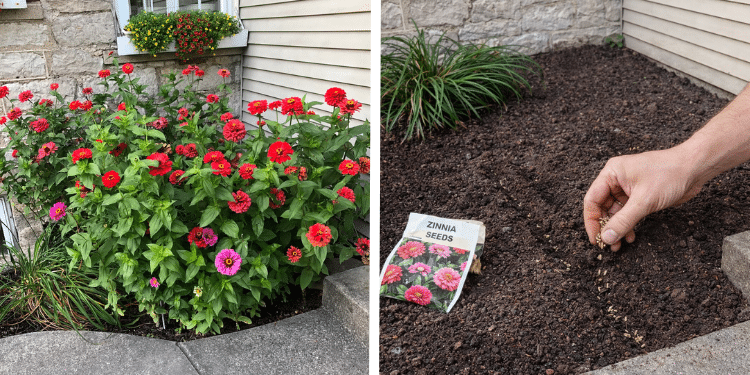
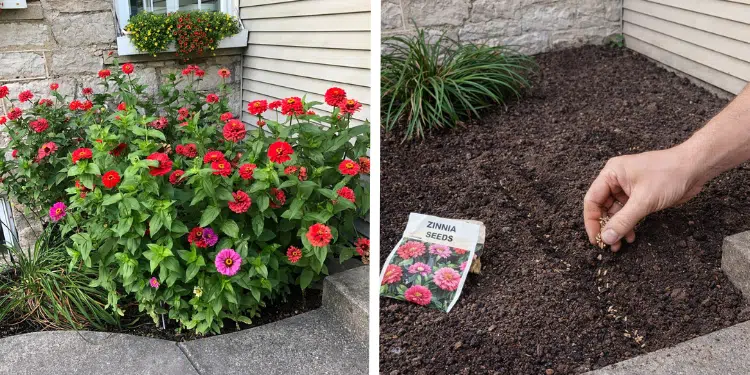
Zinnias are fast-growing and reward gardeners with bold blooms in nearly every color imaginable. They perform best when direct-sown into warming soil.
Good airflow is critical. Zinnias are susceptible to powdery mildew if planted too closely. Space them generously and avoid overhead watering.
They prefer lean soil rather than heavily fertilized beds. Excess nitrogen leads to tall plants with fewer flowers.
Once established, zinnias tolerate dry spells well. Cutting flowers frequently actually encourages more blooms, making them excellent for cut-flower gardens.
4. Cosmos
Cosmos thrive in soil that other plants may find too poor. Their feathery foliage and delicate flowers bring a soft, airy texture to garden beds.
They prefer full sun and minimal fertilization. In fact, too much fertility reduces flower production.
Cosmos are drought-tolerant once established. They self-seed easily, meaning they may return naturally next season.
Because of their tall, flexible stems, planting them in groups helps prevent wind damage.
5. Snapdragons
Snapdragons prefer cooler temperatures and can handle early-season planting. They bloom heavily in mild weather and may slow down in extreme heat.
They perform best in full sun to partial shade, depending on climate. In hotter regions, afternoon shade helps prolong blooming.
Pinching the top growth when plants are young encourages bushier growth and more flower spikes.
Snapdragons appreciate evenly moist soil but should never sit in waterlogged beds.
6. Pansies
Pansies excel in transitional seasons. They tolerate light frost and offer reliable early color.
Rich, well-draining soil produces the best results. Because pansies have relatively shallow roots, consistent moisture is important.
They prefer cooler temperatures. In hotter climates, they may fade as summer approaches.
Deadheading regularly keeps plants producing new blooms rather than focusing on seed formation.
7. Dahlias
Dahlias grow from tubers and produce large, dramatic flowers. Plant them once frost danger has passed and soil feels warm.
Loose, well-draining soil is essential. Heavy clay soil can cause tubers to rot.
Plant tubers horizontally about 10–15 cm deep. Taller varieties require staking early, before stems grow large.
Dahlias appreciate consistent moisture but not soggy conditions. Mulching lightly helps regulate soil temperature and moisture.
8. Sunflowers
Sunflowers are straightforward and rewarding. Direct sow seeds into well-draining soil in a sunny location.
They develop deep taproots, so loosening soil beforehand helps early root penetration.
Sunflowers need consistent watering during early growth but become drought-tolerant later.
Taller varieties may need staking in windy areas. They attract bees and birds, making them ecologically valuable as well as visually striking.
9. Geraniums
Geraniums are dependable bloomers that perform beautifully in containers and borders.
They require excellent drainage and moderate watering. Allow soil to dry slightly between waterings.
Removing spent blooms prevents seed formation and prolongs flowering. Geraniums thrive in full sun but tolerate light shade in hotter climates.
10. Calibrachoa
Often called “million bells,” calibrachoa produces cascades of small petunia-like blooms.
These plants require consistent feeding to maintain heavy flowering. In containers, a diluted fertilizer every two weeks supports continuous blooms.
They demand well-draining soil and full sun. Overwatering is a common cause of failure.
Regular trimming prevents leggy growth.
11. Begonias
Begonias thrive in partial shade and are ideal for gardens that don’t receive full sun.
They prefer consistently moist but well-draining soil. Overwatering can cause root rot, especially in dense soil.
Begonias are sensitive to frost, so plant only after temperatures stabilize. They require minimal deadheading and produce steady blooms throughout the season.
12. Impatiens
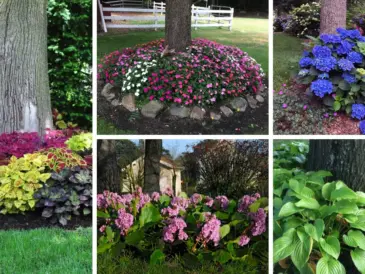
Impatiens are shade specialists. They brighten darker corners of the garden where many flowers struggle.
They require regular moisture and rich soil. Dry soil causes wilting quickly.
Avoid overhead watering late in the day to prevent fungal issues. They perform especially well in mass plantings for dramatic color impact.
13. Lavender
Lavender prefers dry, sunny locations with excellent drainage.
Planting this month allows roots to establish before summer heat intensifies.
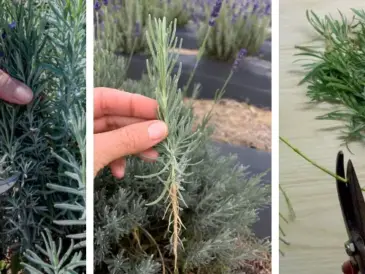
Lavender struggles in heavy clay or consistently moist soil. Amend with sand or gravel if needed. Prune lightly after flowering to maintain shape.
Once established, lavender requires minimal watering.
14. Salvia
Salvia produces tall spikes of blooms that attract pollinators.
Full sun and well-draining soil are essential. Overly wet soil leads to root issues.
Deadheading spent blooms often encourages repeat flowering. Salvia tolerates heat and dry conditions once established.
15. Coreopsis
Coreopsis is a hardy perennial known for cheerful, daisy-like blooms.
It thrives in full sun and average soil.
Once established, it requires minimal watering. Cutting back after the first bloom flush can encourage a second round of flowers.
Preparing Soil Before Planting
Regardless of the flower type, soil preparation determines success.
Loosen compacted soil to improve root penetration. Remove weeds completely. Mix in moderate compost to improve structure but avoid over-enriching beds.
Drainage is more important than excessive fertility for most flowering plants.
Watering After Planting
Newly planted flowers need consistent moisture until roots establish. After that, watering should be deeper but less frequent.
Always water at the base of plants to reduce fungal risk.
Long-Term Flower Success
For continuous blooms:
- Deadhead regularly
- Provide adequate sunlight
- Avoid overfertilizing
- Maintain airflow
- Adjust watering according to weather
Flowers respond to consistency more than extremes.
Planting flowers outdoors this month is an investment in the season ahead.
By selecting appropriate varieties and giving attention to soil, drainage, spacing, and light, you create the conditions for vibrant growth and prolonged blooming.