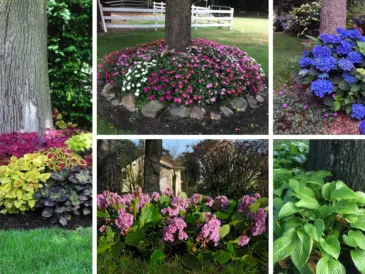
Watching colorful butterflies flutter through your garden is one of the most enchanting sights nature has to offer.
These delicate pollinators not only add life and movement to your outdoor space but also play a crucial role in the ecosystem by helping plants reproduce.
To attract more butterflies, it’s important to fill your garden with nectar-rich flowers that provide a reliable food source throughout the growing season.
Whether you’re designing a dedicated butterfly garden or just looking to invite more pollinators into your yard, these 15 butterfly-attracting flowers are beautiful, practical, and easy to grow.
1. Amethyst Pearl Phlox (Phlox paniculata)
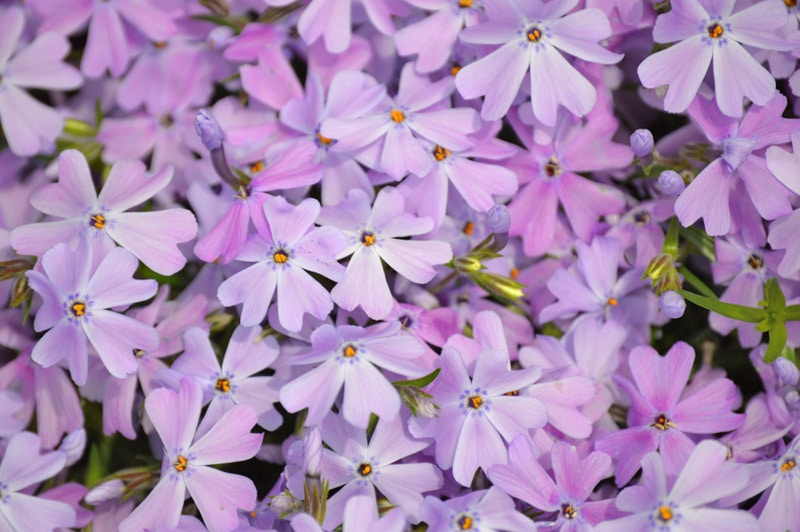
With its rich purple color reminiscent of amethyst gemstones, Amethyst Pearl Phlox is a butterfly favorite. This perennial produces clusters of fragrant blooms that are especially attractive to swallowtails and painted ladies.
- Zones: 3–8
- Sunlight: Full sun to partial shade
- Bloom Time: Summer to early fall
- Soil: Moist, well-drained
Plant phlox in groups to create a bold visual impact and continuous food source for pollinators.
2. Butterfly Weed (Asclepias tuberosa)
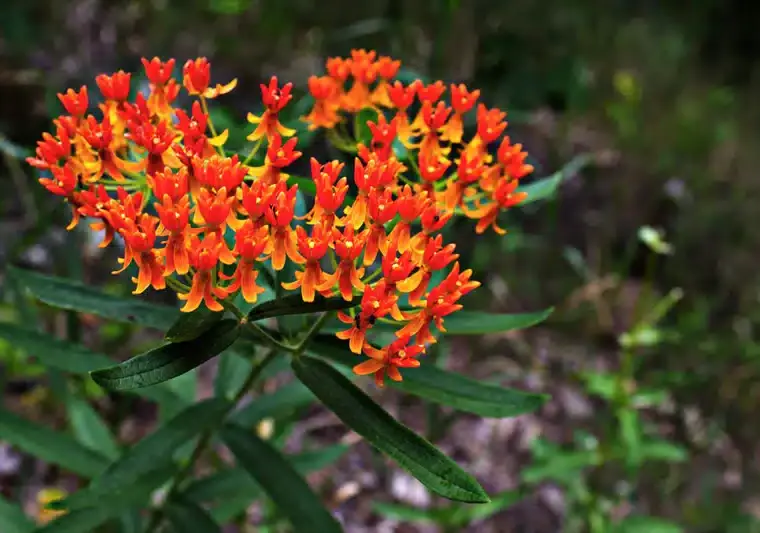
As its name suggests, Butterfly Weed is one of the best plants for attracting butterflies—especially monarchs. Its vibrant orange flowers are rich in nectar, while its leaves provide a vital food source for monarch caterpillars.
- Zones: 3–9
- Sunlight: Full sun
- Bloom Time: Summer
- Soil: Dry to average, well-drained
This hardy native plant is drought-tolerant and deer-resistant, making it perfect for low-maintenance gardens.
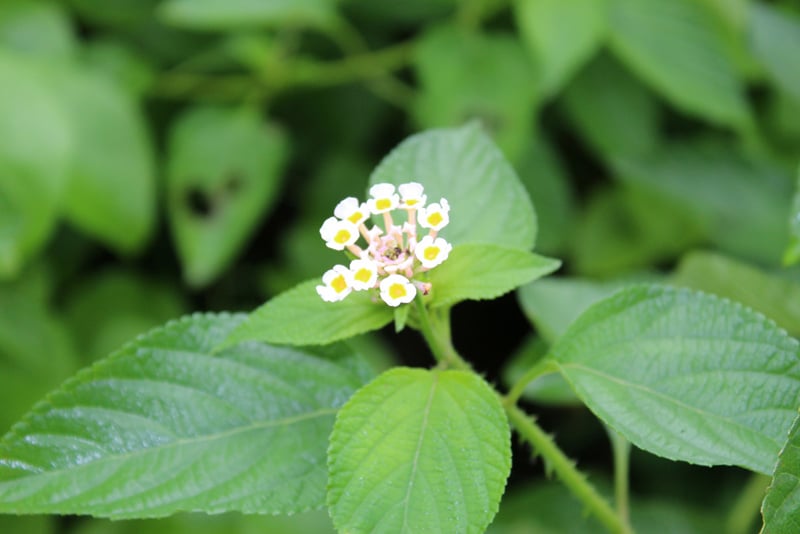
3. Lantana (Lantana camara)
Lantana offers a rainbow of colors on one plant, with blooms that may include pink, orange, red, yellow, and purple—all irresistible to butterflies.
- Zones: 10–11 (annual in cooler zones)
- Sunlight: Full sun
- Bloom Time: Late spring through frost
- Soil: Well-drained, slightly dry
Deadhead spent blooms to encourage continuous flowering. In cooler zones, grow lantana in containers and overwinter indoors.
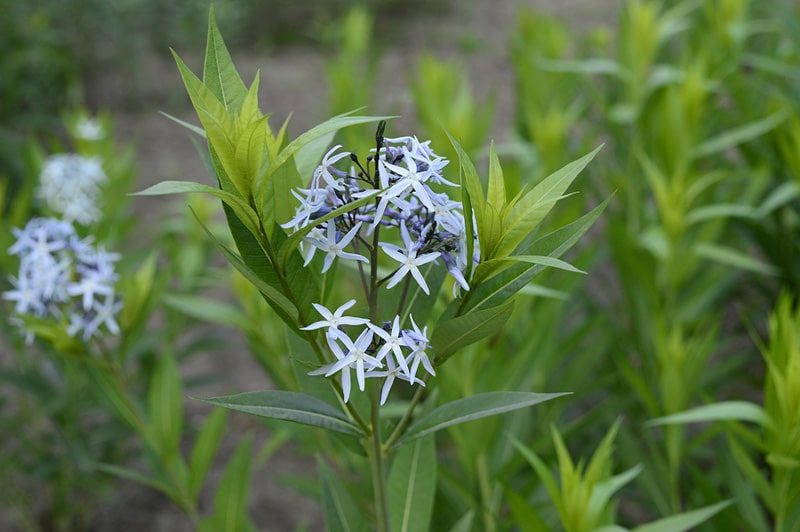
4. Bluestar (Amsonia tabernaemontana)
Bluestar produces soft, star-shaped blue flowers in spring, followed by fine, feathery foliage that turns golden in fall. Butterflies are drawn to its early nectar source.
- Zones: 3–9
- Sunlight: Full sun to partial shade
- Bloom Time: Spring
- Soil: Moist, well-drained
Bluestar is a low-maintenance native that adds texture and seasonal interest to butterfly gardens.
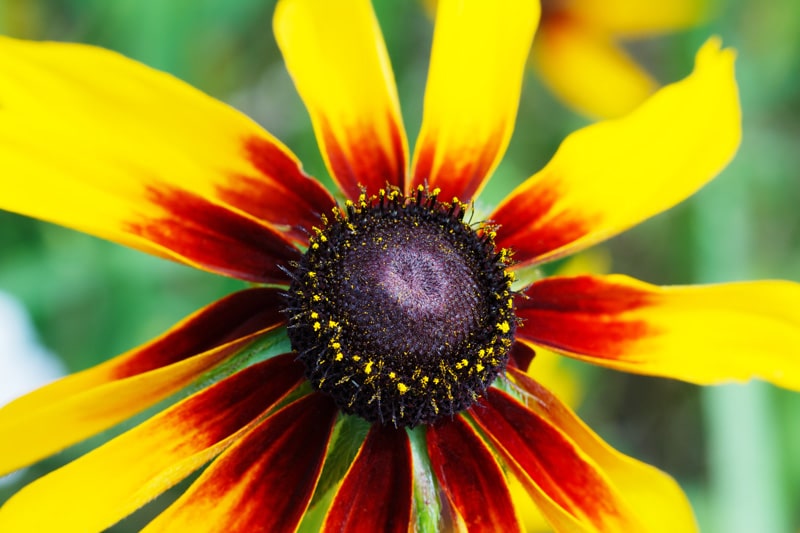
5. Black-Eyed Susan (Rudbeckia hirta)
With sunny yellow petals and a dark central cone, Black-Eyed Susans are classic pollinator plants that provide nectar and pollen throughout the summer.
- Zones: 3–7
- Sunlight: Full sun
- Bloom Time: Summer to early fall
- Soil: Average, well-drained
Butterflies love them—and so will you for their cheerful, long-lasting blooms.
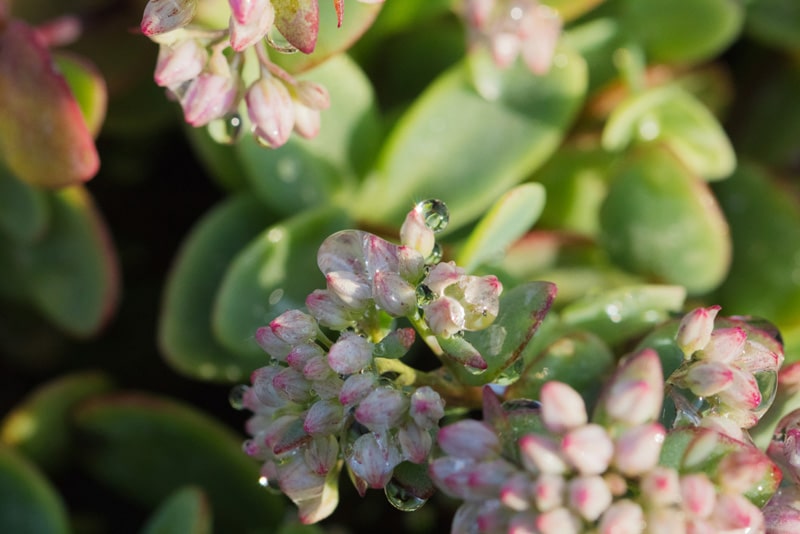
6. Stonecrop (Sedum ‘Autumn Joy’)
Stonecrop is a type of sedum known for its thick, succulent leaves and clusters of pink to reddish blooms that appear late in the season.
- Zones: 4–9
- Sunlight: Full sun
- Bloom Time: Late summer to fall
- Soil: Sandy or well-drained
This is a great late-season nectar source for migrating butterflies and is highly drought-tolerant.
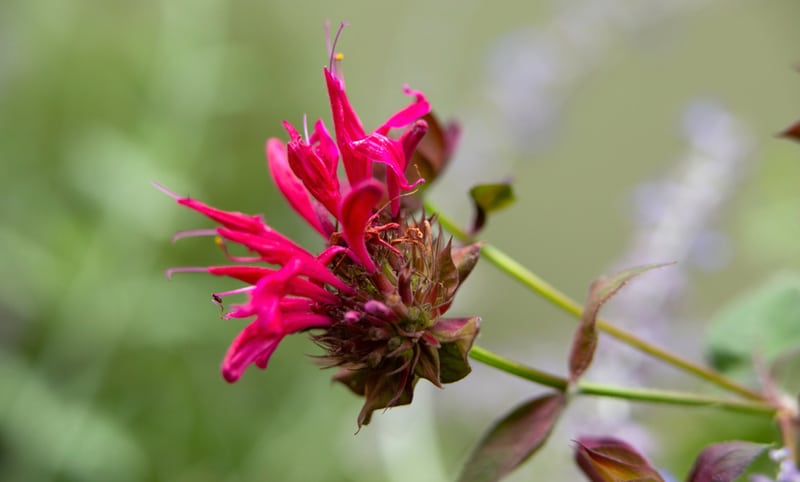
7. Bee Balm (Monarda didyma)
Bee Balm produces vivid red, pink, or purple flowers with a spicy, minty fragrance. It’s a magnet for butterflies, bees, and hummingbirds alike.
- Zones: 4–9
- Sunlight: Full sun to partial shade
- Bloom Time: Summer
- Soil: Moist, well-drained with a slightly acidic pH
Divide clumps every few years to prevent overcrowding and maintain healthy blooms.
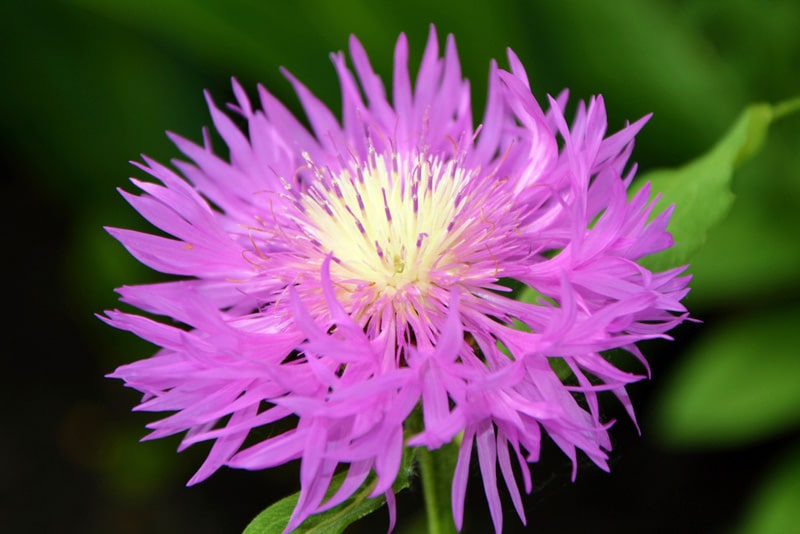
8. Stokes’ Aster (Stokesia laevis)
This Southern native perennial features large, lavender-blue flowers that bloom in early summer and attract a variety of butterflies.
- Zones: 5–9
- Sunlight: Full sun
- Bloom Time: Early to mid-summer
- Soil: Acidic, well-drained, evenly moist
Excellent for borders or pollinator-friendly wildflower gardens.
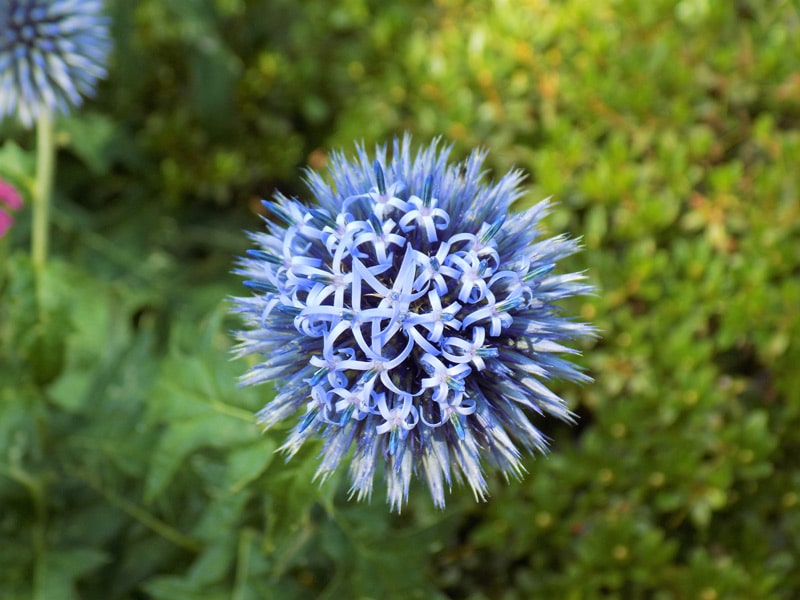
9. Globe Thistle (Echinops ritro)
Globe Thistle stands out with spiky, globe-shaped violet-blue blooms on tall stems. It attracts butterflies and offers bold texture to any garden.
- Zones: 3–9
- Sunlight: Full sun
- Bloom Time: Mid-summer to early fall
- Soil: Average to dry
It’s deer-resistant and thrives in poor soil, making it an excellent drought-tolerant option.
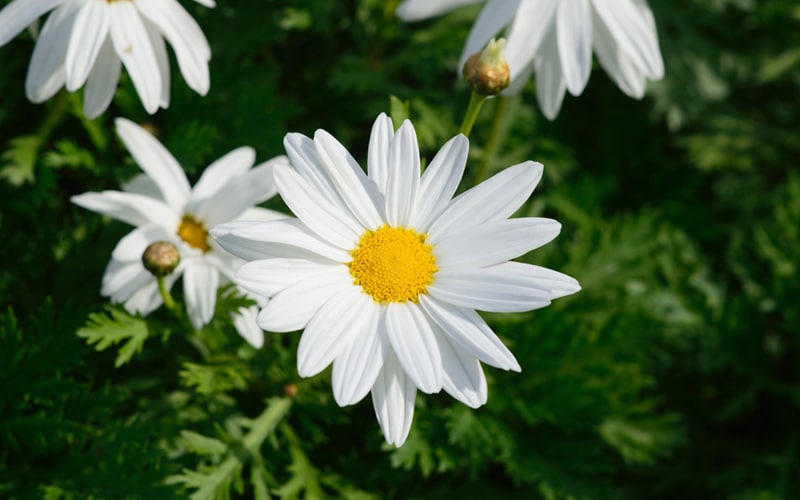
10. Shasta Daisy (Leucanthemum × superbum)
Shasta Daisies produce crisp white petals surrounding golden centers. Their simplicity and charm are appealing to butterflies and gardeners alike.
- Zones: 5–9
- Sunlight: Full sun
- Bloom Time: Early summer to fall
- Soil: Fertile, well-drained
Deadhead regularly to extend blooming season and encourage more butterfly activity.
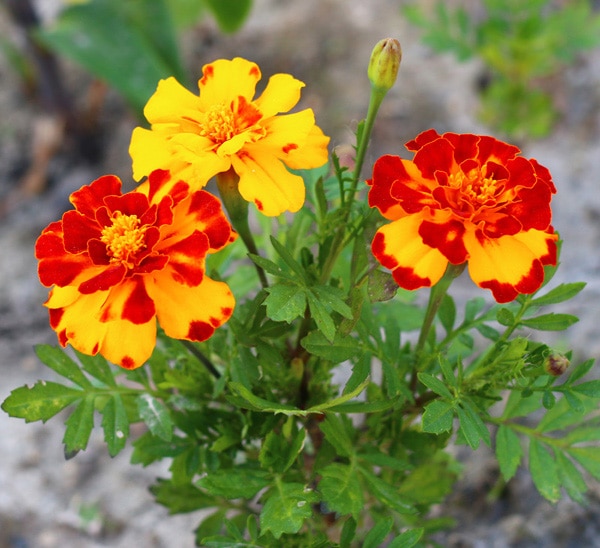
11. Marigold (Tagetes spp.)
Marigolds offer bright, sunny blooms in yellow, orange, and red hues that butterflies can’t resist.
- Zones: 2–11 (grown as annuals in most zones)
- Sunlight: Full sun
- Bloom Time: Summer through frost
- Soil: Warm, well-drained soil
Their strong scent also helps repel garden pests, making them a great companion plant.
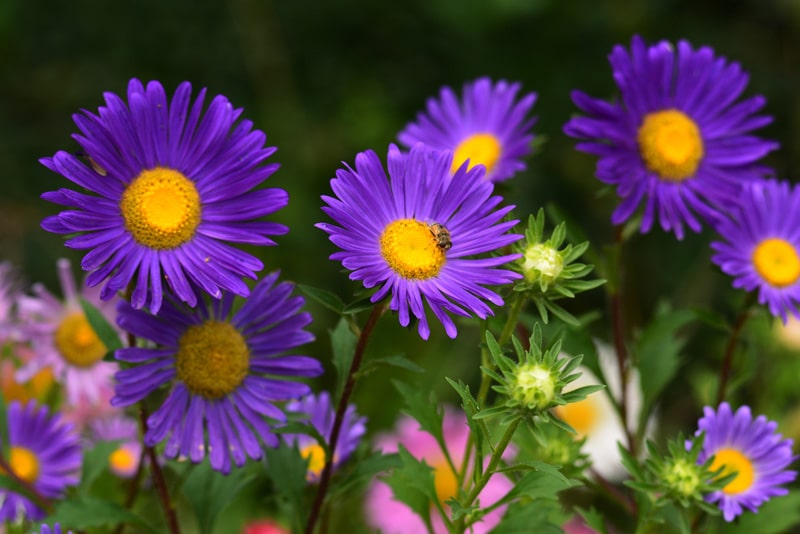
12. Aster (Symphyotrichum spp.)
Asters bloom in late summer to fall, providing a vital nectar source when other flowers have faded. Their daisy-like blooms come in shades of purple, pink, and white.
- Zones: 3–8
- Sunlight: Full sun
- Bloom Time: Late summer through fall
- Soil: Moist, well-drained
Aster is one of the best fall bloomers for sustaining butterflies during migration season.
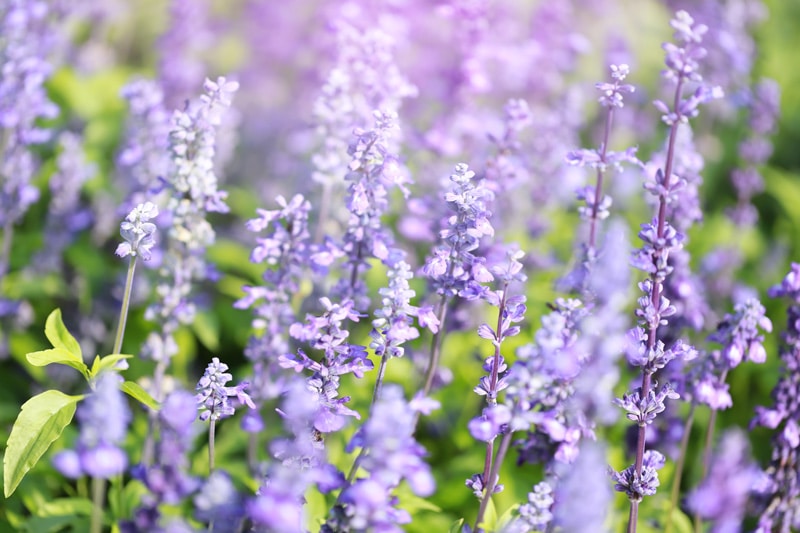
13. Hollyhock (Alcea rosea)
Tall, elegant Hollyhocks produce showy, cup-shaped flowers along towering stems. Butterflies flock to their abundant blooms.
- Zones: 3–8
- Sunlight: Full sun
- Bloom Time: Midsummer to early fall
- Soil: Rich, well-drained
They are biennials, so they typically bloom in their second year. Plant new seeds annually for continuous blooms.
14. Lavender (Lavandula spp.)
Lavender is a fragrant, purple-flowering herb that attracts butterflies and bees while adding a calming scent to the garden.
- Zones: 5–9
- Sunlight: Full sun
- Bloom Time: Summer
- Soil: Well-drained, sandy or rocky
Great for borders, herb gardens, or as a pollinator-friendly edging plant.
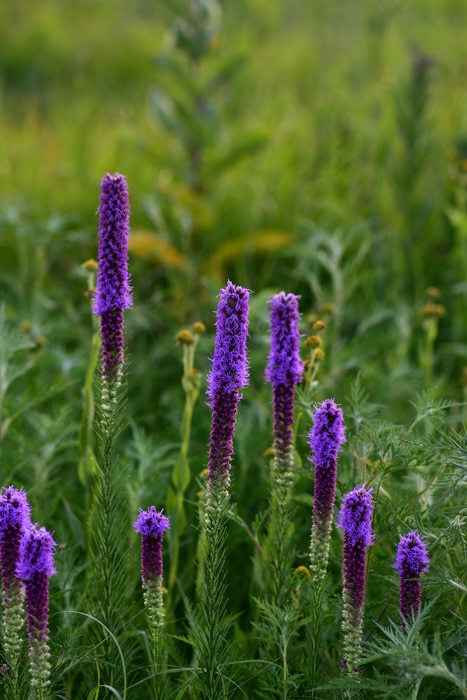
15. Blazing Star (Liatris spicata)
Blazing Star, also known as gayfeather, features tall spikes of fuzzy purple blooms. These upright flowers act like a magnet for monarchs and other butterflies.
- Zones: 3–9
- Sunlight: Full sun
- Bloom Time: Summer to fall
- Soil: Well-drained
This native wildflower is heat and drought-tolerant and thrives in prairie or meadow-style gardens.
Creating a butterfly-friendly garden isn’t just beautiful—it’s also beneficial to the environment.
By incorporating a variety of nectar-rich flowers that bloom across seasons, you’ll provide food, shelter, and breeding space for butterflies and other pollinators.
From the classic Black-Eyed Susan to the vibrant Bee Balm and towering Hollyhocks, every plant on this list plays a role in supporting the butterfly lifecycle.
Plant generously, avoid pesticides, and let your garden become a vibrant sanctuary where butterflies dance from bloom to bloom, bringing magic to your backyard.