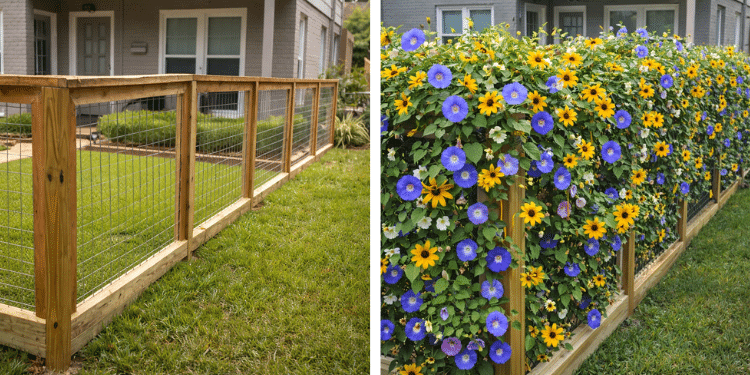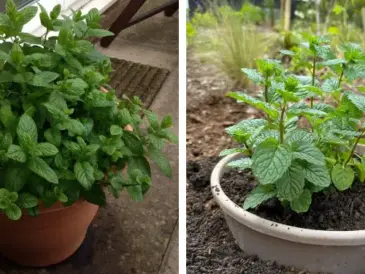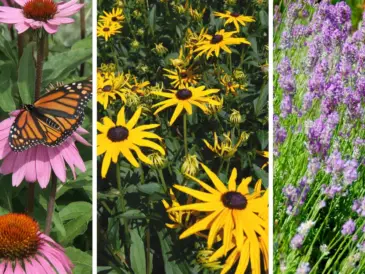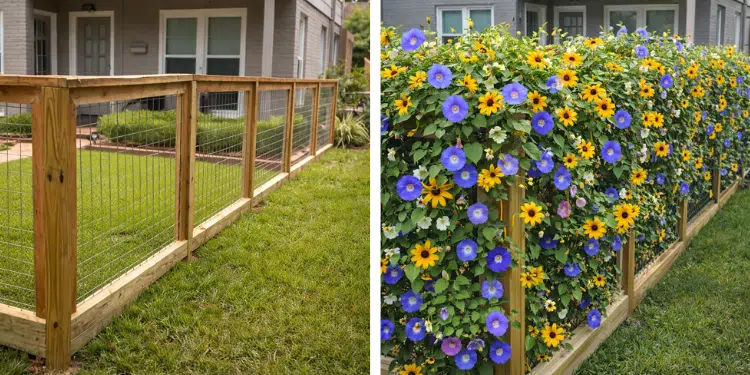
A bare fence can make even the most carefully designed garden feel unfinished. But with the right climbing plants, you can turn that blank vertical space into a lush, colorful, and wildlife-friendly feature.
Climbing plants are one of the most powerful tools in garden design. They soften hard lines, add privacy, improve curb appeal, and create seasonal interest from spring through fall.
Whether you want fragrant flowers, evergreen coverage, fast-growing privacy, or dramatic blooms, there’s a climber that fits your space.
Why Use Climbing Plants on Fences?
Climbing plants offer several benefits:
- Transform plain fences into living walls
- Provide natural privacy screening
- Improve microclimate by shading surfaces
- Support pollinators and birds
- Add vertical gardening potential to small yards
Before choosing a plant, consider:
- Sun exposure (full sun, partial shade, or full shade)
- Fence material (wood, metal, brick, vinyl)
- Climate zone
- Growth speed
- Maintenance level
Some climbers attach with tendrils or aerial roots, while others need trellises or wires for support.
Now let’s explore the best options.
1. Clematis
Clematis is often called the “queen of climbers” because of its dramatic, large flowers and wide color range. From deep purple and royal blue to soft pink and crisp white, clematis offers some of the most striking blooms in the climbing plant world.
Clematis vines climb by wrapping their leaf stems around supports, so they need thin wires, trellises, or lattice to attach properly.
They prefer their roots cool and shaded while their upper growth enjoys sun, so planting low shrubs or adding mulch at the base helps.
There are early, mid-season, and late-blooming varieties, which means you can select types that flower from late spring through fall.
Once established, clematis becomes a reliable and elegant fence cover that adds vertical drama without overwhelming a space.
2. Wisteria
Wisteria creates one of the most breathtaking spring displays in gardening. Its cascading clusters of lavender, violet, or white flowers hang like chandeliers from the vine.
This plant is vigorous and long-lived. It requires strong structural support because mature vines become woody and heavy. A sturdy wooden fence or reinforced trellis is ideal.
Wisteria needs full sun and regular pruning to control its growth and encourage flowering. When maintained properly, it provides a spectacular focal point that instantly elevates the look of any fence.
3. Climbing rose
Climbing roses bring classic charm and romance to fences. Unlike bush roses, climbing roses produce long canes that can be trained horizontally to encourage more blooms.
They thrive in full sun and well-draining soil. Regular pruning improves airflow and stimulates flowering. Many modern varieties bloom repeatedly throughout the season.
When trained properly, climbing roses can turn a plain fence into a cottage-style garden backdrop filled with color and fragrance.
4. Star jasmine
Star jasmine is prized for its glossy evergreen leaves and intensely fragrant white flowers. In warm climates, it remains green year-round, making it ideal for continuous coverage.
It twines gently around supports and responds well to pruning, making it manageable for fences. During bloom season, the scent can fill the entire garden.
This plant is perfect if you want a fence that not only looks beautiful but smells incredible.
5. Honeysuckle
Honeysuckle is known for its tubular flowers that attract hummingbirds and bees. The blooms range from creamy white to fiery red and orange.
It grows quickly and adapts well to different soil conditions. With proper pruning, honeysuckle can provide dense coverage and long-lasting blooms.
It’s a great option if you want to support pollinators while enhancing fence aesthetics.
6. Bougainvillea
In warm climates, bougainvillea is unmatched for vibrant color. Its bright pink, purple, red, or orange bracts create a tropical feel.
Bougainvillea thrives in full sun and prefers slightly drier conditions once established. It can be trained against fences or allowed to spill over them dramatically.
This climber is ideal for sunny fences in Mediterranean or subtropical gardens.
7. Morning glory
Morning glory is a fast-growing annual vine that produces trumpet-shaped blooms in blue, pink, or purple.
It grows rapidly from seed and can cover a fence in one season. Each flower opens in the morning and closes by afternoon, creating a constantly changing display.
It’s perfect for gardeners who want quick, seasonal coverage.
8. Passionflower
Passionflower produces exotic, intricate blooms that look almost tropical. The unique structure of the flower makes it a conversation piece in any garden.
It prefers full sun and warm conditions. Some varieties also produce edible fruit.
When grown on fences, passionflower adds bold texture and unusual beauty.
9. Ivy
Ivy is a classic choice for year-round greenery. It attaches directly to surfaces using aerial roots.
It tolerates shade and poor soil, making it useful for difficult spots. However, it requires occasional trimming to prevent overgrowth.
Ivy creates a timeless, lush green backdrop that works well in traditional or formal gardens.
10. Black-eyed Susan vine
This cheerful vine produces bright yellow or orange flowers with dark centers.
It grows quickly and is often used as an annual in cooler climates. It thrives in sunny locations and brings warmth and vibrancy to fences.
11. Trumpet vine
Trumpet vine is bold and vigorous, producing large trumpet-shaped blooms that attract hummingbirds.
It grows rapidly and requires sturdy support. With full sun and pruning, it can create dramatic fence coverage.
12. Sweet pea
Sweet peas offer delicate, pastel-colored blooms and a strong fragrance.
They prefer cooler weather and bloom beautifully in spring. Though not permanent, they provide charming seasonal coverage.
13. Hydrangea anomala subsp. petiolaris
Climbing hydrangea is ideal for shaded fences. It produces flat clusters of white flowers and has attractive foliage.
It grows slowly at first but becomes a long-term, elegant fence cover.
14. Jasmine
Jasmine varieties produce fragrant white or yellow blooms and thrive in warm climates.
When trained properly, jasmine creates a romantic and aromatic fence display.
15. Grape vine
Grape vines offer both beauty and productivity. Their broad leaves create dense coverage, and they produce fruit in late summer.
They require annual pruning but reward gardeners with edible harvests and strong seasonal interest.
Choosing the Right Climber for Your Fence
When selecting a climbing plant, consider sunlight, climate, fence strength, and maintenance commitment. Some vines are gentle and manageable, while others are vigorous and require consistent pruning.
Mixing evergreen climbers with seasonal bloomers can provide year-round appeal. Adding trellises or horizontal wires improves support and encourages healthy growth.
Climbing plants can completely transform a bare fence into a living canvas.
From fragrant jasmine and romantic roses to dramatic wisteria and lush ivy, each plant brings its own character and seasonal charm.