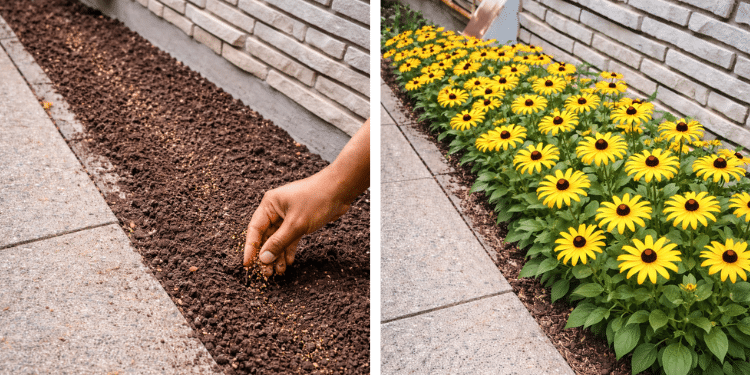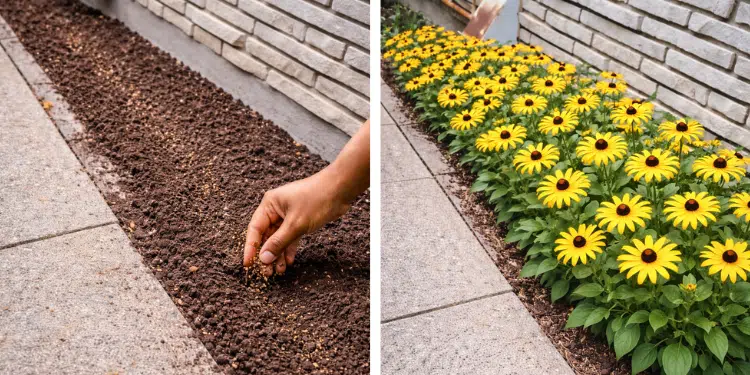
March is one of the most strategic months for planting perennials. As soil begins to warm and daylight increases, plants naturally shift into active growth.
Planting during this window allows roots to establish before summer heat, reducing stress and improving long-term performance.
Unlike fall planting, which focuses on root establishment before winter dormancy, March planting supports both root development and early top growth.
The cooler air temperatures combined with gradually warming soil create ideal conditions for strong establishment.
Why Plant Perennials in March?
Planting in March provides several key benefits:
• Cooler temperatures reduce transplant shock
• Spring rains support root hydration
• Roots establish before summer heat
• Plants develop stronger drought resistance
• Fewer pest pressures compared to late spring
When soil is workable and no longer frozen, March planting gives perennials a head start for the growing season.
1. Coneflower (Echinacea)
Coneflowers are drought-tolerant, pollinator-friendly perennials that thrive in full sun. They prefer well-drained soil and tolerate poor soils once established.
How to Grow
Plant in a location with at least 6–8 hours of sunlight. Space plants 18–24 inches apart to allow airflow. Water deeply after planting but avoid overwatering in cool soil.
Why Plant in March
Early planting allows coneflowers to establish deep taproots before summer heat. Strong root systems improve bloom size and drought tolerance later.
They bloom from early summer through fall and require minimal maintenance beyond occasional deadheading.
2. Black-eyed Susan
These cheerful yellow blooms thrive in full sun and adapt to many soil types.
How to Grow
Choose a sunny location with moderate drainage. Water consistently during establishment. Once rooted, they tolerate dry conditions well.
Why March Is Ideal
Planting in March gives them time to build foliage before their late-summer bloom period. Strong spring root development leads to fuller flowering.
Divide every 3–4 years to prevent overcrowding.
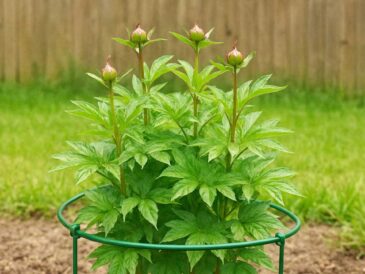
3. Peony
Peonies are long-lived perennials that can bloom for decades.
How to Grow
Plant in full sun with rich, well-drained soil. The crown should sit just 1–2 inches below soil surface. Planting too deep prevents flowering.
Why March Planting Matters
Peonies dislike being moved. Planting in March allows them to establish before active blooming season. Though first-year blooms may be light, future years improve dramatically.
Peonies prefer cool winters and benefit from spring establishment.
4. Daylily
Daylilies are adaptable and forgiving.
How to Grow
Plant in full sun to partial shade. They prefer well-drained soil but tolerate clay better than many perennials. Space 18–24 inches apart.
March Advantage
Spring planting allows roots to establish before flowering begins. This results in stronger stems and more buds.
Divide clumps every few years to maintain performance.
5. Salvia
Salvia produces upright spikes of color and attracts pollinators.
How to Grow
Requires full sun and excellent drainage. Avoid heavy, waterlogged soil. Prune lightly after first bloom to encourage reblooming.
Why Plant in March
Cool spring temperatures reduce stress while roots anchor deeply. This helps plants withstand hot summer weather.
Salvia benefits from early root growth before heavy flowering begins.
6. Hosta
Hostas are prized for foliage rather than flowers.
How to Grow
Plant in partial to full shade with rich, moisture-retentive soil. Water consistently but avoid standing water.
March Benefit
Hostas emerge as temperatures rise. Planting in March allows roots to settle before leaf expansion begins.
Mulch helps regulate soil temperature and retain moisture.
7. Lavender
Lavender thrives in dry, sunny conditions.
How to Grow
Plant in full sun with sandy, well-drained soil. Avoid heavy clay unless amended. Do not overwater.
Why March Works
Planting in early spring allows lavender to establish before intense summer heat. Good drainage is critical in cool spring soils.
Prune lightly after flowering to maintain shape.
8. Coreopsis
Coreopsis offers bright, long-lasting blooms.
How to Grow
Requires full sun and tolerates poor soils. Avoid excessive fertilization, which reduces blooms.
March Advantage
Spring planting gives coreopsis time to establish roots before summer flowering, improving longevity and bloom density.
Deadhead to prolong flowering.
9. Astilbe
Astilbe thrives in shade and moist soil.
How to Grow
Plant in partial shade with consistent moisture. It does not tolerate drought well.
Why March Is Best
Cool spring temperatures reduce stress and encourage strong root establishment before summer heat.
Mulch heavily to retain moisture.
10. Sedum
Sedum is drought-tolerant and low maintenance.
How to Grow
Plant in full sun and well-drained soil. Avoid overwatering.
March Benefit
Early planting allows sedum to establish before summer dryness. Strong roots improve bloom production in late summer.
11. Phlox
Phlox produces clusters of fragrant blooms.
How to Grow
Plant in full sun with good airflow. Water consistently and mulch to prevent powdery mildew.
March Advantage
Spring planting reduces transplant shock and supports vigorous summer blooms.
12. Shasta daisy
These classic white daisies thrive in sunny gardens.
How to Grow
Plant in full sun and well-drained soil. Divide every 2–3 years.
Why March
Cool soil encourages strong root establishment before flowering begins.
13. Bleeding heart
Bleeding heart prefers cool, shaded gardens.
How to Grow
Plant in partial shade with rich soil. Keep soil evenly moist.
March Advantage
This plant naturally emerges in early spring. Planting in March aligns with its growth cycle.
14. Yarrow
Yarrow is hardy and drought tolerant.
How to Grow
Full sun and well-drained soil are essential. Avoid overwatering.
Why Plant Early
Early root establishment improves flowering performance and plant longevity.
General March Planting Tips
• Prepare soil with compost
• Avoid planting in waterlogged ground
• Space plants properly
• Water deeply after planting
• Apply light mulch
Monitor for late frosts and protect tender new growth if necessary.
Planting perennials in March gives them a powerful seasonal advantage. Cool air temperatures reduce stress while warming soil supports root development.
By the time summer arrives, your plants will be well-established and ready to bloom vigorously.