Springtime is often anticipated for its vibrant display of blooms, with gardens bursting into life after a long winter. However, achieving a garden full of healthy, colorful flowers requires careful preparation and attention to detail, especially when it comes to planting bulbs. Many gardeners, both novice and experienced, make common mistakes when planting bulbs, which can hinder the performance of their spring blooms.
In this article, we will explore 14 common bulb planting mistakes that can sabotage your spring garden’s success. From planting techniques to soil preparation, understanding these pitfalls will help ensure your bulbs thrive and produce the spectacular display you’re hoping for.
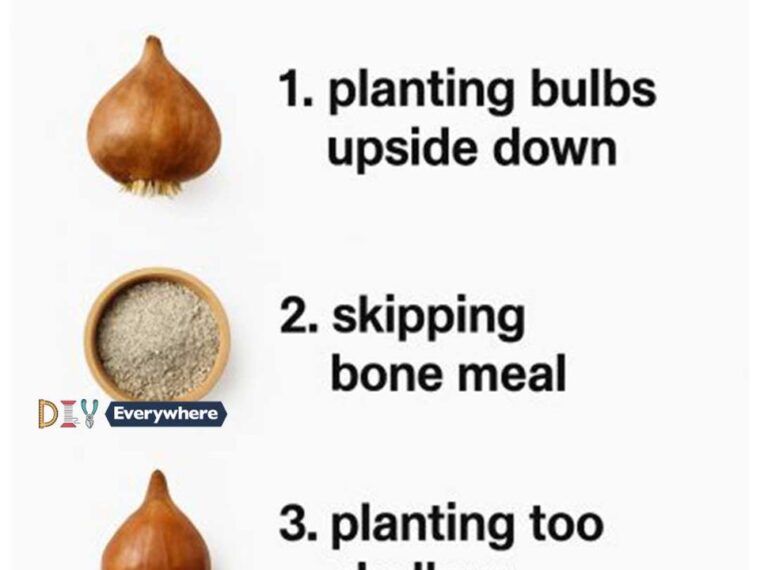
1. Planting Bulbs Upside Down
One of the most common mistakes is planting bulbs upside down. Bulbs have a particular orientation, with the pointed end, or the tip, meant to face upwards. This is where the stem will emerge. The bottom, usually broader and sometimes with small root buds, should face downwards. Planting bulbs upside down can lead to delayed growth as the plant struggles to orient itself, and in some cases, it might fail to emerge at all. For bulbs like tulips and daffodils, ensure the pointy end is facing up to allow for proper growth.
2. Skipping Bone Meal
Bone meal is a valuable soil amendment when planting bulbs, as it provides essential phosphorus that supports root development. Skipping this step can result in weaker root systems that are less capable of supporting the plant. When planting, mix a handful of bone meal into the bottom of the planting hole. This will ensure that the roots have ready access to nutrients as they develop, leading to healthier, more robust plants.
3. Planting Too Shallow
Bulbs need to be planted at the correct depth to thrive. Generally, bulbs should be planted at a depth of about two to three times their height. For instance, if a bulb is 2 inches tall, it should be planted 4 to 6 inches deep. Planting too shallow can expose the bulbs to temperature fluctuations and pests, while planting too deep might delay emergence. Check specific planting instructions for each bulb variety to ensure optimal depth.
4. Storing Bulbs in Plastic Bags
Storing bulbs in plastic bags is a mistake because it can trap moisture and lead to mold or rot. Bulbs need to be kept in a cool, dry, and well-ventilated area. Instead of plastic bags, use paper bags or mesh nets to store bulbs. This allows air circulation and prevents moisture buildup, ensuring that the bulbs remain healthy until planting time.
5. Choosing the Wrong Bulbs for Your Climate
Selecting bulbs that are not suited to your climate is a recipe for disappointment. Each bulb variety has specific temperature and weather requirements. For instance, tulips and daffodils thrive in cooler climates, while some other bulbs may require warmer conditions. Research the hardiness zone of your area and choose bulbs that are known to perform well in those conditions.
6. Ignoring Soil Preparation
Proper soil preparation is crucial for the success of bulbs. Ignoring this step can lead to poor growth and development. Start by loosening the soil to a depth of at least 12 inches to ensure good drainage and aeration. Adding organic matter such as compost can improve soil structure and fertility, providing a nutrient-rich environment for the bulbs.
7. Planting in Poor Drainage Areas
Bulbs are susceptible to rot if planted in areas with poor drainage. Waterlogged soil can cause the bulbs to decay before they even have a chance to grow. To avoid this, choose a planting site with well-draining soil. If necessary, amend the soil with sand or grit to improve drainage, or consider raising the planting bed.
8. Overcrowding Bulbs
Planting bulbs too close together can lead to competition for nutrients, water, and sunlight, resulting in stunted growth. Each bulb needs enough space to grow and develop properly. As a rule of thumb, space bulbs at least two to three bulb-widths apart. This ensures that each bulb has sufficient room to flourish and produce healthy blooms.
9. Planting at the Wrong Time
Timing is crucial when planting bulbs. Planting too early can expose bulbs to rotting in warm, moist soil, while planting too late might not give them enough time to establish roots before winter. Generally, spring-flowering bulbs should be planted in the fall, about six weeks before the ground freezes. This allows them to establish a root system and prepare for spring growth.
10. Neglecting Watering After Planting
After planting, bulbs need adequate water to settle into the soil and start root development. Neglecting to water can lead to poor establishment and weak growth. Water the bulbs thoroughly after planting to help settle the soil and eliminate air pockets. Continue to water periodically, especially in dry conditions, to ensure healthy root development.
11. Failing to Protect Bulbs from Pests
Pests such as squirrels, voles, and deer can disturb or consume bulbs, leading to disappointment in spring. To protect bulbs, consider using physical barriers such as wire mesh or planting deterrents like crushed stone around the planting area. Additionally, repellents can be used to discourage animals from digging up bulbs.
12. Using the Wrong Fertilizer
Not all fertilizers are suitable for bulbs. High-nitrogen fertilizers can promote excessive foliage growth at the expense of blooms. Instead, use a balanced fertilizer or one specifically formulated for bulbs, with a higher phosphorus content to encourage flowering. Apply fertilizer at planting time and again in early spring as growth begins.
13. Not Considering Sunlight Requirements
Different bulbs have varying sunlight needs, and ignoring these requirements can affect their growth and flowering. Most spring bulbs prefer full sun to partial shade. Ensure the planting site receives adequate sunlight, especially in the early spring when trees may not yet have leaves to cast shade.
14. Forgetting to Mulch for Winter Protection
Mulching is an essential step in protecting bulbs from extreme winter temperatures. A layer of mulch, about 2 to 3 inches thick, can help insulate the soil, retain moisture, and prevent frost heaving. Use organic materials like straw, wood chips, or shredded leaves, and apply it after the ground has frozen to provide a stable environment for bulbs during winter.