As the vibrant colors of summer give way to the rich hues of autumn, many homeowners may overlook the importance of proper lawn care during the fall season. However, this transitional period is crucial for maintaining a healthy and lush yard come spring. Missteps made now can have lasting effects, diminishing the beauty and health of your lawn.
Here, we delve into 13 common lawn care mistakes that can silently wreak havoc on your yard during the fall. From mowing mishaps to neglecting soil health, understanding these pitfalls will empower you to take the right steps towards a thriving lawn year-round.
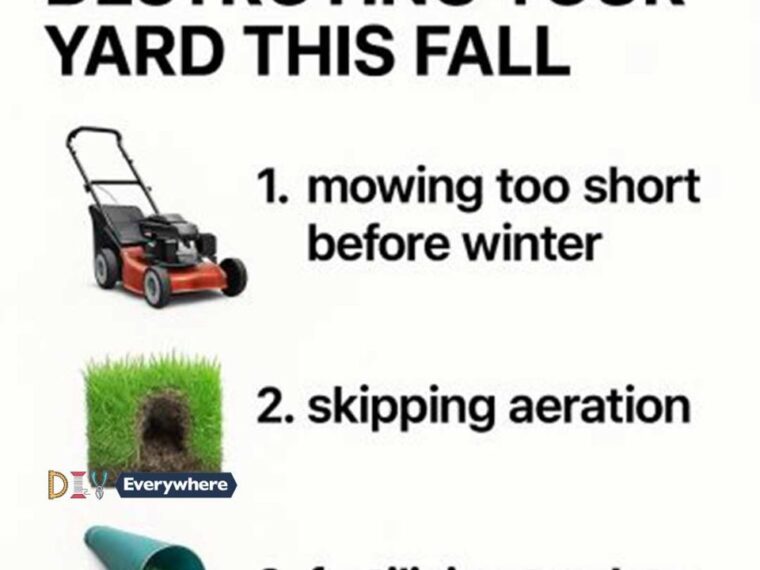
1. Mowing Too Short Before Winter
Many homeowners believe that cutting the grass short before winter is beneficial, but this can actually harm your lawn. Grass that is cut too short, under 2 inches, can become stressed and more susceptible to damage from frost and cold temperatures. Taller grass, ideally around 2.5 to 3 inches, can provide better insulation for the roots and retain more moisture.
Additionally, leaving the grass too short can expose the soil to more sunlight, encouraging weed growth. It’s important to maintain an optimal grass height as you prepare for the colder months.
2. Skipping Aeration
Aerating your lawn in the fall is essential for allowing air, water, and nutrients to penetrate the ground and reach the roots. Over time, soil can become compacted, especially in high-traffic areas, which restricts this vital flow. Aeration involves perforating the soil with small holes, which can be done using a manual or mechanical aerator.
By neglecting this step, the lawn’s root system remains shallow and weak, making it more vulnerable to disease and poor growth. Ideally, aerate your lawn when the soil is moist but not soggy to ensure the best results.
3. Fertilizing Too Late
Fertilizing your lawn too late in the fall can lead to wasted nutrients and poor absorption by the grass. The best time to apply fertilizer is early fall, when the grass is still actively growing and can utilize the nutrients to strengthen its roots. Late applications can encourage new growth that is susceptible to frost damage.
To avoid this mistake, apply a slow-release fertilizer in September or early October, which allows the grass to build up energy reserves before winter sets in.
4. Raking Leaves Too Aggressively
While it’s important to remove fallen leaves to prevent them from smothering your grass, raking too aggressively can damage the turf. Using a leaf blower or a gentle rake can help minimize harm to the grass blades.
Leaves left to accumulate can create a barrier that traps moisture and encourages the growth of mold and fungi. However, a light layer of leaves can actually serve as a natural mulch, providing nutrients as they break down.
5. Ignoring Soil pH Levels
Soil pH plays a crucial role in the health of your lawn, affecting nutrient availability and grass growth. Many homeowners overlook testing their soil’s pH, which can lead to nutrient imbalances. Ideally, soil pH should be between 6.0 and 7.0 for most grass types.
Conduct a soil test in the fall and apply lime or sulfur as needed to adjust the pH. This ensures that your lawn has the optimal conditions to thrive when spring arrives.
6. Overwatering as Temperatures Drop
As temperatures cool, the evaporation rate decreases, meaning your lawn requires less water. Continuing to water as frequently as in the summer can lead to oversaturation and create an environment conducive to disease and mold.
Reduce watering to once a week or less, depending on the rainfall in your area. Ensure that the lawn receives about 1 inch of water per week, including rain, to keep it healthy without overdoing it.
7. Neglecting Fall Cleanup
Failing to clean up debris, such as fallen branches and excess leaves, can lead to thatch buildup and create a habitat for pests and diseases. It’s important to regularly remove debris from your lawn to maintain its health.
Thatch is a layer of dead grass and roots that can prevent water and nutrients from reaching the soil. A thorough fall cleanup sets your lawn up for success in the spring by reducing the risk of winter damage.
8. Not Adjusting Mower Height
Adjusting your mower height as the seasons change is crucial for maintaining a healthy lawn. In the fall, gradually lower the mower height to about 2 to 2.5 inches, which helps the grass retain its energy and reduces the risk of disease.
However, avoid cutting too much at once; only remove about one-third of the grass’s height with each mow to prevent stress on the lawn.
9. Ignoring Pest Control Measures
Fall is a critical time to manage pests that can damage your lawn over the winter. Ignoring pest control can lead to infestations of grubs, chinch bugs, and other insects that feed on grass roots.
Apply a preventive treatment or natural pest control methods to protect your lawn. Monitoring for signs of pest activity can also help you address problems early before they become severe.
10. Planting Grass Too Late in the Season
Seeding your lawn too late in the fall can result in poor germination due to cooler temperatures. The best time to plant grass is in early fall when the soil is still warm, but the air is cool, promoting optimal growth.
If you plant too late, the seeds may not establish strong roots before winter, leading to sparse growth in the spring. Ensure you allow at least 6 to 8 weeks before the first expected frost for new grass to establish.
11. Overlooking Fall Mulching
Mulching in the fall helps protect the soil and retain moisture as temperatures drop. Many homeowners overlook this step, but applying a layer of mulch can insulate the soil and protect the root systems.
Choose an organic mulch, such as shredded leaves or wood chips, and apply 1 to 2 inches around trees, shrubs, and flower beds. This not only protects the plants but also enriches the soil as the mulch breaks down.
12. Using the Wrong Fertilizer Type
Selecting the wrong type of fertilizer for fall application can lead to nutrient imbalances and poor grass health. Fall fertilizers should be rich in potassium to enhance root development and disease resistance.
Avoid high-nitrogen fertilizers, which encourage excessive leaf growth at the expense of root health. Check the fertilizer label for an N-P-K ratio that emphasizes potassium, such as 10-0-20.
13. Allowing Weeds to Take Over
Weeds compete with grass for nutrients and water, and allowing them to take over in the fall can set your lawn back come spring. Addressing weeds in the fall is crucial because many types germinate and spread during this time
Apply a pre-emergent herbicide to prevent weed seeds from sprouting and spot-treat any existing weeds. Regular weeding and maintenance will keep your lawn healthy and reduce competition for resources.