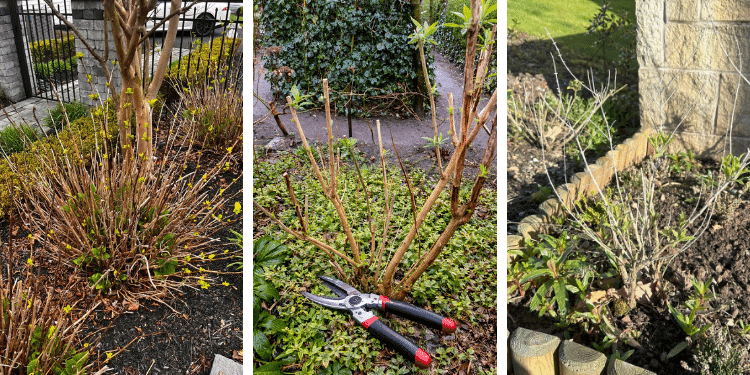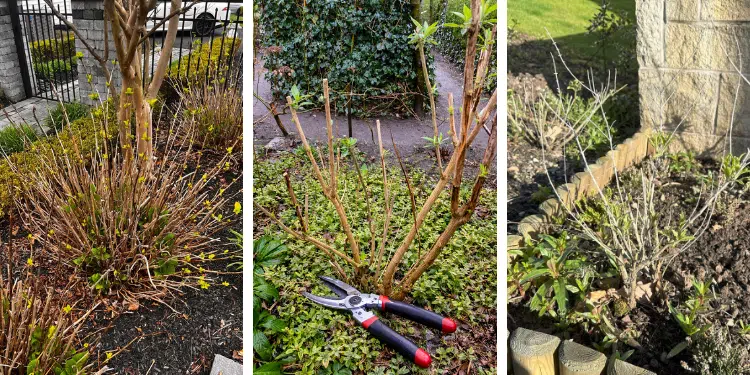
Early spring is when many gardeners feel the urge to clean everything up. After a long winter, brown stems and dried seed heads can look messy, and it’s tempting to cut all perennials down at once.
But for many plants, cutting back in March can reduce blooms, weaken growth, harm pollinators, or even kill the plant’s seasonal display.
Some perennials protect their new growth inside old stems. Others set next season’s flower buds months in advance.
Many provide critical late-winter habitat and food for beneficial insects. Pruning them too early removes these benefits and delays garden performance.
Why Some Perennials Should Not Be Cut Back in Early Spring
Before we look at specific plants, it helps to understand why early cutting can be harmful.
Many perennials rely on their old top growth to:
- Protect emerging crown growth from late frost
- Store energy for spring regrowth
- Shelter overwintering beneficial insects
- Hold pre-formed flower buds
- Self-seed for natural spreading
- Provide winter food for birds
Cutting too early can mean fewer flowers, slower recovery, and reduced wildlife support.
A good rule: If you see green growth emerging at the base or along stems – pause before pruning.
Lavender – Old Wood Risk and Frost Sensitivity
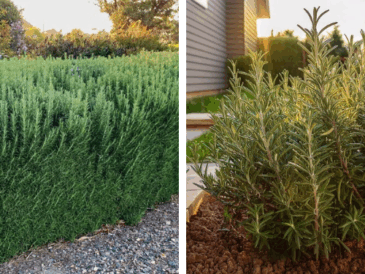
Lavender is a semi-woody perennial, not a soft-stem plant. Its lower structure becomes woody with age, and new growth only emerges from certain green nodes.
In March, especially in cooler climates, lavender is often just beginning to wake up internally – even if you don’t see it yet.
If you cut lavender hard in March, you risk cutting into old wood that cannot regenerate. Even worse, early pruning exposes inner stems to late frosts, which can kill developing buds and cause branch dieback.
Many gardeners think lavender is dead after a bad March pruning – when in reality it was damaged by timing.
Lavender is safer to prune after you clearly see new green shoots or after its flowering cycle.
Bigleaf & Oakleaf Hydrangeas – You Cut the Flowers Off
Some hydrangeas set their flower buds the previous summer. Those buds sit quietly on stems all winter, waiting for spring warmth. In March, they are already formed – just not open yet.
When you cut these types back in early spring, you are not “shaping the plant” – you are removing the coming blooms. The plant will still grow leaves, which confuses gardeners, but it will not flower that year.
This is why people say, “My hydrangea grows but never blooms.” The cause is almost always wrong pruning timing.
Only prune these hydrangeas after they flower, not before.
Coneflower – Stem Habitat and Crown Protection
Coneflowers leave behind thick hollow stems and seed heads. Those stems are not just leftovers – they are winter habitat for native bees and beneficial insects. Many solitary bees overwinter inside those hollow channels.
In March, many of those insects are still dormant inside. Cutting stems then destroys their shelter before they emerge.
At the same time, the dried top growth shades and protects the crown from freeze–thaw cycles, which are more damaging than steady cold.
Removing that protection too early exposes the plant base to temperature swings that can weaken spring regrowth.
Waiting a few extra weeks protects both the plant and pollinators.
Black-Eyed Susan – Self-Seeding and Root Energy Timing
Black-eyed Susans often reseed naturally if their seed heads remain through winter. March cutting removes viable seed before natural distribution finishes. That reduces next year’s stand density.
Also, the plant draws stored carbohydrates from upper stems back into the crown during late winter. Cutting too early interrupts that final energy transfer window. It’s subtle – but it affects vigor.
Waiting until new basal leaves appear ensures the plant has completed its internal energy shift.
Sedum (Tall Stonecrop) – Crown Frost Shielding
Tall sedum varieties form low rosettes at soil level before sending up new stems. Those rosettes are tender in early spring. The old dried flower stalks above them act like a natural frost umbrella.
If you remove that umbrella in March, a single hard frost can burn the rosettes and delay growth weeks. Gardeners sometimes blame weather – but the real cause was early exposure.
Cutting sedum becomes safe once the basal rosettes are clearly formed and frost risk is lower.
Russian Sage – Late Breaker That Looks Dead
Russian sage is famous for “late waking.” It often shows no visible growth when other perennials are already leafing out. Many gardeners assume it died and cut it to the ground too early.
But Russian sage frequently pushes buds from lower nodes after soil warms – not when air warms. March pruning can remove those nodes before they activate.
The correct move is patience. Wait until you see green at the base or along stems – then prune back to just above live buds.
Butterfly Bush – Cold Zone Timing Matters
Butterfly bush blooms on new wood, so it can be pruned – but cold climate timing matters. In zones with late frosts, March cuts expose the plant’s interior to freeze damage. Stems that could have resprouted get killed deeper down.
Delaying pruning until buds swell ensures you cut to the correct living height – not guesswork height.
Heuchera – Evergreen Crown Insulation
Heuchera keeps much of its foliage through winter. Those leaves act like living mulch, shading and insulating the crown. Cutting everything back in March removes that protection right when freeze–thaw cycles are strongest.
Instead, selective leaf removal works better – take off only damaged outer leaves and leave the rest until new growth replaces them naturally.
Hellebores – Active Bloom Period Conflict
Hellebores often bloom between late winter and early spring. In March they may already be pushing flower stalks – sometimes hidden low in the crown. A general cutback removes active bloom stems.
Because hellebores flower so early, pruning should happen just before bloom stalks rise – not during March cleanup sweeps.
Ornamental Grasses – Crown Rot vs Crown Freeze Balance
Ornamental grasses hold their dried blades through winter for a reason – crown protection. Those blades shed water away from the plant center and buffer temperature swings.
Cutting too early increases exposure to wet cold soil, which can trigger crown rot. Cutting too late smothers new shoots. The safe window is when green blades first appear – not calendar March.
Yarrow – Beneficial Insect Shelter
Yarrow stems are insect hotels. Lacewings, parasitic wasps, and native bees overwinter inside or around those dried structures. March cutting removes that habitat before emergence.
Yarrow also resprouts from basal foliage – not upper stems – so there is no benefit to early removal.
Penstemon – Semi-Woody Survival Strategy
Penstemon behaves partly like a shrub. Its upper stems protect lower buds from cold desiccation. March pruning exposes those buds before stable warmth arrives.
Many penstemon winter losses come from early pruning, not cold alone.
When You Should Cut Back Instead
Instead of pruning everything in March, use this timing approach:
- Cut when new basal growth is visible
- Prune after last hard frost
- Delay for old-wood bloomers
- Keep stems longer for pollinator habitat
- Remove only clearly dead material early
Staggered cleanup supports both plant health and garden ecology.
March is not universal pruning season – and treating it that way costs gardeners blooms, plant vigor, and pollinator support.
Many perennials rely on their winter structure for protection and next-season performance.