March is one of the most strategic months in the gardening calendar. While many gardeners wait for warmer days, experienced growers know that early spring is prime time for planting hardy perennials.
Frost-tough plants are naturally adapted to cool soil and fluctuating temperatures. When planted in March, they focus on building strong root systems long before summer heat arrives.
Strong roots are everything. They determine how well a plant tolerates drought, how heavily it blooms, and how many years it will thrive in your garden.
1. Hellebore
Hellebores are among the earliest blooming perennials in the garden. In many climates, they flower while frost still coats the ground.
Their leathery evergreen foliage and nodding blooms make them a standout in late winter and early spring.
Hellebores naturally grow in woodland environments, which means they prefer partial shade and soil rich in organic matter.
However, they are surprisingly adaptable as long as drainage is adequate. Wet, heavy soil in winter can cause root rot, so planting in well-drained beds is essential.
March planting works beautifully for hellebores because their root systems are active in cool conditions. Even if frost returns after planting, established hellebores tolerate it easily.
Over time, they form sturdy clumps that can remain in place for decades with minimal disturbance.
2. Peony
Peonies are famous for their longevity. A well-planted peony can bloom reliably for 30 to 50 years. They are naturally frost-hardy and actually require winter chill to set strong flower buds.
Planting peonies in March gives them time to establish before the flush of spring growth. The key to success lies in correct planting depth.
The eyes, or growth buds, should sit just slightly below the soil surface. Planting too deeply is the most common mistake and often results in poor flowering.
Peonies prefer full sun and fertile, well-drained soil. Once established, they require little care beyond occasional division and support for heavy blooms.
Their deep root systems benefit greatly from early spring planting, when soil is cool and moisture levels are naturally higher.
3. Coneflower
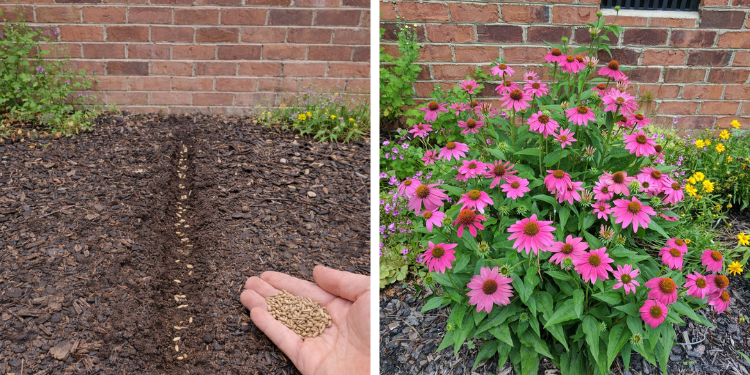
Coneflowers, also known as echinacea, are native prairie plants built for resilience. They tolerate frost, drought, and heat once established.
Planting in March allows their strong taproots to begin developing before summer temperatures rise. Taproots anchor deeply into the soil, allowing the plant to draw moisture from lower layers during dry periods.
Coneflowers require full sun and well-drained soil. Overly rich soil can lead to weak stems and fewer blooms. Once mature, they bloom from early summer into fall and attract butterflies, bees, and birds.
Early planting ensures they are fully rooted before the demands of flowering begin.
4. Daylily
Daylilies are among the most adaptable perennials available. They tolerate frost, clay soil, drought, and even partial shade.
Their thick, fleshy roots store nutrients and water, allowing them to recover quickly from temperature fluctuations. March planting allows these roots to spread outward before active top growth accelerates.
Daylilies perform best in full sun, although they tolerate partial shade. They benefit from division every few years to prevent overcrowding.
Early planting gives them ample time to settle before their peak bloom period in early to mid-summer.
5. Bleeding heart
Bleeding heart thrives in cool spring temperatures and is naturally frost tolerant. Its delicate, heart-shaped blooms appear in mid-spring and add elegance to shaded gardens.
Planting in March aligns perfectly with its natural growth cycle. The plant emerges early and benefits from cool soil that supports root development.
Bleeding heart prefers partial shade and consistently moist soil. It may go dormant during intense summer heat, so establishing it early allows it to store energy before its summer rest period.
6. Salvia
Hardy perennial salvias are dependable bloomers that tolerate early spring frosts. Their upright flower spikes bring height and pollinator activity to borders.
Salvia requires excellent drainage. Wet soil in cool weather can cause problems, so planting in raised beds or amended soil is often helpful.
Planting in March allows roots to establish before flowering begins. Once established, salvia handles summer heat extremely well and often reblooms if trimmed after the first flush of flowers.
7. Yarrow
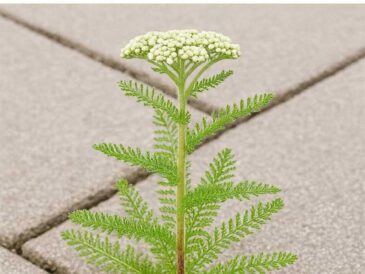
Yarrow is one of the toughest perennials available. It tolerates frost, drought, and poor soil conditions.
Its finely divided foliage emerges early in spring and handles light freezes without damage. Planting in March allows its rhizomatous root system to spread gradually before summer.
Yarrow prefers full sun and lean soil. Too much fertilizer results in floppy growth. Once established, it produces flat clusters of flowers throughout summer and attracts beneficial insects.
8. Coreopsis
Coreopsis is a long-blooming perennial that handles cool weather well. Its bright flowers add continuous color through summer.
March planting gives coreopsis time to establish a dense root network before peak bloom season. It thrives in full sun and well-drained soil and does not require heavy feeding.
With early planting, coreopsis often produces stronger and more abundant first-year blooms.
9. Astilbe
Astilbe is ideal for cooler, shaded gardens. Its feathery flower plumes appear in early to mid-summer.
Unlike many perennials, astilbe prefers moist soil and partial shade. Planting in March allows roots to anchor deeply before summer heat challenges moisture levels.
Because astilbe does not tolerate drought well, early establishment is crucial for long-term performance.
10. Shasta daisy
Shasta daisies tolerate frost and cool soil conditions. Their classic white blooms brighten borders throughout summer.
Planting in March gives their root systems time to expand before flowering begins. They prefer full sun and moderate soil fertility.
Divide clumps every few years to maintain vigor and prevent overcrowding.
11. Sedum
Sedum is frost-hardy and drought tolerant. Its succulent leaves store moisture, making it resilient once established.
March planting allows roots to grow steadily before summer dryness arrives. Sedum requires sharp drainage and thrives in full sun.
Late-season blooms provide nectar for pollinators when other flowers fade.
12. Phlox
Hardy garden phlox tolerates cool spring conditions and light frost.
Planting in March reduces transplant shock and supports strong root establishment. Phlox prefers full sun and good air circulation to prevent mildew.
Once established, it produces fragrant blooms in mid to late summer.
Why Early Root Development Matters
When perennials are planted in March, much of their growth happens below the soil surface. Cool temperatures slow leaf expansion but stimulate root branching.
A strong root system improves drought tolerance, nutrient uptake, and overall plant health. By summer, these early-planted perennials are better prepared for heat stress than those planted later in the season.
Frost-tough perennials are built for early spring conditions. Planting them in March takes advantage of cool soil, natural rainfall, and reduced transplant stress.
Hellebores bloom through frost. Peonies establish for decades. Coneflowers develop deep taproots. Yarrow and sedum prepare for summer heat.
Each plant benefits from early root growth that sets the stage for years of reliable performance.