Growing your own vegetables doesn’t always mean waiting all season for results. Some vegetables grow so quickly that you can plant them and begin harvesting in less than 30 days.
These fast growers are perfect for beginners, small gardens, raised beds, containers, and even indoor growing.
They’re also ideal for gardeners who want quick rewards, continuous harvests, and fresh food without long-term commitment.
Fast-growing vegetables thrive because they focus their energy on leaf production rather than large roots or fruits.
Many are harvested young, when they’re tender, flavorful, and packed with nutrients. With the right choices and basic care, it’s possible to enjoy homegrown vegetables in just a few weeks.
Why Fast-Growing Vegetables Are Worth Growing
Fast vegetables offer more than speed. They help fill gaps between long-season crops, make efficient use of space, and keep gardens productive throughout the year.
They’re especially useful in early spring and fall when cooler temperatures favor leafy growth.
For beginners, fast-growing vegetables build confidence. For experienced gardeners, they allow succession planting and steady harvests. Even in limited spaces, these crops deliver reliable results.
What “Harvest in Under a Month” Really Means
Many fast vegetables are harvested as baby greens rather than fully mature plants. This doesn’t reduce quality. In fact, young leaves are often more tender, milder, and more nutrient-dense than mature ones.
Some vegetables are also harvested through thinning. As seedlings are removed to create space, those young plants become food instead of waste.
Radishes
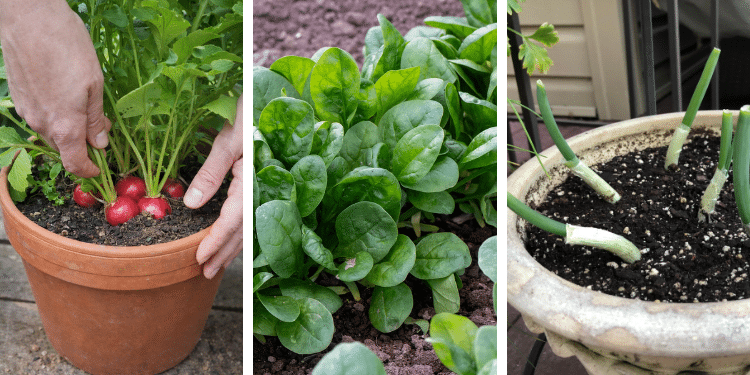
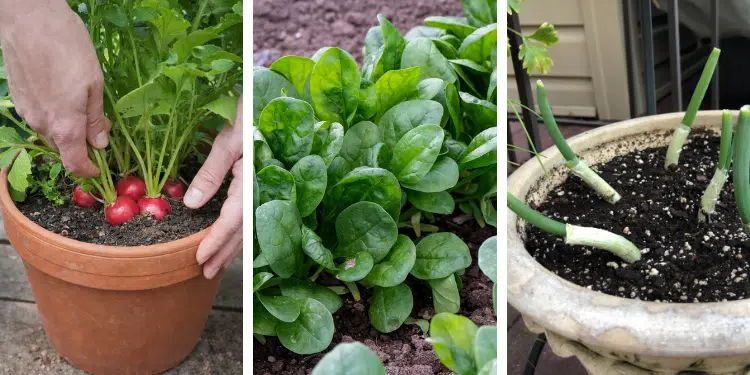
Radishes are among the fastest vegetables you can grow. In loose soil and cool conditions, they go from seed to harvest in just a few weeks.
They grow quickly because they don’t spend much energy on leaf growth before forming edible roots.
Radishes are best harvested early. Younger roots are crisp and mild, while older ones can become woody or overly spicy.
Arugula
Arugula grows rapidly and thrives in cool weather. Its quick germination and fast leaf production make it an excellent choice for early spring or fall gardens.
Harvesting arugula young keeps the flavor mild and slightly nutty. Cutting leaves above the base allows the plant to regrow and provide multiple harvests.
Spinach (Baby Leaves)
Spinach is often thought of as a longer-season crop, but baby spinach is ready in under a month. Cool temperatures encourage fast growth and prevent bitterness.
Harvesting outer leaves allows the plant to continue producing. Baby spinach is sweeter and more tender than mature leaves, making it ideal for salads and light cooking.
Leaf Lettuce
Leaf lettuce grows much faster than head lettuce and is one of the easiest fast crops. It produces loose leaves that can be harvested individually without pulling the whole plant.
Regular cutting encourages new growth, allowing repeated harvests from the same planting. Leaf lettuce also adapts well to containers and partial shade.
Mustard Greens
Mustard greens grow aggressively in cool weather and develop edible leaves quickly. When harvested young, they offer a mild, slightly peppery flavor.
As temperatures rise, mustard greens can become bitter, which is why early harvesting is important. Regular cutting keeps leaves tender and encourages continued growth.
Garden Cress
Cress is one of the fastest-growing vegetables of all. It’s often grown indoors and doesn’t require deep soil. In many cases, it can be grown on damp paper towels or shallow trays.
Cress is typically harvested within two weeks and adds a fresh, peppery flavor to sandwiches and salads.
Baby Bok Choy
Bok choy grows much faster than many people expect, especially when harvested young. Baby bok choy forms compact plants that are tender and flavorful.
Cool temperatures and consistent moisture encourage rapid growth. Entire plants can be harvested at the baby stage, or outer leaves can be removed for continued production.
Green Onions (Scallions)
Green onions are fast because you harvest the leafy tops rather than waiting for bulbs to form. They grow quickly from seed and even faster from kitchen scraps.
Cutting the tops encourages regrowth, making scallions one of the most productive fast vegetables for small spaces.
Swiss Chard (Baby Leaves)
Swiss chard is often grown as a long-season crop, but baby chard leaves are ready much sooner. Young leaves are tender and mild, with less bitterness than mature foliage.
Harvesting outer leaves allows the plant to continue growing and producing over time.
Turnip Greens
Turnip greens are an excellent example of a fast harvest hidden inside a slower crop. While turnip roots take longer to develop, the greens are ready much sooner.
Young turnip leaves are nutritious and flavorful, especially when harvested early and often.
Kale (Baby Leaves)
Kale is another vegetable that shines when harvested young. Baby kale grows quickly, has a mild flavor, and is tender enough for fresh salads.
Cool temperatures help baby kale grow fast and stay sweet. Regular harvesting encourages continued leaf production.
Beet Greens
Beets are usually grown for their roots, but the greens are ready weeks earlier. Thinning beet seedlings provides an early harvest while allowing remaining plants space to grow.
Beet greens are highly nutritious and versatile, suitable for salads, sautéing, or soups.
How to Get the Fastest Results
Fast-growing vegetables depend on consistent care. Loose soil, regular watering, and adequate light are essential.
Crowding plants closely allows you to harvest baby greens quickly, but thinning is still important to prevent competition.
Temperature also matters. Most fast vegetables grow best in cool to mild conditions. Excessive heat slows growth and reduces quality.
Best Places to Grow Fast Vegetables
Fast crops grow well in containers, raised beds, window boxes, and even indoors. Their shallow roots and quick life cycles make them ideal for small spaces.
Because they mature quickly, they’re perfect for succession planting. Sowing seeds every couple of weeks ensures a continuous supply of fresh vegetables.
Why Baby Vegetables Are Often Better
Harvesting vegetables young means softer textures, milder flavors, and fewer pest problems. Baby greens are often more nutrient-dense and easier to digest than mature leaves.
Rather than waiting for maximum size, harvesting early keeps plants productive and improves overall quality.
Fast-growing vegetables prove that gardening doesn’t have to be slow or complicated.
With the right crops and simple care, you can enjoy homegrown food in just a few weeks – even in limited space.