Creating a bee-friendly garden is not only beneficial for the environment but also enhances the beauty and productivity of your outdoor space. Bees are essential pollinators, and by planting certain flowers and herbs, you can attract these vital creatures to your garden. This article explores 12 effective plants that are known to attract bees, providing them with the nectar and pollen they need to thrive. By incorporating these plants into your garden, you can support bee populations and enjoy the vibrant life they bring.
The Importance of Attracting Bees
Bees play a crucial role in pollinating a wide variety of plants, including many of the fruits and vegetables we consume. Without bees, the production of these crops would significantly decline, affecting food supply and biodiversity. Attracting bees to your garden not only helps ensure the health of your plants but also contributes to the broader ecosystem. By providing bees with a habitat rich in nectar and pollen, you support their populations and help maintain the balance of nature.
1. Borage: A Bee Magnet
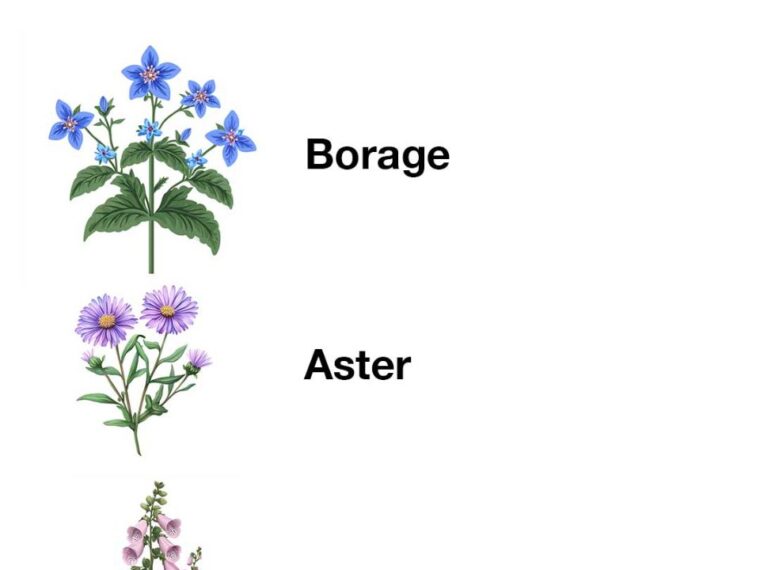
Borage, also known as starflower, is a favorite among bees due to its high nectar content. This annual herb produces vibrant blue, star-shaped flowers that bloom from early summer to fall. Borage is easy to grow and can thrive in various soil types, making it an excellent choice for any garden. Its continuous blooming period ensures a steady food source for bees, making it a must-have in a bee-friendly garden.
2. Goldenrod: A Late-Season Feast
Goldenrod is a perennial plant that blooms in late summer and fall, providing a crucial nectar source when other flowers are fading. Its bright yellow flowers are highly attractive to bees, butterflies, and other pollinators. Goldenrod is hardy and can grow in a range of conditions, from full sun to partial shade. Planting goldenrod in your garden ensures that bees have access to food late in the season, supporting their survival through the winter months.
3. Aster: A Fall Favorite
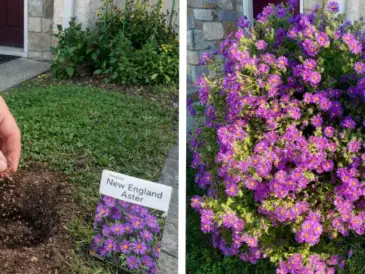
Asters are known for their daisy-like flowers that bloom in late summer and fall, offering bees a rich source of nectar and pollen. These perennials come in various colors, including purple, pink, and white, adding a splash of color to your garden. Asters are easy to grow and can adapt to different soil types, making them a versatile addition to any landscape. Their late blooming period makes them an essential plant for sustaining bee populations as the seasons change.
4. Cat Mint: A Fragrant Attraction
Cat mint, a member of the mint family, is a perennial herb that produces clusters of lavender-blue flowers. Its fragrant foliage and long blooming period make it highly attractive to bees. Cat mint is drought-tolerant and thrives in well-drained soil, making it a low-maintenance option for gardeners. By planting cat mint, you provide bees with a reliable source of nectar throughout the growing season.
5. Foxglove: A Tall Beacon
Foxglove is a striking biennial plant known for its tall spikes of tubular flowers. These flowers come in various shades of pink, purple, and white, and are particularly appealing to bumblebees. Foxglove prefers partial shade and well-drained soil, making it suitable for woodland gardens. Its height and vibrant blooms make it a standout feature in any garden, while also serving as a valuable food source for bees.
6. Sunflower: A Bright Invitation
Sunflowers are iconic for their large, sunny blooms that attract a wide range of pollinators, including bees. These annual plants are easy to grow and thrive in full sun and well-drained soil. Sunflowers provide bees with both nectar and pollen, and their seeds are a food source for birds. By planting sunflowers, you create a vibrant and inviting environment for bees and other wildlife.
7. Lavender: A Scented Haven
Lavender is a fragrant perennial herb that produces spikes of purple flowers, highly attractive to bees. Its aromatic foliage and long blooming period make it a favorite in bee-friendly gardens. Lavender thrives in full sun and well-drained soil, making it suitable for Mediterranean-style gardens. By planting lavender, you provide bees with a consistent source of nectar while enjoying its calming scent.
8. Coneflower: A Colorful Draw
Coneflowers, also known as echinacea, are hardy perennials that produce large, daisy-like flowers with prominent centers. These flowers come in various colors, including purple, pink, and white, and are highly attractive to bees. Coneflowers are drought-tolerant and thrive in full sun, making them a resilient choice for any garden. Their long blooming period ensures a steady supply of nectar for bees throughout the summer.
9. Bee Balm: A Pollinator’s Delight
Bee balm, also known as Monarda, is a perennial herb that produces vibrant, tubular flowers in shades of red, pink, and purple. Its aromatic foliage and nectar-rich blooms make it a magnet for bees, butterflies, and hummingbirds. Bee balm prefers full sun and moist, well-drained soil, making it an excellent choice for pollinator gardens. By planting bee balm, you create a lively and colorful habitat for bees and other pollinators.
10. Salvia: A Vibrant Choice
Salvia, a member of the sage family, is a perennial plant known for its spikes of tubular flowers. These blooms come in various colors, including blue, purple, and red, and are highly attractive to bees. Salvia is drought-tolerant and thrives in full sun, making it a low-maintenance option for gardeners. Its long blooming period and vibrant colors make it a valuable addition to any bee-friendly garden.
11. Rosemary: An Aromatic Lure
Rosemary is a fragrant evergreen shrub that produces small, blue flowers highly attractive to bees. Its aromatic foliage and nectar-rich blooms make it a popular choice for herb gardens. Rosemary thrives in full sun and well-drained soil, making it suitable for Mediterranean climates. By planting rosemary, you provide bees with a consistent source of nectar while enjoying its culinary uses.
12. Thyme: A Groundcover Gem
Thyme is a low-growing perennial herb that produces small, pink or purple flowers. Its aromatic foliage and nectar-rich blooms make it highly attractive to bees. Thyme is drought-tolerant and thrives in full sun and well-drained soil, making it an excellent groundcover option for gardens. By planting thyme, you create a bee-friendly environment while enjoying its culinary and medicinal benefits
Conclusion: Creating a Bee-Friendly Garden
By incorporating these 12 bee-friendly plants into your garden, you can create a vibrant and sustainable habitat for bees. These plants provide essential nectar and pollen, supporting bee populations and contributing to the health of the ecosystem. A bee-friendly garden not only benefits the environment but also enhances the beauty and productivity of your outdoor space. By making thoughtful plant choices, you can play a vital role in supporting pollinators and ensuring a thriving natural world.