Banana peels are often discarded as waste, but they are a treasure trove of nutrients that can be harnessed for gardening. Rich in potassium, phosphorus, calcium, and magnesium, banana peels can give your garden a nutritional boost. These beneficial components can be utilized in several ways to enhance plant growth, improve soil health, and deter pests. In this article, we explore 12 banana peel gardening hacks that have proven effective.
These hacks are simple, cost-effective, and environmentally friendly. Whether you are a seasoned gardener or someone just starting, incorporating banana peels into your gardening routine can yield significant benefits. From fertilizing your plants to protecting them from pests, these tips will help you make the most of what is often considered waste.
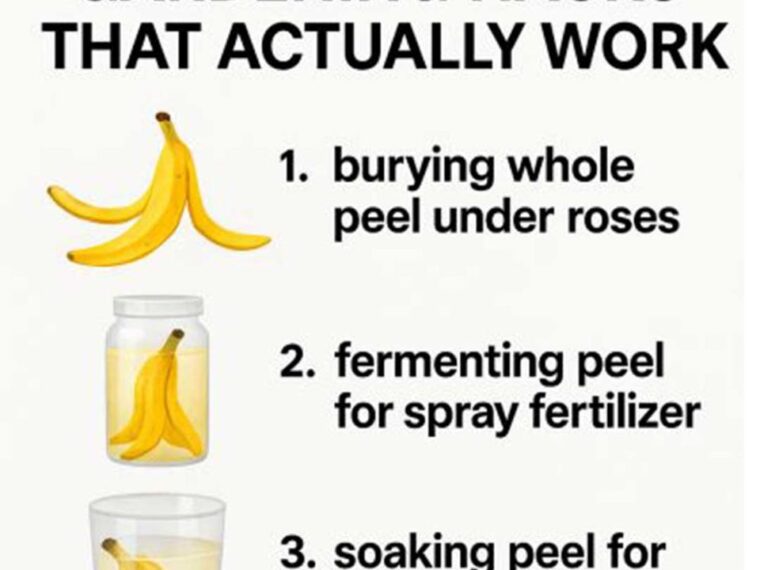
1. Burying Whole Peels Under Roses
Roses thrive on potassium, and banana peels are an excellent source. By burying whole banana peels at the base of your rose bushes, you can provide a slow-release fertilizer that will enhance blooming. Dig a small trench about 4-6 inches deep near the base of the rose bush, lay the peel flat, and cover it with soil. As the peel decomposes, it releases nutrients that are directly absorbed by the roots. This method also improves soil texture by adding organic matter.
2. Fermenting Peels for a Nutrient-Rich Spray Fertilizer
Fermenting banana peels is a way to create a natural liquid fertilizer. Start by chopping up five banana peels and placing them in a jar with a liter of water. Seal the jar and let it sit in a warm location for two weeks, shaking it occasionally. Once fermented, strain the liquid and dilute it with water in a 1:5 ratio. Use this solution to spray on the leaves and soil of your plants every two weeks to boost their growth with potassium and other nutrients.
3. Soaking Peels for a Seedling Growth Boost
To give seedlings a good start, soak banana peels in water to create a nourishing soak. Place two banana peels in a gallon of water and let them sit for 24 hours. Use the resulting banana peel water to water your seedlings. The potassium and phosphorus from the peels will promote strong root development and vigorous growth. Repeat this process every week for optimal results.
4. Drying Peels to Create a Compost Tea
Drying banana peels and using them to make compost tea can enrich your plants. Start by drying peels in an oven set at 175°F (80°C) for 2-3 hours until they are crisp. Grind the dried peels into a powder and add 1/4 cup of this powder to a gallon of water. Let it steep for 24-48 hours. Strain and use the liquid to water your plants, giving them a boost of nutrients without the need for chemical fertilizers.
5. Using Peels as a Natural Pest Deterrent
Banana peels can deter pests like aphids when used correctly. Chop up fresh banana peels and bury them just beneath the soil surface around your plants. The scent confuses small pests, keeping them at bay. Replace the peels every few days to maintain their effectiveness and prevent attracting unwanted pests like raccoons or insects looking for a meal.
6. Creating a Banana Peel Vinegar for Plant Health
Banana peel vinegar can enhance plant health by lowering soil pH and providing nutrients. To make it, fill a jar with chopped banana peels and cover them with water. Seal the jar with a cloth and rubber band, and let it sit for 4-6 weeks, stirring occasionally. Once fermented into vinegar, dilute it by mixing 1 tablespoon of banana peel vinegar with a gallon of water. Use it to water acid-loving plants like blueberries and hydrangeas.
7. Adding Peels to Compost for Enhanced Soil Quality
Adding banana peels to your compost pile is a simple way to enrich the compost with potassium and phosphorus. Chop the peels into small pieces to speed up decomposition and mix them evenly into the compost. Over time, the nutrients from the banana peels will be incorporated into the compost, creating a rich amendment that improves soil structure and fertility.
8. Making a Banana Peel Powder for Soil Amendment
Banana peel powder can be directly incorporated into the soil as a nutrient boost. To make it, dry banana peels in the oven and grind them into a fine powder. Sprinkle this powder directly onto the soil around your plants and gently work it into the top layer. The potassium-rich powder will gradually break down, providing a slow-release source of nutrients.
9. Using Peels to Attract Beneficial Insects
Banana peels can also be used to attract beneficial insects such as butterflies and bees. Simply place a few banana peels in a shallow dish or hang them from a tree branch. As they decompose, they release a sweet aroma that attracts these pollinators, which are essential for the health of your garden.
10. Making a Banana Peel Mulch for Moisture Retention
By using banana peels as mulch, you can help retain soil moisture and add nutrients. Lay whole or chopped banana peels around the base of your plants and cover them with a layer of straw or leaves to prevent them from attracting pests. This mulch layer helps retain moisture and, as it breaks down, enriches the soil with nutrients.
11. Using Banana Peels to Polish Plant Leaves
Banana peels can also be used to polish and clean plant leaves. The inside of the peel is perfect for this purpose. Simply wipe the leaves with the inside of a banana peel to remove dust and add a natural shine. This not only makes the plants look healthier but also helps with photosynthesis by keeping the leaves free of dust
12. Creating a Banana Peel Infusion for Houseplants
Houseplants can benefit from a banana peel infusion. Soak banana peels in water for 48 hours, then use the liquid to water your houseplants. This provides a mild nutrient boost, especially beneficial during the growing season. The infusion is gentle enough for most houseplants, offering them the potassium they need to thrive.