Gardening enthusiasts and plant lovers alike know that watering can be both an art and a science. While traditional methods work well, sometimes the unexpected can yield remarkable results. Enter these unconventional watering hacks that many gardeners swear by. These quirky techniques not only promise to keep your plants hydrated but also offer surprising benefits that could transform your gardening routine.
From using kitchen leftovers to repurposing household items, these hacks are not only resourceful but also environmentally friendly. Whether you’re a seasoned gardener or just starting out, these creative solutions can save water, improve plant health, and even reduce waste. Read on to discover 11 weird watering hacks that might just change the way you nurture your green spaces.
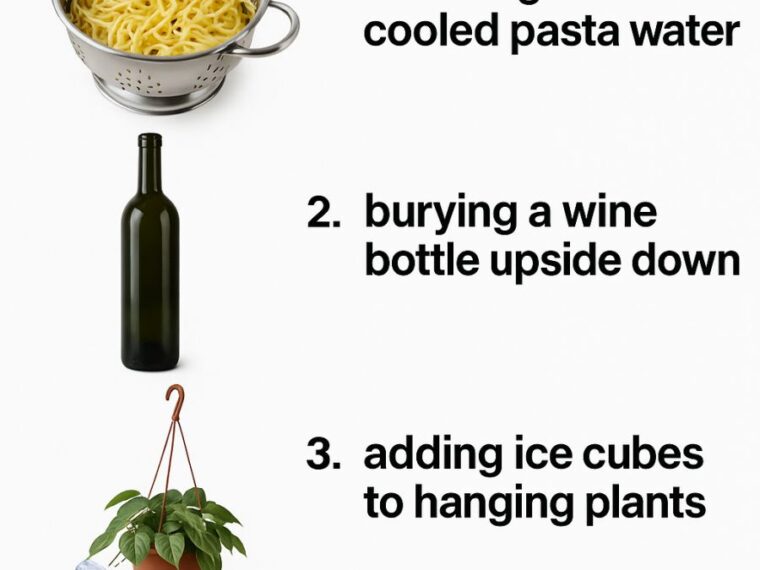
1. Watering with Cooled Pasta Water
After cooking pasta, the leftover water is often poured down the drain, but this nutrient-rich liquid can be a boon for your plants. Once the water has cooled down to room temperature, it can be used to water your garden. The water contains starches and minerals that can enrich the soil and promote plant growth.
To use pasta water effectively, simply allow it to cool completely to avoid shocking your plants with hot water. Then, pour it around the base of your plants as you would with regular water. The nutrients in the pasta water can help improve the soil structure and provide a gentle boost to your plants. Avoid using salted pasta water, as excessive salt can be harmful to plants.
2. Burying a Wine Bottle Upside Down
This hack is a simple self-watering system that can keep your plants hydrated even when you’re away. To set it up, fill a clean wine bottle with water and quickly turn it upside down, burying the neck into the soil near the base of the plant. The water will slowly seep out, providing a consistent moisture supply.
This method works well for both indoor and outdoor plants, especially during hot weather or when you’re on vacation. Ensure the bottle is securely placed in the soil to prevent tipping over. For best results, check the soil moisture regularly to adjust the watering frequency if needed.
3. Adding Ice Cubes to Hanging Plants
Hanging plants can be tricky to water, as excess water might drip through onto the floor. A neat solution is to place a few ice cubes on the soil surface. As the ice melts, it delivers water slowly, allowing the soil to absorb it gradually without causing overflow.
This method is particularly effective for orchids and other plants with delicate watering needs. Use about 2-3 ice cubes depending on the size of the pot, and ensure they are evenly spaced to distribute moisture evenly. This technique also helps prevent overwatering and reduces the risk of root rot.
4. Using Diapers for Moisture Retention
It might sound bizarre, but clean, unused diapers can be a great asset for moisture retention in your plant pots. Diapers contain absorbent materials that can retain water, helping to keep the soil moist for longer periods.
To use this hack, cut the diaper open and place the absorbent material at the bottom of the pot before adding soil and planting your plants. The diaper will absorb excess water and gradually release it as the soil dries out, reducing the need for frequent watering. This is especially useful for outdoor planters exposed to the sun.
5. Reusing Tea Bags as Plant Nourishment
Tea bags, once their beverage duty is done, can serve your plants by enriching the soil. Used tea bags contain tannic acid and nutrients that can benefit plant growth.
To use them, simply bury the used tea bags in the soil around your plants. As they decompose, they release nutrients and improve soil structure. Alternatively, you can steep used tea bags in water to create a nutrient-rich tea, which can be used to water your plants. This method not only recycles waste but also provides a natural fertilizer.
6. Hydrating with Banana Peel Water
Banana peels are rich in potassium, which is essential for plant growth. To create a nourishing drink for your plants, soak banana peels in water for a few days to extract the nutrients.
Use a jar or container to submerge the peels, and once the water turns a light brown, it’s ready to use. Water your plants with this banana peel water to give them a boost of potassium. This hack is especially beneficial for flowering plants and fruit trees, which can benefit from the extra nutrients.
7. Coffee Grounds for Improved Soil Moisture
Coffee grounds are a popular additive in gardens due to their nitrogen content and ability to improve soil texture. When mixed into the soil, coffee grounds can enhance drainage and water retention.
After enjoying your cup of coffee, save the grounds and sprinkle them onto the soil surface or mix them into the top layer. This not only helps retain moisture but also deters pests and improves soil aeration. Use sparingly and avoid piling too much, as the grounds can become compacted and affect drainage.
8. Self-Watering with a Wick System
A wick system is a simple and effective way to ensure your plants receive consistent moisture. This method involves using a piece of cotton rope or string to transfer water from a reservoir to your plant’s soil.
To set it up, place one end of the wick in a container filled with water and the other end in the soil of your plant pot. As the soil dries out, the wick will draw water from the reservoir, providing a steady supply of moisture. This hack is ideal for indoor plants and can reduce the frequency of watering.
9. Sponge at the Bottom of Pots
Placing a sponge at the bottom of a plant pot can help with water retention and prevent soil from clogging the drainage holes. This can ensure that your plants have access to moisture during dry spells.
Cut a household sponge to fit the base of your pot, then add soil and your plant. The sponge will absorb excess water during watering and release it slowly as the soil dries out. This simple hack can also prevent soil from washing away and improve overall drainage.
10. Using Watering Globes for Even Distribution
Watering globes are a convenient tool for providing plants with a steady supply of water. These glass or plastic globes are filled with water and inserted into the soil, where they gradually release water over time.
To use a watering globe, fill it with water and insert the neck into the soil at an angle. The globe will release water slowly, ensuring even distribution and preventing overwatering. This method is particularly useful for houseplants and during periods of extended absence.
11. Mulching with Newspaper to Conserve Water
Mulching is a well-known technique for conserving soil moisture, and using newspaper is an eco-friendly twist on the traditional method. Newspaper acts as a barrier, reducing evaporation and keeping the soil moist.
To apply this hack, lay several layers of newspaper around your plants, then cover with a layer of organic mulch like straw or wood chips. This combination not only conserves water but also suppresses weeds and improves soil quality as the newspaper decomposes. Be sure to use non-glossy paper and avoid colored inks, as these can be harmful to plants.