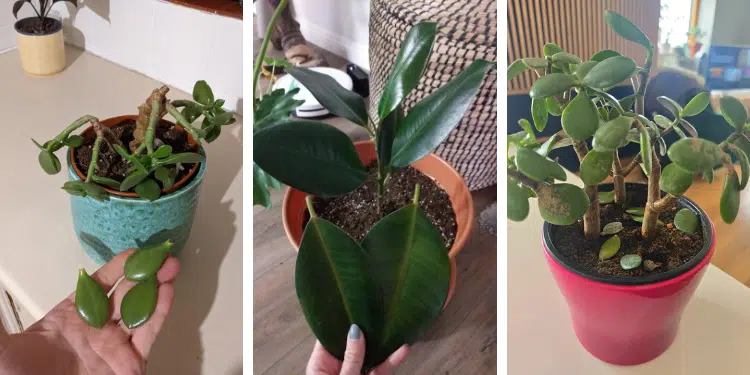
If your houseplants start dropping leaves as winter sets in, it can feel alarming – especially when once-lush plants suddenly look sparse, tired, or bare.
But here’s the truth many gardeners don’t realize: leaf drop in winter is completely normal for many houseplants.
Shorter days, lower light levels, cooler temperatures, and drier indoor air all signal plants to slow down, conserve energy, or partially rest.
For certain species, shedding leaves is a natural survival strategy – not a sign that you’re doing something wrong.
Why Houseplants Drop Leaves in Winter
Before diving into specific plants, it helps to understand why winter leaf drop happens at all.
Common winter triggers include:
- Reduced daylight hours
- Lower light intensity
- Cooler indoor temperatures
- Dry air from heating systems
- Slower growth and dormancy
Many houseplants originate from regions with seasonal changes. When winter arrives – even indoors – they respond instinctively by shedding older leaves to reduce water loss and energy demand.
As long as leaf drop is gradual and the plant looks otherwise healthy, this process is usually harmless.
1. Fiddle Leaf Fig (Ficus lyrata)
The fiddle leaf fig is infamous for dropping leaves – and winter is its most common shedding season.
Why it drops leaves in winter
- Sudden reduction in light
- Cold drafts near windows
- Temperature fluctuations
- Reduced watering frequency
Fiddle leaf figs are highly sensitive to environmental changes. When winter arrives, they often shed older bottom leaves to conserve energy.
What’s normal
- Dropping a few lower leaves
- Slower growth
- Firmer remaining leaves
What helps
- Bright, indirect light
- Stable temperature
- Avoid moving the plant
2. Rubber Plant (Ficus elastica)
Rubber plants are tough, but they still react to winter conditions.
Why leaf drop occurs
- Lower light levels
- Overwatering in colder soil
- Cool nighttime temperatures
Rubber plants naturally reduce growth in winter, and older leaves may yellow and fall off.
What’s normal
- One or two leaves dropping at a time
- Leaves falling from the bottom upward
What helps
- Allow soil to dry more between watering
- Keep away from cold windows
- Bright indirect light
3. Weeping Fig (Ficus benjamina)
Weeping figs are notorious winter leaf droppers.
Why it happens
- Extremely sensitive to light changes
- Reacts strongly to temperature shifts
- Stress from indoor heating
Even small changes in environment can cause dramatic leaf drop.
What’s normal
- Sudden leaf shedding after moving the plant
- Bare branches that regrow in spring
What helps
- Do not relocate the plant
- Keep humidity moderate
- Consistent watering routine
4. Croton (Codiaeum variegatum)
Crotons are tropical plants that struggle in winter indoors.
Why crotons drop leaves
- Low humidity
- Insufficient light
- Temperature drops below comfort range
Crotons often drop leaves as a stress response but rebound once conditions improve.
What’s normal
- Leaf drop combined with slowed growth
- Temporary loss of color intensity
What helps
- Bright light (even winter sun)
- Higher humidity
- Warm, stable location
5. Chinese Evergreen (Aglaonema)
Aglaonema is hardy – but winter still slows it down.
Why leaf drop occurs
- Reduced light
- Cooler indoor temperatures
- Overwatering
This plant may shed older leaves while conserving energy.
What’s normal
- Occasional yellowing leaves
- Slow, steady leaf drop
What helps
- Let soil dry slightly
- Avoid cold drafts
- Moderate light
6. Dracaena (All Varieties)
Dracaenas commonly drop leaves in winter, especially from the lower portion of the plant.
Why dracaenas shed leaves
- Reduced daylight
- Dry indoor air
- Overwatering
Dracaenas naturally grow upward, shedding older leaves over time – winter simply accelerates this process.
What’s normal
- Gradual lower leaf drop
- Firm, healthy stems
What helps
- Water less frequently
- Increase humidity
- Keep away from heating vents
7. Hibiscus (Indoor Varieties)
Indoor hibiscus plants often look dramatic in winter – but leaf drop is expected.
Why hibiscus drops leaves
- Dormancy triggered by low light
- Cooler indoor temperatures
- Reduced watering
Hibiscus may drop most or even all leaves, entering a semi-dormant state.
What’s normal
- Bare stems with green tissue
- Leaf regrowth in spring
What helps
- Bright light if possible
- Minimal watering
- Patience
8. Schefflera (Umbrella Plant)
Schefflera plants respond strongly to winter stress.
Why leaf drop occurs
- Sudden temperature drops
- Overwatering in winter
- Insufficient light
Umbrella plants may shed leaf clusters while maintaining a healthy stem structure.
What’s normal
- Some leaf loss at branch tips
- Slow growth
What helps
- Allow soil to dry
- Bright, indirect light
- Stable environment
9. Jade Plant (Crassula ovata)
Succulents like jade plants also drop leaves in winter – especially if conditions aren’t ideal.
Why jade plants shed leaves
- Overwatering during dormancy
- Low light
- Cold exposure
Jade plants enter a rest period in winter and may drop leaves to conserve moisture.
What’s normal
- Occasional leaf drop
- Firmer stems and branches
What helps
- Water sparingly
- Plenty of light
- Warm location
10. Peace Lily (Spathiphyllum)
Peace lilies are expressive plants – and winter often stresses them.
Why peace lilies drop leaves
- Dry air
- Reduced light
- Cold drafts
Leaves may yellow, droop, and fall as growth slows.
What’s normal
- Leaf drop combined with fewer flowers
- Recovery in spring
What helps
- Moderate watering
- Increased humidity
- Bright indirect light
11. Bougainvillea (Grown Indoors)
Bougainvillea is semi-deciduous and naturally drops leaves in winter.
Why leaf drop is normal
- Dormancy response
- Lower light
- Cooler temperatures
This plant often looks bare for months – then explodes with growth in spring.
What’s normal
- Heavy leaf drop
- Woody stems remaining healthy
What helps
- Minimal watering
- Bright light
- Avoid fertilizing
How to Tell Normal Leaf Drop From a Problem
Leaf drop is normal – but not all leaf drop is harmless.
Normal winter leaf drop:
- Gradual
- Affects older leaves first
- Plant stems remain firm
- No foul smell from soil
Warning signs:
- Mushy stems
- Black or brown spots spreading rapidly
- Sudden mass leaf loss
- Persistent wet soil
If you see warning signs, check for root rot, pests, or severe environmental stress.
What You Should NOT Do in Winter
Many well-meaning actions actually worsen winter leaf drop.
Avoid:
- Overwatering
- Fertilizing dormant plants
- Repotting unless absolutely necessary
- Moving plants frequently
- Forcing growth with heat
Winter is a rest period, not a growth phase.
How to Support Plants Through Winter Leaf Drop
Simple steps make a big difference:
- Reduce watering frequency
- Increase humidity gently
- Clean fallen leaves promptly
- Provide the best light available
- Keep temperatures stable
Think of winter as maintenance mode, not recovery mode.
Will Leaves Grow Back?
In most cases – yes.
As daylight increases in spring:
- Dormant buds activate
- New leaves emerge
- Growth resumes naturally
Winter leaf drop does not mean permanent damage.
Seeing leaves fall in winter can be unsettling, but for many houseplants, it’s a natural and necessary process.
Leaf drop allows plants to conserve energy, survive seasonal stress, and prepare for strong spring growth.