February feels like the heart of winter, but for experienced gardeners, it’s already the real beginning of the growing season.
While outdoor soil may still be cold or frozen, many vegetables benefit enormously from an early start indoors or under protection.
Waiting until March often means rushed growth, delayed harvests, and plants that never quite reach their full potential.
Starting vegetables in February gives slow growers the long runway they need, allows cool-season crops to mature at the right time, and helps gardeners get ahead of pests, heat stress, and short growing windows.
With the right setup – indoors, in a greenhouse, cold frame, or under simple row covers – you can build strong, resilient plants weeks before spring officially arrives.
Why February Is a Critical Month for Starting Vegetables
February sits in a unique position in the gardening calendar. Day length is increasing, but temperatures are still low. This combination makes it ideal for controlled growing environments.
Starting vegetables now allows you to:
- Grow stronger root systems before transplanting
- Avoid heat stress later in the season
- Harvest earlier and for a longer period
- Make better use of short growing seasons
- Reduce pest pressure by getting ahead
The key is matching the right vegetable with the right level of protection.
Vegetables to Start Indoors in February
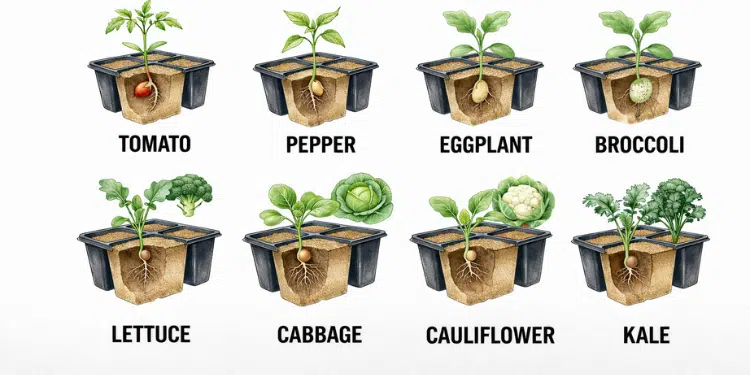
Indoor seed starting works best for vegetables that grow slowly, need warmth to germinate, or require a long season to mature.
Peppers (Sweet and Hot)
Peppers are one of the most important vegetables to start early. They grow slowly at first and require warm temperatures to germinate and thrive.
Starting peppers in February allows them to develop thick stems and strong roots before transplanting outdoors.
Without an early start, peppers often flower late and produce fewer fruits, especially in cooler climates.
Eggplant
Eggplant has similar requirements to peppers and benefits just as much from early indoor sowing. It needs warmth, consistent light, and time to establish before being exposed to outdoor conditions.
February-started eggplants are noticeably larger, sturdier, and more productive by midsummer.
Tomatoes (Large and Long-Season Varieties)
While not all tomatoes need a February start, large-fruited, indeterminate, and heirloom varieties benefit greatly.
These tomatoes take longer to mature and perform best when they enter the garden already well-developed.
Early indoor starts lead to earlier flowering and longer harvests.
Onions (From Seed)
Onions grown from seed must be started early. Bulb size depends on day length, not planting date. If onions are too small when long days arrive, they will never size up properly.
February is ideal for starting onion seeds indoors to ensure full-sized bulbs later in the season.
Leeks
Leeks are extremely slow-growing and need a long season. February sowing gives them enough time to develop thick, flavorful stalks by fall.
Late-started leeks often remain thin and underwhelming.
Celery
Celery is famously slow and demanding. Seeds take time to germinate, and seedlings grow gradually. Starting celery in February is almost essential for success, especially outside of warm climates.
Early starts lead to sturdier plants and better texture.
Artichokes
Artichokes are long-season vegetables that benefit from early establishment. Starting them indoors in February increases the chances of producing buds in the first year, particularly in cooler regions.
Herbs That Grow Slowly
Certain herbs should be started early because they take a long time to establish from seed.
These include:
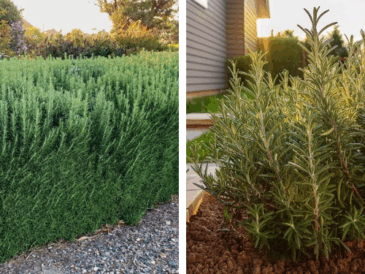
- Rosemary
- Thyme
- Oregano
- Sage
- Lavender
February sowing allows them to build roots instead of struggling later in the season.
Vegetables You Can Start Under Cover in February
“Under cover” includes cold frames, unheated greenhouses, hoop houses, low tunnels, and row covers. These methods protect seedlings from frost while allowing them to grow in natural light.
Lettuce
Lettuce thrives in cool conditions and can be started under cover in February. Early sowing leads to tender leaves before heat causes bitterness.
With protection, lettuce grows steadily and can be harvested weeks earlier.
Spinach
Spinach is one of the most cold-tolerant vegetables. Under cover, it germinates and grows slowly but reliably in February.
Early spinach produces sweeter leaves and avoids bolting later in spring.
Kale
Kale handles cold extremely well and benefits from early sowing. February-started kale grows strong roots and produces tender leaves long before direct-sown crops.
Swiss Chard
Swiss chard tolerates cool temperatures and grows well under protection. Starting it in February gives you earlier harvests and stronger plants that last longer into summer.
Cabbage
Cabbage is a classic cool-season crop that thrives when started early. Under cover, seedlings grow steadily and can be transplanted as soon as soil is workable.
Early cabbage heads form before pests and heat become severe.
Broccoli
Broccoli benefits from cool temperatures and often performs poorly when started too late. February sowing under cover produces sturdy plants that form heads before warm weather causes stress.
Cauliflower
Like broccoli, cauliflower prefers cool, steady growth. Early starts improve head formation and reduce the risk of small or uneven curds.
Peas (In Mild Climates)
In regions with mild winters, peas can be started under cover in February. Protection helps them establish without rot or frost damage.
Early peas flower and produce before heat shortens their season.
Radishes
Radishes grow quickly and can be started under cover for very early harvests. February sowing produces crisp roots before temperatures rise.
Choosing Between Indoors and Under Cover
The decision depends on temperature sensitivity and growth speed.
Choose indoors if the vegetable:
- Needs warmth to germinate
- Grows slowly at first
- Requires a long season
Choose under cover if the vegetable:
- Tolerates cold
- Grows quickly
- Performs best in cool weather
Some gardeners use both methods to stagger harvests.
Common February Seed-Starting Mistakes
Starting early only works if conditions are right. The most common mistakes include:
- Insufficient light indoors, leading to leggy seedlings
- Overwatering in cold conditions
- Starting too many seeds without space to up-pot
- Forgetting to harden off plants before transplanting
Good light, airflow, and patience are essential.
How February Starts Lead to Better Harvests
Vegetables started in February don’t just mature earlier – they grow better. Strong early roots lead to improved nutrient uptake, better drought tolerance, and more consistent production.
Plants that aren’t rushed through their early stages handle stress far more effectively later on.
February is not too early – it’s often exactly right. Starting vegetables indoors or under cover this month gives slow growers the time they need and cool-season crops the conditions they prefer.