Gardening is both an art and a science. It involves understanding the intricate relationships between plants and how they can either compete or complement each other in the same space. Companion planting is a time-honored gardening technique that utilizes these relationships to enhance growth, repel pests, and improve yields. While some plant pairings are well-known, others might surprise you with their ability to transform your garden.
In this article, we will explore ten surprising plant pairings that not only boost growth but also improve the overall health of your garden. From the classic duo of basil and tomatoes to the colorful alliance of eggplants and amaranth, these combinations will inspire you to experiment and optimize your gardening endeavors.
1. Basil and Tomatoes: The Classic Duo
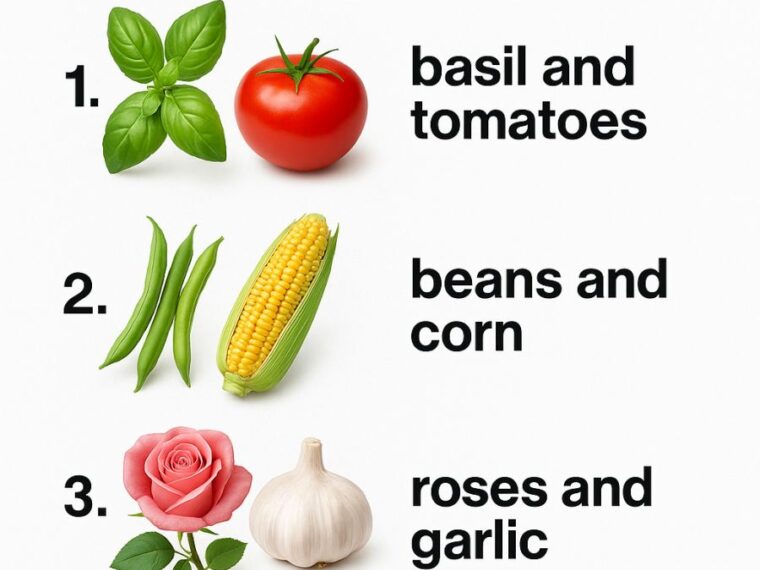
Basil and tomatoes are a match made in heaven, both in the kitchen and in the garden. Planting basil near tomatoes can help to repel pests such as aphids, whiteflies, and tomato hornworms. The aromatic oils in basil act as a natural deterrent, protecting the tomatoes from these common nuisances.
Additionally, basil is believed to enhance the flavor of tomatoes. While the scientific evidence is limited, many gardeners swear by the improved taste when these two plants are grown together. For optimal growth, plant basil 12-18 inches apart from tomato plants, ensuring they receive full sun and well-drained soil.
2. Beans and Corn: The Three Sisters Method
The Three Sisters Method is a traditional Native American planting technique that involves growing beans, corn, and squash together. Although squash is typically part of this trio, beans and corn work particularly well together. Corn provides a natural support structure for climbing beans, eliminating the need for trellises.
Meanwhile, beans fix nitrogen in the soil, enriching it for the corn, which is a heavy feeder. To implement this method, plant corn in small mounds with beans sown around the base at a distance of 6 inches. This symbiotic relationship results in improved growth and yields for both crops.
3. Roses and Garlic: Natural Pest Repellent
Roses are a cherished addition to any garden but can fall victim to pests such as aphids and black spot fungus. Planting garlic nearby offers a natural solution to these problems. The sulfur compounds in garlic act as a fungicide and insect repellent, reducing the need for chemical treatments.
To maximize the benefits, plant garlic cloves around the base of rose bushes at a depth of 2 inches and 4 inches apart. The aroma of garlic not only keeps pests at bay but also enhances the overall health and vigor of the roses.
4. Carrots and Onions: Mutual Growth Boosters
Carrots and onions are a perfect pairing in the garden, as they help each other grow while keeping pests away. Onions emit a strong odor that deters carrot flies, while carrots can help to break up the soil, allowing onions to access nutrients more easily.
For best results, plant onion sets and carrot seeds in alternating rows, leaving about 4 inches of space between rows. This arrangement ensures that both plants have enough room to develop while benefiting from each other’s presence.
5. Cabbage and Dill: A Flavorful Partnership
Dill and cabbage make an excellent team when planted together. Dill attracts beneficial insects such as ladybugs and parasitic wasps, which help control cabbage pests like aphids and cabbage loopers. Additionally, dill can enhance the flavor of cabbage, making it a flavorful partnership.
To take advantage of this pairing, plant dill seeds around cabbage plants, maintaining a distance of 12 inches to prevent overcrowding. This combination not only improves growth but also contributes to a healthier ecosystem in your garden.
6. Nasturtiums and Radishes: Pest Deterrent Combo
Nasturtiums and radishes are a dynamic duo that can significantly enhance your garden’s pest control strategy. Nasturtiums act as a trap crop, attracting pests such as aphids and flea beetles away from radishes, which are prone to these insects.
Plant nasturtiums around the perimeter of your radish beds, spacing them about 8 inches apart. This setup creates a protective barrier, allowing radishes to thrive without the threat of pest damage, while the vibrant nasturtium flowers add a splash of color to your garden.
7. Spinach and Strawberries: Shady Companions
Spinach and strawberries make an unexpected yet effective pairing. Spinach thrives in the cool, shady conditions provided by the sprawling foliage of strawberry plants, which also helps retain soil moisture and suppress weeds.
To plant these companions, alternate rows of strawberries and spinach, ensuring each row has sufficient space—about 12 inches apart. This arrangement helps both plants to benefit from shared resources, resulting in improved growth and yields.
8. Cucumbers and Sunflowers: A Supportive Relationship
Cucumbers and sunflowers form a supportive relationship that benefits both plants. Sunflowers provide a natural trellis for climbing cucumber vines, allowing them to grow vertically and saving space in your garden.
In return, cucumbers offer ground cover that helps retain soil moisture for the sunflowers. Plant sunflowers about 12 inches apart in a row, then sow cucumber seeds at the base of each sunflower, spacing them 6 inches apart. This combination creates a beautiful and functional display in your garden.
9. Lettuce and Carrots: Space-Saving Pair
Lettuce and carrots can be planted together to maximize space and improve growth. Lettuce grows quickly and provides shade for the slower-growing carrots, helping to keep the soil cool and moist, which is ideal for carrot development.
For optimal results, plant lettuce seeds in between rows of carrot seeds, leaving about 8 inches of space between rows. This arrangement ensures efficient use of garden space and creates a microclimate that benefits both crops.
10. Marigolds and Tomatoes: Soil Health Enhancers
Marigolds and tomatoes are a classic pairing known for their ability to improve soil health. Marigolds release compounds that deter nematodes, which can damage tomato roots. Additionally, their bright flowers attract pollinators and beneficial insects.
To take advantage of this pairing, plant marigolds around the perimeter of your tomato beds, spacing them about 10 inches apart. This setup not only protects tomatoes but also adds vibrant color to your garden landscape.
11. Eggplants and Amaranth: A Colorful Alliance
Eggplants and amaranth create a visually stunning and mutually beneficial partnership. Amaranth acts as a living mulch for eggplants, shading the soil and conserving moisture. It also attracts beneficial insects that help control eggplant pests
Plant amaranth seeds around your eggplants, leaving about 18 inches of space between plants to allow for sufficient growth. This combination not only boosts growth but also adds a vibrant mix of colors and textures to your garden.