Pruning, the art and science of cutting away dead or overgrown branches or stems, is an essential gardening practice that can significantly influence the health and appearance of plants. While traditional methods involve using sharp tools like shears or pruners during the growing season, there are a myriad of unusual pruning habits that some gardeners swear by to keep their plants thriving. These unconventional methods often emerge from generations of anecdotal evidence, cultural practices, or personal experimentation, and they can be surprisingly effective.
In this article, we explore ten strange pruning habits that deviate from the norm but have shown remarkable results in promoting plant health and growth. From using serrated kitchen knives to pruning during a full moon, these methods might sound peculiar, but they each have a unique rationale and fascinating background. Whether you’re a seasoned horticulturist or a curious beginner, these intriguing techniques might inspire you to experiment with your own gardening practices.
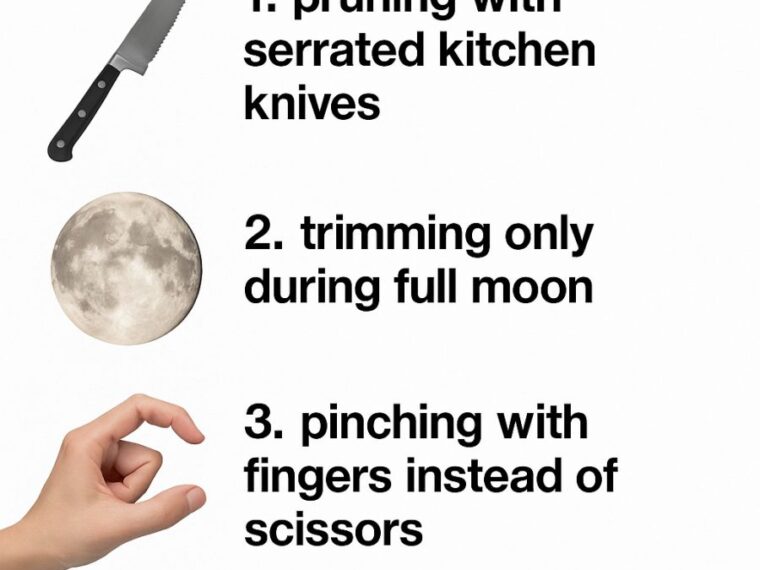
1. Pruning with Serrated Kitchen Knives
While most gardeners reach for their trusty shears, some prefer the use of serrated kitchen knives for pruning. The serrated edge allows for a sawing motion, which can be particularly useful for cutting through thicker branches without crushing them. A serrated knife can cut through branches up to 1 inch in diameter with ease. This method minimizes the risk of leaving jagged edges on the plant, which can lead to disease or pest infestation.
Interestingly, this technique is favored by some bonsai enthusiasts who require precision when shaping their miniature trees. The fine control offered by a kitchen knife helps in making clean cuts, promoting faster healing and reducing stress on the plant. However, it’s crucial to ensure that the knife is thoroughly cleaned and sanitized before use to prevent the spread of pathogens.
2. Trimming Only During a Full Moon
The practice of moon gardening is steeped in ancient tradition, with some gardeners believing that the lunar cycle affects plant growth. Trimming plants only during a full moon is thought to harness the moon’s gravitational pull, which supposedly encourages stronger growth and better nutrient absorption.
Advocates of this practice argue that the full moon’s light and gravitational forces enhance the plant’s natural rhythms, leading to more vigorous growth. While scientific evidence is limited, many gardeners who follow this practice report healthier and more resilient plants. This method is especially popular in biodynamic farming, where lunar cycles are an integral part of the agricultural calendar.
3. Pinching with Fingers Instead of Scissors
Pinching involves removing the tips of stems using your fingers rather than cutting them with scissors. This technique is particularly effective for promoting bushier growth in plants such as herbs and some ornamental species. By pinching the stem tips, gardeners encourage the plant to branch out, resulting in a fuller and more lush appearance.
This method is favored for its simplicity and the tactile feedback it provides, allowing gardeners to better gauge the right amount of pressure needed to remove the stem without damaging the plant. It’s especially useful for soft-stemmed plants where precision is needed to avoid tearing the plant tissue.
4. Removing Leaves with Toothpicks
Using toothpicks to remove leaves might seem odd, but this method allows for precise removal of small leaves without damaging the surrounding plant tissue. This technique is especially useful for delicate plants like orchids, where excessive force or larger tools could cause harm.
By carefully inserting the toothpick at the base of the leaf and gently prying it away, gardeners can maintain the plant’s aesthetic and prevent disease. This method requires patience and a steady hand, but it can be remarkably effective for maintaining the health and appearance of small, delicate plants.
5. Singing to Plants While Pruning
The idea that talking or singing to plants can influence their growth has been around for decades. While the scientific community remains divided on the effects of sound on plant growth, some gardeners claim that singing to their plants while pruning creates a calming environment that reduces plant stress.
Sound vibrations from singing might mimic natural vibrations in the environment, potentially enhancing the plant’s growth. Moreover, singing can have a calming effect on the gardener, which in turn can lead to more precise and careful pruning. Whether or not the plants directly benefit from the singing, the practice can enhance the overall gardening experience.
6. Pruning Underwater for Sensitive Plants
For aquatic or highly sensitive plants, pruning underwater can minimize stress and reduce the risk of air exposure that can lead to wilting. This method is particularly useful for plants like water lilies or submerged aquarium plants.
By pruning underwater, gardeners can avoid the rapid loss of moisture that occurs when sensitive plants are exposed to air. This technique is often employed in aquascaping, where maintaining the health and appearance of underwater plants is crucial. It requires careful handling and a gentle touch to avoid damaging delicate stems and leaves.
7. Using Sandpaper for Delicate Stems
Using fine-grit sandpaper to gently remove unwanted growth on delicate stems can be a surprisingly effective method. This technique allows for more control than traditional pruning tools, particularly for fragile plants that might not withstand the force of cutting.
This method involves lightly sanding away small buds or shoots that are not needed, promoting healthier growth in the desired areas. Care must be taken to use very fine-grit sandpaper, around 400-grit, to avoid damaging the plant’s surface. This technique is often used by gardeners who cultivate succulents or other plants with sensitive outer layers.
8. Pruning at Night to Reduce Stress
Pruning at night can reduce the stress on plants, as the cooler temperatures and reduced light can help minimize water loss and shock. This technique is particularly useful in hot climates where daytime pruning could lead to excessive transpiration and plant stress.
By pruning at night, gardeners can take advantage of the plant’s natural downtime, as many processes slow down during the night. This method can lead to faster recovery and less visible scarring on the plant. It’s important to ensure good lighting when pruning at night to maintain precision and safety.
9. Applying Essential Oils Before Pruning
Some gardeners believe that applying essential oils such as lavender or tea tree oil to plants before pruning can protect against infection and promote healing. The antimicrobial properties of these oils are thought to create a barrier against pathogens that might enter through fresh cuts.
This practice involves diluting essential oils with water and lightly spraying the plant before making any cuts. The aromatic compounds in the oils might also deter pests, providing an added layer of protection. However, it’s important to test the oil on a small area first to ensure the plant doesn’t have an adverse reaction.
10. Using Ice Cubes for Precise Cuts
Using ice cubes to make precise cuts on plants is an unusual technique that involves freezing the part of the plant to be removed. This can help in making cleaner cuts, especially on thicker stems or branches.
By temporarily freezing the plant tissue, gardeners can reduce cell damage and make more precise cuts with minimal effort. This method is particularly useful for plants with thicker stems where traditional cutting tools might struggle. It’s important to use this technique carefully to avoid freezing the plant too much, which could cause damage.
11. Pruning in the Shape of Geometric Patterns
Pruning plants into geometric patterns not only enhances their aesthetic appeal but can also promote healthier growth by ensuring even light distribution and airflow. This method is often used in topiary, where plants are shaped into intricate designs.
By strategically removing branches and leaves, gardeners can create shapes like spheres, cubes, or spirals. This requires careful planning and regular maintenance to preserve the desired shape. While this practice is more about visual appeal, the increased sunlight and airflow can benefit the plant’s overall health.