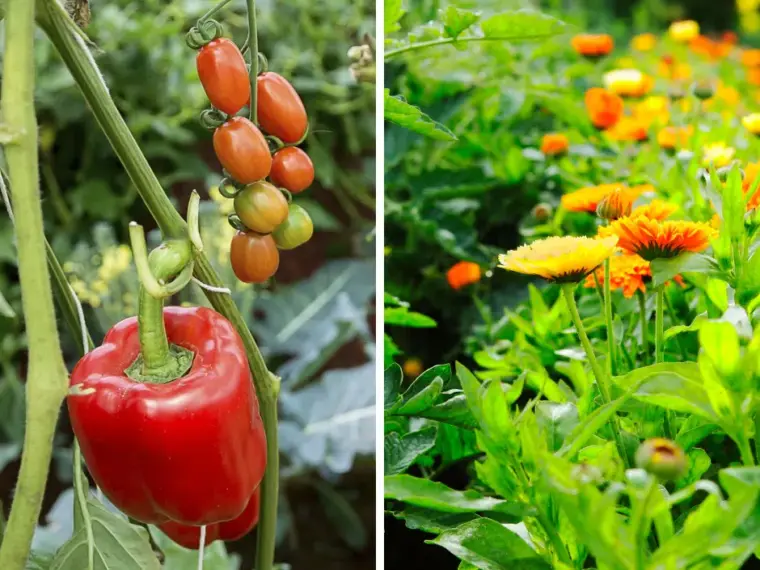
Peppers (Capsicum annuum and related species) are among the most rewarding vegetables to grow in home gardens.
Whether you prefer sweet bell peppers or spicy chili varieties, these plants thrive when given the right companions.
But just as some plants boost peppers’ growth, flavor, and resistance to pests, others can stunt development, spread disease, or invite unwanted insects.
Part I: 10 Plants That Should Never Grow Near Peppers
1. Beans (Pole & Bush Varieties)
Problem: Beans fix nitrogen in the soil, which peppers only need in moderation. Excess nitrogen encourages leafy growth at the expense of fruit.
Additional issue: Pole beans can also climb and shade peppers, reducing light exposure.
2. Fennel
Problem: Fennel secretes compounds (allelopathy) that inhibit growth of nearby plants, including peppers.
Result: Stunted pepper plants, reduced fruiting, and weaker root systems.
3. Cabbage & Brassicas (Broccoli, Cauliflower, Kale, Brussels Sprouts)
Problem: These heavy feeders compete for nutrients, especially phosphorus and potassium, which peppers need for strong fruit production.
Pest concern: Brassicas also attract aphids and cabbage worms, which can spill over onto peppers.
4. Kohlrabi
Problem: Similar to cabbage, kohlrabi competes heavily for nutrients.
Impact: Can cause pepper plants to become pale and weak due to nutrient stress.
5. Apricot Trees
Problem: Peppers (especially hot peppers) are susceptible to a fungus called Verticillium wilt, which can spread to apricot roots.
Impact: Increases the risk of disease both for trees and peppers.
6. Potatoes
Problem: Potatoes and peppers belong to the same nightshade family (Solanaceae) and share similar pests and diseases, such as Colorado potato beetle and blight.
Impact: Planting them together increases the risk of cross-infestation.
7. Eggplant
Problem: Another nightshade relative, eggplant competes with peppers for nutrients and attracts pests like flea beetles.
Impact: Higher chance of infestations and slower growth.
8. Corn
Problem: Corn attracts corn earworms, which also target pepper fruit.
Impact: Creates a pest magnet situation, where both crops suffer.
9. Walnut Trees (Black Walnut in Particular)
Problem: Walnuts release juglone, a chemical toxic to peppers.
Impact: Causes “walnut wilt,” stunting peppers or killing them outright.
10. Anise
Problem: Anise is mildly allelopathic and can inhibit germination and growth of peppers.
Impact: Slower pepper development and reduced yields.
Part II: 8 Beneficial Companions for Peppers
1. Basil
Benefit: Repels thrips, flies, and mosquitoes. Some gardeners claim basil also enhances the flavor of peppers.
Tip: Plant basil close to peppers for mutual benefits.
2. Carrots
Benefit: Carrots loosen compact soil, helping pepper roots spread easily.
Tip: Their underground growth doesn’t compete much with peppers’ shallow roots.
3. Onions, Chives & Garlic
Benefit: Members of the allium family repel aphids, spider mites, and slugs.
Tip: Interplant around pepper beds for natural pest control.
4. Spinach & Lettuce
Benefit: Act as living mulch, suppressing weeds and helping retain soil moisture.
Tip: Harvest them before peppers mature, freeing up space.
5. Tomatoes
Benefit: Another nightshade, but when grown carefully, tomatoes help create shade and shelter for peppers.
Caution: Watch for shared diseases; rotate crops yearly.
6. Marigolds
Benefit: Natural nematode and aphid repellents. Their bright flowers also attract pollinators.
Tip: French marigolds are especially effective.
7. Nasturtiums
Benefit: Act as a trap crop, drawing aphids and whiteflies away from peppers.
Tip: Grow nasturtiums nearby but not too close – let pests stay on them.
8. Oregano
Benefit: Provides groundcover to prevent weeds and retains soil moisture.
Bonus: Its strong scent repels harmful insects.
Designing a Pepper Companion Planting Layout
Row Planting
- Alternate rows of peppers and carrots.
- Border beds with basil and onions.
- Add marigolds between pepper plants for color and pest control.
Container Gardens
- Peppers grow well in pots with basil or oregano.
- Place marigolds around containers to keep aphids away.
Raised Beds
- Combine peppers with lettuce/spinach early in the season.
- Replace harvested greens with basil and nasturtiums mid-summer.
Seasonal Care Tips
- Rotate crops yearly: Avoid planting peppers after potatoes, tomatoes, or eggplants.
- Mulch properly: Use straw or grass clippings to retain moisture and prevent weeds.
- Pruning: Light pruning improves airflow, reducing disease risks.
- Fertilization: Use a balanced fertilizer (low nitrogen, higher phosphorus & potassium).
Frequently Asked Questions
Q: Can peppers and cucumbers grow together?
Yes, cucumbers are neutral companions and won’t harm peppers.
Q: Should peppers be near strawberries?
Yes, strawberries can help suppress weeds and don’t compete much with peppers.
Q: Can peppers and beans grow in the same bed?
Not ideal – beans add too much nitrogen, which promotes leaves instead of fruit.
Companion planting is one of the simplest yet most effective ways to maximize pepper harvests while reducing pests and disease naturally.
Avoid pairing peppers with heavy feeders, nightshade relatives, or allelopathic plants like fennel and walnuts.
Instead, surround them with beneficial herbs, vegetables, and flowers like basil, carrots, onions, and marigolds.