As the vibrant hues of autumn leaves begin to blanket your garden, the task of leaf cleanup becomes inevitable. While it might seem straightforward, there are numerous pitfalls that gardeners often fall into during this seasonal chore. Proper leaf management not only maintains the aesthetic appeal of your garden but also ensures the health and sustainability of your soil and plants.
However, many common practices can inadvertently harm your garden or the environment. In this article, we will explore 10 common leaf cleanup mistakes and how to avoid them, helping you turn this autumn task into an opportunity for enhancing your garden’s health and beauty.
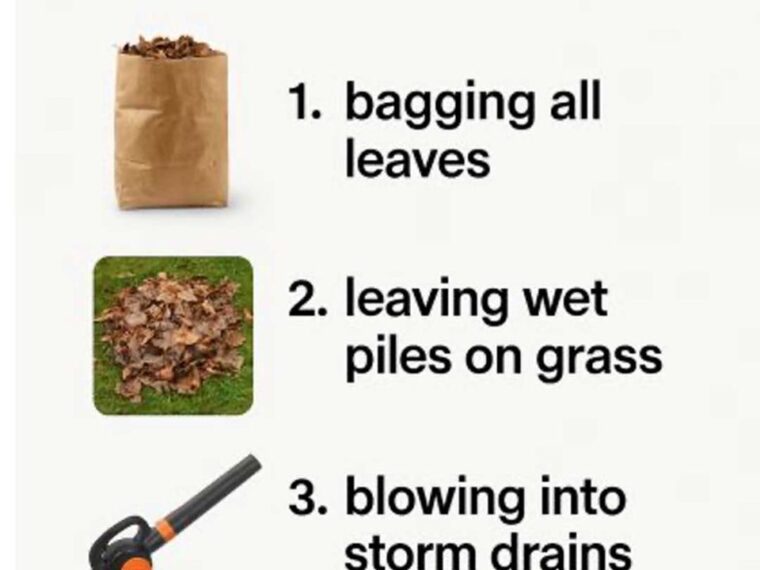
1. Bagging All Leaves Instead of Mulching
Many gardeners make the mistake of bagging every leaf, missing out on the benefits of mulching. Mulching involves shredding leaves and spreading them as a natural fertilizer over garden beds. By mulching, you can improve soil fertility, retain moisture, and suppress weeds. A layer of 2 to 3 inches of shredded leaves can provide insulation and nutrients to the soil as they decompose.
Not only does mulching reduce waste, but it also saves time and effort. Instead of bagging and disposing of leaves, simply mow over them with a mulching mower. This method allows the leaves to break down faster and integrate into the soil, enhancing its structure and health.
2. Leaving Wet Piles on Grass
Piling up wet leaves on your lawn can smother the grass and lead to unsightly dead patches. Wet leaves create a barrier that blocks sunlight and air, essential components for healthy grass growth. This can result in a lawn that struggles to recover in the spring.
To avoid this, regularly rake leaves and ensure they are not left in thick piles. If possible, allow leaves to dry out before collecting them, or use a leaf blower to distribute them evenly across your lawn. This approach prevents damage and maintains the health and appearance of your grass.
3. Blowing Leaves into Storm Drains
Blowing leaves into storm drains might seem like a quick fix, but it’s a practice that can cause significant environmental harm. Leaves that enter storm drains often end up in local waterways, where they can contribute to nutrient pollution. This can lead to algal blooms and negatively impact aquatic ecosystems.
Instead, collect leaves for composting or mulching, or consider curbside leaf collection services if available in your area. By managing leaves responsibly, you help protect water quality and local wildlife habitats.
4. Removing Habitat for Pollinators
Leaves left in garden beds can serve as important habitats for overwintering pollinators and beneficial insects. By clearing away every leaf, you may inadvertently destroy these habitats, reducing the population of these vital creatures.
Consider leaving some leaves in place, particularly around the base of trees and shrubs, to provide shelter for pollinators. This small act can support the biodiversity in your garden and contribute to a healthy ecosystem.
5. Ignoring the Benefits of Leaf Composting
Composting leaves is a sustainable way to recycle garden waste and enrich your soil. When added to a compost pile, leaves break down into rich humus that enhances soil structure and fertility.
To compost leaves effectively, mix them with green materials like grass clippings or kitchen scraps to balance carbon and nitrogen levels. Turn the pile regularly to aerate it and speed up decomposition. By composting leaves, you reduce waste and create a natural fertilizer that can significantly benefit your garden.
6. Using Gas-Powered Leaf Blowers Excessively
While leaf blowers can be efficient, excessive use of gas-powered models can be detrimental to both the environment and your garden. These blowers emit pollutants and noise, and their forceful blasts can damage plants and soil structure.
Consider using electric or battery-powered models, which are quieter and more environmentally friendly. Alternatively, use a rake for smaller areas, as it’s gentler on plants and provides a good workout.
7. Raking Too Aggressively and Damaging Soil
Aggressive raking can disturb the delicate structure of your soil, particularly when it’s wet. This can lead to compaction, which restricts root growth and water infiltration, ultimately harming your plants.
To prevent this, rake gently and avoid working the soil when it’s overly wet. Use a leaf rake with flexible tines that effectively collect leaves without causing damage. By handling your garden with care, you maintain its health and vitality.
8. Disposing of Leaves in Landfills
Many gardeners dispose of leaves in the trash, contributing to unnecessary landfill waste. In landfills, organic matter like leaves decomposes anaerobically, producing methane, a potent greenhouse gas.
Instead of sending leaves to the landfill, explore alternative options like composting or utilizing municipal leaf collection services. These methods are more sustainable and make use of the valuable nutrients that leaves contain.
9. Not Clearing Leaves from Gutters
Failing to clear leaves from gutters can lead to clogs and potential water damage. Blocked gutters can cause rainwater to overflow, damaging your home’s foundation and exterior.
Regularly check and clean gutters during the fall to ensure proper drainage. Use a gutter scoop or hire a professional if necessary. Keeping gutters clear protects your home and prevents costly repairs down the line.
10. Overlooking Leaves as Winter Protection
Leaves can serve as natural insulation for your garden, protecting plants from harsh winter conditions. By overlooking this, you might miss out on a simple way to safeguard your garden.
Spread a layer of leaves over garden beds to act as a mulch, which helps regulate soil temperature and moisture levels. This layer can also protect the roots of perennials and bulbs from freezing temperatures.
11. Neglecting to Plan for Leaf Disposal
Without a plan for leaf disposal, you might end up with piles of leaves taking over your garden, leading to frustration and potential garden harm.
Consider your options before the leaves start to fall. Whether it’s composting, mulching, or utilizing local collection services, having a plan ensures a more methodical and less stressful leaf cleanup process. By preparing in advance, you can manage leaves efficiently and in an environmentally friendly manner.