Lemon balm (Melissa officinalis) is one of the most underrated yet incredibly versatile herbs you can grow in your garden.
A member of the mint family, it offers a delightful lemony fragrance, a mild citrus flavor, and a long list of uses that extend far beyond the kitchen.
This hardy perennial herb is not only easy to grow, but also packed with medicinal benefits, culinary possibilities, and garden-enhancing properties.
Whether you’re cultivating an herb garden, building a pollinator-friendly landscape, or seeking natural remedies for everyday ailments, lemon balm deserves a central spot.
What Is Lemon Balm?
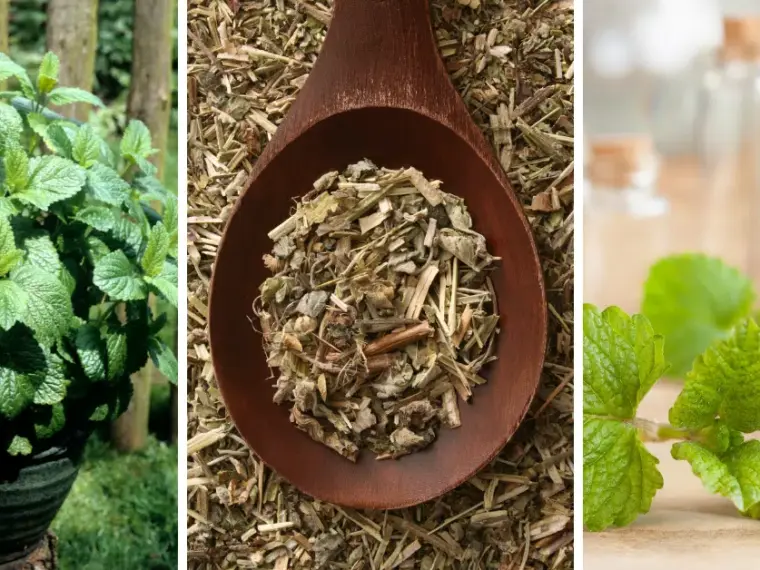
Lemon balm is a leafy green herb native to Southern Europe and the Mediterranean. It features gently serrated, oval leaves that release a strong lemon scent when crushed.
In late spring and early summer, it produces small, pale yellow or white flowers that attract bees, hence the name “Melissa,” which means honeybee in Greek.
This resilient, fast-growing perennial thrives in a variety of climates and is well-known for its calming properties, culinary versatility, and beneficial effects on soil and neighboring plants.
1. Lemon Balm Is Exceptionally Easy to Grow
One of the top reasons to grow lemon balm is how beginner-friendly it is. Even if you’re new to gardening, lemon balm grows effortlessly with minimal attention.
Growing Conditions:
- Sunlight: Full sun to partial shade
- Soil: Well-drained, fertile soil (but tolerant of poor soils)
- Water: Moderate; drought-tolerant once established
- Zones: Hardy in USDA zones 4–9
Lemon balm self-seeds readily and can be grown in containers, raised beds, or directly in the ground. It’s a prolific grower and can spread quickly, so planting it in a pot or raised border can help control its spread if needed.
2. It Has Powerful Medicinal Properties
Lemon balm has been used for centuries in traditional medicine to soothe a wide range of health issues. Modern research supports many of its historic uses.
Medicinal Benefits:
- Relieves stress and anxiety: Lemon balm contains compounds that have mild sedative effects. Studies show it can reduce cortisol levels and improve mood.
- Improves sleep: Used as a natural sleep aid, especially when brewed as tea or combined with valerian.
- Eases digestive discomfort: Helps relieve bloating, cramping, and indigestion.
- Supports cognitive function: Preliminary research suggests lemon balm may enhance memory and concentration.
- Natural antiviral and antibacterial properties: Particularly effective against herpes simplex virus and cold sores.
Drinking lemon balm tea, applying it as a topical salve, or using tinctures are all common methods for accessing its healing benefits.
3. It’s a Fantastic Stress-Reducing Herb
If you’re looking for a natural way to relax after a stressful day, lemon balm should be your go-to garden herb.
Its calming effect on the nervous system makes it ideal for use in teas, tinctures, or even herbal baths.
A warm cup of lemon balm tea can help:
- Lower anxiety
- Calm racing thoughts
- Reduce nervous tension
- Promote restful sleep
Many herbalists recommend lemon balm for anyone experiencing burnout, mild depression, or anxiety-related insomnia.
4. Lemon Balm Attracts Pollinators
If you want to create a biodiverse, pollinator-friendly garden, lemon balm is an excellent plant to include.
Its nectar-rich flowers are particularly attractive to bees, butterflies, and other beneficial insects.
- Blooms: Late spring to early summer
- Pollinator value: High; provides both nectar and habitat
- Companion planting benefit: Attracts helpful insects that control pests
By planting lemon balm near your vegetable or fruit crops, you can help improve pollination rates and garden yields naturally.
5. It’s Incredibly Versatile in the Kitchen
Lemon balm’s refreshing lemon-mint flavor makes it a wonderful culinary herb. Unlike lemon zest or juice, lemon balm offers a subtle citrus note without the acidity, making it perfect for sweet and savory dishes alike.
Culinary Uses:
- Teas and iced beverages: Add leaves to boiling water or cold infusions
- Herbal butters or salad dressings
- Marinades for poultry, fish, or vegetables
- Chopped fresh in fruit salads, sorbets, and baked goods
- Infused in oils, vinegars, or syrups
Its flavor pairs especially well with mint, basil, thyme, honey, and citrus fruits.
6. Lemon Balm Is a Natural Pest Repellent
While it attracts beneficial insects, lemon balm also works as a natural repellent against unwanted garden pests. Its strong lemony scent deters mosquitoes, gnats, and even some aphids and ants.
How to Use Lemon Balm to Repel Pests:
- Rub crushed leaves directly on your skin as a quick insect repellent.
- Dry the leaves and place sachets around your patio or garden seating areas.
- Plant it near entrances or windows to keep mosquitoes at bay.
This makes lemon balm a fantastic addition to seating areas, outdoor kitchens, or around picnic spots.
7. It’s Great for Companion Planting
Lemon balm doesn’t just benefit humans – it helps other plants in your garden too. As a companion plant, it can deter harmful pests and improve growth conditions for its neighbors.
Ideal companion plants include:
- Tomatoes
- Cabbage
- Broccoli
- Squash
- Fruit trees
Its ability to mask the scent of vulnerable crops can confuse pests like cabbage moths or whiteflies. Plus, the boost in pollinator activity benefits flowering vegetables and fruits alike.
8. You Can Use It in DIY Beauty and Skincare
Lemon balm has gentle astringent and antibacterial properties that make it a useful ingredient in natural skincare products. It soothes irritation, reduces redness, and can be used for acne-prone or sensitive skin.
DIY Beauty Uses:
- Lemon balm toner: Steep leaves in witch hazel or rose water
- Herbal face steam: Combine with chamomile and lavender
- Bath soaks: Add fresh or dried leaves to a warm bath
- Salves or balms: Great for soothing insect bites, sunburns, or cold sores
These homemade remedies are perfect for reducing your exposure to synthetic ingredients while enjoying the therapeutic effects of the herb.
9. It Stores Well for Year-Round Use
One of the greatest perks of growing lemon balm is how easy it is to preserve. Whether you want to keep it for tea, cooking, or herbal remedies, lemon balm holds up well when dried, frozen, or infused.
How to Preserve Lemon Balm:
- Drying: Hang in small bundles in a cool, dry place. Crumble into airtight containers.
- Freezing: Chop and freeze in ice cube trays with water or oil.
- Tinctures: Preserve the medicinal compounds in alcohol for year-round remedies.
- Infused oils and vinegars: Capture flavor and therapeutic qualities for later use.
Stored properly, dried lemon balm retains its flavor and medicinal properties for up to a year.
10. It Adds Beauty and Fragrance to Your Garden
Beyond all its practical benefits, lemon balm is simply a lovely plant to grow. Its soft green foliage adds texture to borders and herb gardens, and the delicate white or pale yellow flowers bring a subtle charm.
- Fragrance: The lemony scent is calming and uplifting.
- Aesthetic appeal: Works well in cottage gardens, medicinal herb beds, or mixed borders.
- Sensory gardens: Lemon balm is a must-have in any garden designed for relaxation or aromatherapy.
Even just brushing against the leaves releases its soothing aroma, making it ideal for walkways, patios, and raised garden beds.
How to Grow Lemon Balm Successfully
Planting:
- Start from seed indoors in early spring or sow directly in the garden after frost.
- Space plants 12 to 18 inches apart.
- Choose a location with good airflow to reduce mildew risk.
Watering and Feeding:
- Water when the top inch of soil is dry.
- Feed with compost or a balanced organic fertilizer once or twice during the growing season.
Harvesting:
- Begin harvesting once the plant is 6 to 8 inches tall.
- Cut stems above a pair of leaves to encourage bushier growth.
- Best flavor is achieved before the plant flowers.
Pruning and Maintenance:
- Trim back regularly to prevent flowering and encourage fresh leaf growth.
- Cut back heavily at the end of the growing season to prepare for winter.
Lemon balm is a true multi-purpose herb. It soothes the mind, heals the body, supports other plants, nourishes pollinators, and elevates your cooking – all from a plant that’s almost effortless to grow.
Whether you’re cultivating a medicinal herb garden, building a pollinator paradise, or just looking for a fragrant and functional addition to your landscape, lemon balm is one of the best herbs you can grow.