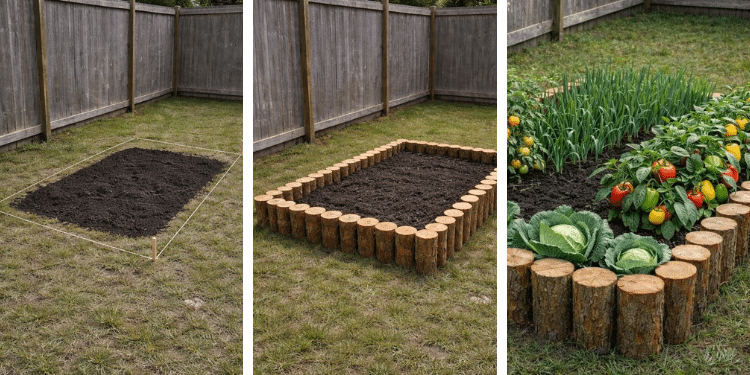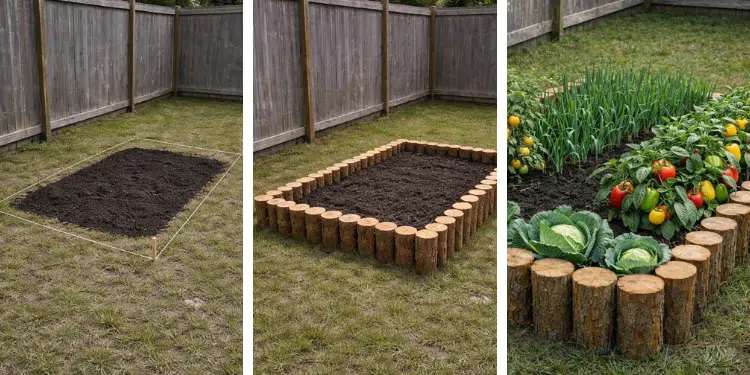
Building a garden bed seems simple: pick a spot, add soil, plant your crops. But many gardeners discover the hard way that how you build your garden bed determines how your plants perform for years.
Poor bed design leads to drainage problems, weak root systems, nutrient loss, weed invasion, and disappointing harvests – no matter how good your seeds or fertilizer are.
The good news is that most garden bed problems are preventable – and fixable. With a few structural corrections, even struggling beds can be turned into highly productive growing spaces.
Why Garden Bed Design Matters More Than Most Gardeners Think
A garden bed is not just a container for soil – it’s a living root environment. Bed structure affects:
- Drainage
- Root depth
- Oxygen availability
- Soil temperature
- Microbial life
- Nutrient retention
- Water efficiency
If the structure is wrong, plants struggle even with perfect care. If the structure is right, plants thrive with less effort.
Mistake #1: Choosing the Wrong Location
One of the most damaging mistakes happens before the bed is even built: placing it in the wrong spot.
Common location problems include:
- Too much shade
- Poor drainage zones
- Low spots where water collects
- Areas exposed to constant wind
- Too far from a water source
Vegetables and most flowers need 6–8 hours of direct sun. Without it, yields drop dramatically.
Fix
Observe the area for a full day. Track sunlight. Choose the sunniest, best-draining location available. If necessary, relocate the bed before investing in soil and materials.
Mistake #2: Building Beds Too Wide
Extra-wide beds look efficient but create a hidden problem: soil compaction from reaching and stepping.
When you can’t reach the center without stepping into the bed, roots suffer from compressed soil and reduced oxygen.
Fix
Limit bed width to: 3–4 feet (90–120 cm) maximum
This allows access from both sides without stepping into growing space.
Mistake #3: Ignoring Drainage at the Base
Many beds are built directly over compacted ground, clay, or turf without loosening the base layer. Water then sits above this barrier, causing root rot and stunted growth.
Fix
Before filling the bed:
- Loosen native soil 8–12 inches deep
- Break up clay layers
- Remove large roots
- Add coarse organic matter if needed
Raised beds still need a permeable base.
Mistake #4: Using the Wrong Soil Mix
Filling beds with straight topsoil or garden dirt is a major error. These soils compact, drain poorly, and lack structure.
Healthy bed soil needs balance.
Fix
Use a structured mix such as:
- 40% compost
- 40% quality topsoil
- 20% aeration material (coarse sand, perlite, or fine bark)
This creates drainage + nutrition + root oxygen.
Mistake #5: Making Beds Too Shallow
Shallow beds dry out quickly and restrict root development. Many vegetables need deeper soil than beginners expect.
Shallow beds lead to:
- Weak roots
- Water stress
- Nutrient instability
- Smaller plants
Fix
Minimum recommended depths:
- Leafy greens: 8–10 inches
- Most vegetables: 12–18 inches
- Root crops: 18+ inches
Deeper is almost always better.
Mistake #6: Using Treated or Toxic Materials
Some building materials can leach harmful chemicals into soil, especially older treated lumber or unknown scrap materials.
Risk materials include:
- Old railroad ties
- Unknown treated wood
- Painted construction scraps
- Contaminated pallets
Fix
Use safer materials:
- Untreated cedar or redwood
- Modern food-safe treated lumber
- Bricks or blocks
- Natural stone
- Metal raised bed kits
Always verify material safety.
Mistake #7: Forgetting Pathway Planning
Beds are often built first, with paths considered later. This leads to awkward access, muddy walkways, and compacted growing zones.
Fix
Design paths at the same time as beds:
- Minimum path width: 18–24 inches
- Main paths: 24–36 inches
- Add mulch, gravel, or stepping stones
Good access improves maintenance and harvest efficiency.
Mistake #8: No Weed Barrier Strategy
Building a bed over grass without preparation leads to weed invasion from below. Some grasses push through even thick soil layers.
Fix
Before filling beds:
Best options:
- Remove turf completely
- Sheet mulch with cardboard layers
- Add compost above barrier
- Use deep mulch systems
Avoid plastic weed fabric inside vegetable beds – it blocks soil life.
Mistake #9: Overcomplicating Irrigation
Complex irrigation systems are often installed too early and incorrectly. Poor layout leads to uneven watering and dry zones.
Fix
Start simple:
- Soaker hoses
- Drip lines
- Gravity-fed systems
- Hand watering with deep soak method
Upgrade only after observing real watering patterns.
Mistake #10: Building Without Future Expansion in Mind
Many gardeners build beds tightly packed together, leaving no room for crop rotation, trellises, or expansion.
This limits:
- Crop diversity
- Rotation planning
- Access improvements
- Vertical growing
Fix
Leave expansion space. Plan for:
- Trellis zones
- Compost access
- Future beds
- Tool movement
A flexible layout outperforms a crowded one.
Bonus Mistake: Not Testing Soil After Filling
Even good-looking soil can be unbalanced in nutrients or pH.
Fix
Test soil after bed setup. Adjust with:
- Compost
- Minerals
- Lime or sulfur (if needed)
- Organic amendments
Healthy soil chemistry multiplies results.
Signs Your Garden Bed Was Built Incorrectly
Watch for:
- Standing water
- Yellowing plants
- Weak root systems
- Stunted growth
- Rapid drying
- Soil crusting
- Heavy weed pressure
These often trace back to bed structure, not fertilizer.
Quick Garden Bed Success Checklist
Before planting, confirm:
- Full sun location
- Proper width
- Deep soil
- Loose base
- Quality soil mix
- Safe materials
- Planned paths
- Weed barrier layer
- Simple irrigation
- Expansion room
If these are right, plants usually are too.
Most disappointing gardens aren’t caused by bad seeds or poor watering – they’re caused by bed building mistakes made at the beginning. The foundation matters.