Winter can be a challenging season, with its biting cold and snowy landscapes. While it brings the joy of holidays and cozy evenings by the fire, it also necessitates creative solutions to everyday problems. Fortunately, there are several unconventional hacks that can make winter more bearable and even enjoyable.
These bizarre yet effective winter hacks are not only easy to implement but also cost-effective. From protecting your plants and home to ensuring your safety on icy paths, these tips will help you navigate the season with ease. Whether you’re looking for ways to insulate your home or keep your car ice-free, these unexpected tricks are sure to come in handy.
1. Insulate Shrubs with Old Blankets
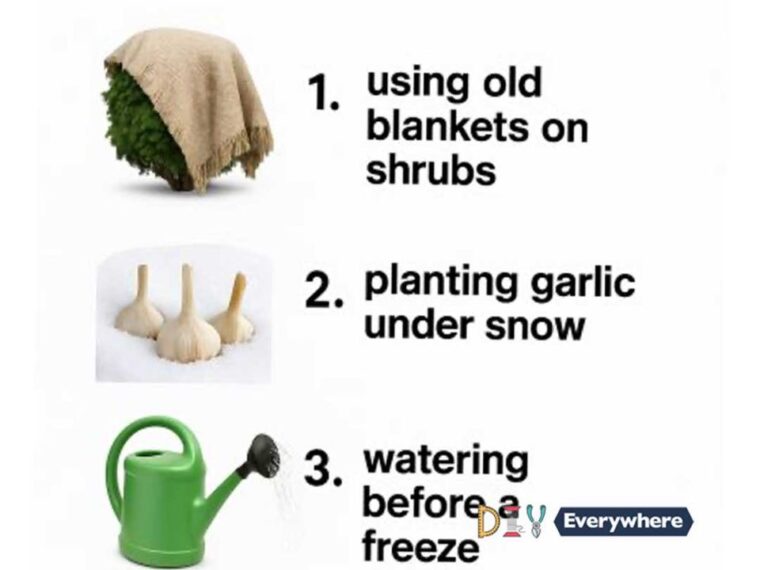
During harsh winter weather, your garden shrubs can suffer from frost damage. A simple solution is to use old blankets to insulate them. Wrap the blankets around the shrubs, ensuring they cover the plant from top to bottom. Secure the blankets with twine or bungee cords to prevent them from blowing away in the wind. This method works best for smaller shrubs that are less than 4 feet tall. The blankets act as a barrier against the cold, preventing frost from settling directly on the leaves and branches.
2. Plant Garlic Under Snow for a Spring Harvest
Planting garlic in the winter may sound counterintuitive, but it’s actually an effective method. Garlic cloves can be planted in late fall or early winter, even when there’s snow on the ground. Simply clear away the snow and plant the cloves about 2 inches deep in the soil, with 4 to 6 inches between each clove. Cover them back with soil and snow. The cold weather helps garlic bulbs develop robust root systems, and by spring, you’ll have a thriving garlic crop ready for harvest.
3. Water Your Plants Before a Freeze
Watering plants before a freeze may seem unusual, but it’s a proven technique to protect them from frost. Moist soil retains heat better than dry soil, creating a warmer environment for the roots. Water your plants thoroughly in the afternoon, when the temperature is above freezing, to allow the water to penetrate the soil. Avoid watering late in the day, as water freezing on the leaves can cause damage. By hydrating your plants, you provide them with a better chance of surviving cold snaps.
4. Transform Milk Jugs into Mini Greenhouses
Repurpose old milk jugs into mini greenhouses to protect your young plants from frost. Cut the bottom off a clean, empty milk jug, and place it over individual plants. Remove the cap to allow for ventilation. The jug traps heat and moisture, creating a microclimate that shields plants from the cold. This method is especially useful for seedlings and young plants that are more susceptible to frost damage. Be sure to remove the jugs during the day if temperatures rise above freezing to prevent overheating.
5. Use Bubble Wrap to Insulate Windows
Bubble wrap isn’t just for packing; it’s also a great insulator for windows. Cut sheets of bubble wrap to fit the size of your window panes, and spray a light mist of water onto the glass. Press the bubble wrap against the window, with the bubbles facing the glass. The water helps it stick, creating an insulating layer that reduces heat loss. This hack is particularly effective for single-pane windows, helping to keep your home warmer while saving on heating costs.
6. Keep Warm with DIY Hand Warmers
Create your own hand warmers using simple household items. Fill a small fabric pouch or sock with uncooked rice, and seal it tightly. Heat the pouch in the microwave for 30 seconds to 1 minute, and you’ll have a portable hand warmer that stays warm for up to an hour. You can also add a few drops of essential oil for a pleasant scent. These DIY hand warmers are perfect for keeping your hands toasty during outdoor activities or chilly commutes.
7. Prevent Frosty Windshields with Vinegar Solution
A vinegar solution can be a lifesaver for those frosty mornings. Mix three parts vinegar with one part water in a spray bottle. Spray the solution onto your car’s windshield and windows the night before a freeze. The acidity of the vinegar lowers the freezing point of water, making it harder for frost to form. This hack can save you time and effort in the morning, as you’ll find your windshield clear and ready to go.
8. Create Traction with Cat Litter or Sand
Slippery sidewalks and driveways can be hazardous in winter. To create traction, sprinkle cat litter or sand on icy surfaces. Both materials provide grip, reducing the risk of slips and falls. Keep a bag of cat litter or sand in your car trunk as well, in case you need to get your vehicle moving on a slick surface. Avoid using clumping cat litter, as it can become mushy when wet. Opt for non-clumping varieties or sand for the best results.
9. Use Aluminum Foil to Reflect Heat
Aluminum foil can be used to reflect heat back into your home, improving energy efficiency. Place sheets of aluminum foil behind radiators or space heaters, with the shiny side facing the room. This simple trick helps direct more heat into the living space rather than letting it be absorbed by the wall. It’s an easy and cost-effective way to make your heating system more efficient, keeping your home warmer during the cold months.
10. Stop Drafts with Pool Noodles
Drafty doors and windows can significantly increase heating costs. To block drafts, repurpose pool noodles as draft stoppers. Cut a pool noodle to the width of your door, then slice it lengthwise. Slip it under the door with the cut side facing up, and it will act as an effective barrier against cold air. For windows, cut the noodle to size and place it along the sill. This hack is a simple and inexpensive way to keep your home cozy and draft-free.
11. Make Homemade De-Icer with Rubbing Alcohol
Create a homemade de-icer using rubbing alcohol, which has a lower freezing point than water. Mix two parts rubbing alcohol with one part water in a spray bottle, and add a few drops of dish soap. Spray the solution on icy windshields and car doors to melt the ice quickly. This de-icer is effective and easy to make, providing a quick solution for frosty winter mornings without the need for harsh chemicals.